
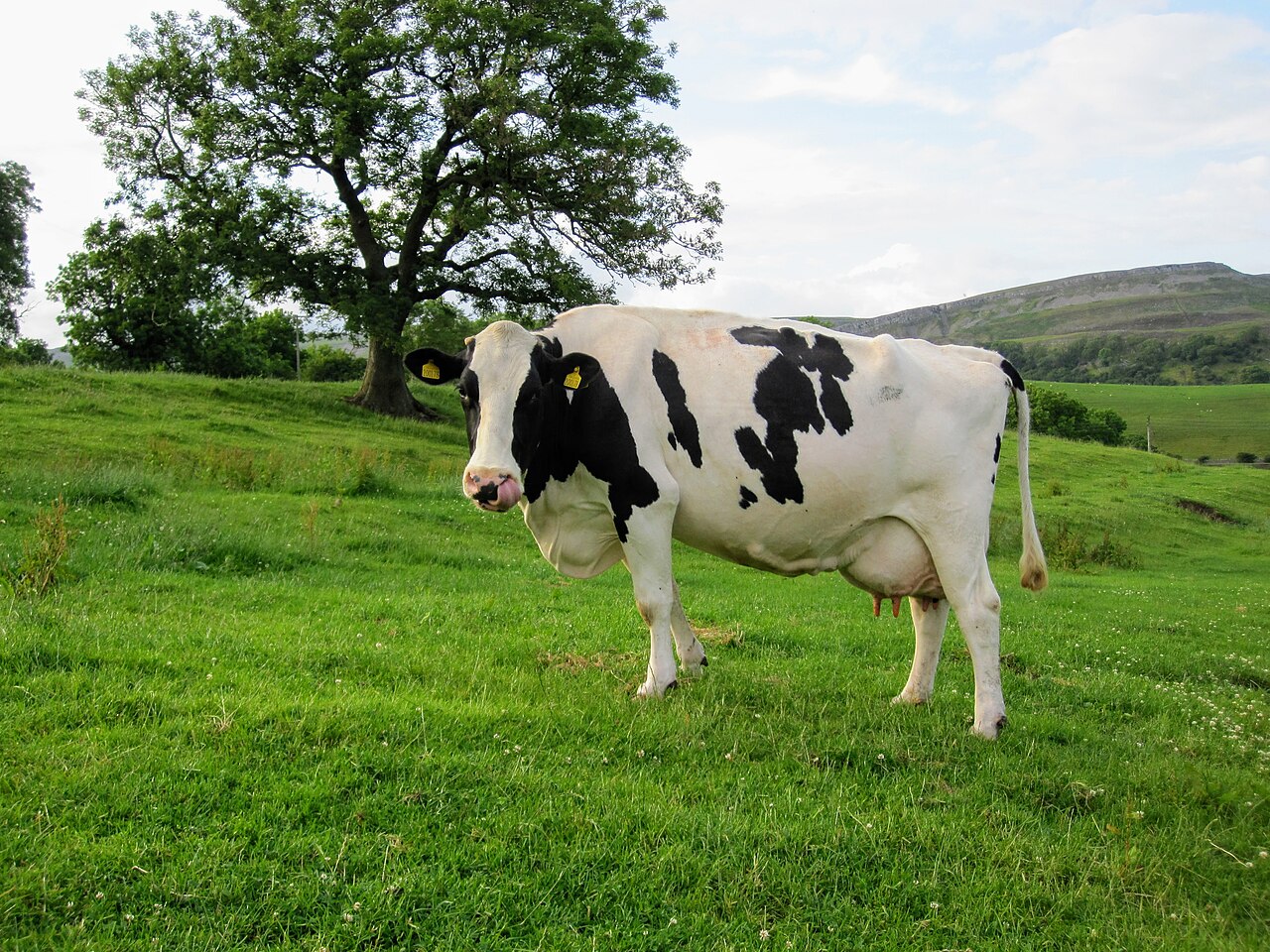
For Dorset dairy farmer Nick Tuke, the only sign that something was wrong in his 171-cow pedigree Holstein herd in 2023 was a "major blip" in fertility: some cows returned to service at 30-35 days instead of the usual 21, opening a gap of almost four weeks in the middle of his block-calving pattern.
The cows looked healthy, held condition, showed heats well and milk yield was not noticeably affected. But conception rates fell into the 20s, from an average of 35%, and first-service conception in maiden heifers dropped from about 60% to 35-40%.
Because the herd had been vaccinated for years against bovine viral diarrhoea, leptospirosis, rotavirus and ringworm, the cause was a puzzle until his vet, Gemma Loader of Kingston Veterinary Group, blood-tested affected cows. They returned high titres for Q fever, a bacterial infection caused by Coxiella burnetii.
The effects carried into the next season. Heifers calved well into October and the calving block dragged on into December, milk output fell in the months with fewer calvings, more fertility drugs were used to secure pregnancies, and culling for all reasons rose above 30% from the usual 20-22%. Tuke vaccinated the herd.
The lesson for dairy farmers is that an unexplained change in returns to service can be the only visible clue to an infection, and is worth a blood test. No people were affected in this case; Q fever can infect humans, and Tuke's wife had been diagnosed with it in 1993, which they believe came from a tick bite.
Photo: Littledumpy34 / Wikimedia Commons (CC BY-SA 4.0)
Source: Farmers Weekly

Comments
(0)