
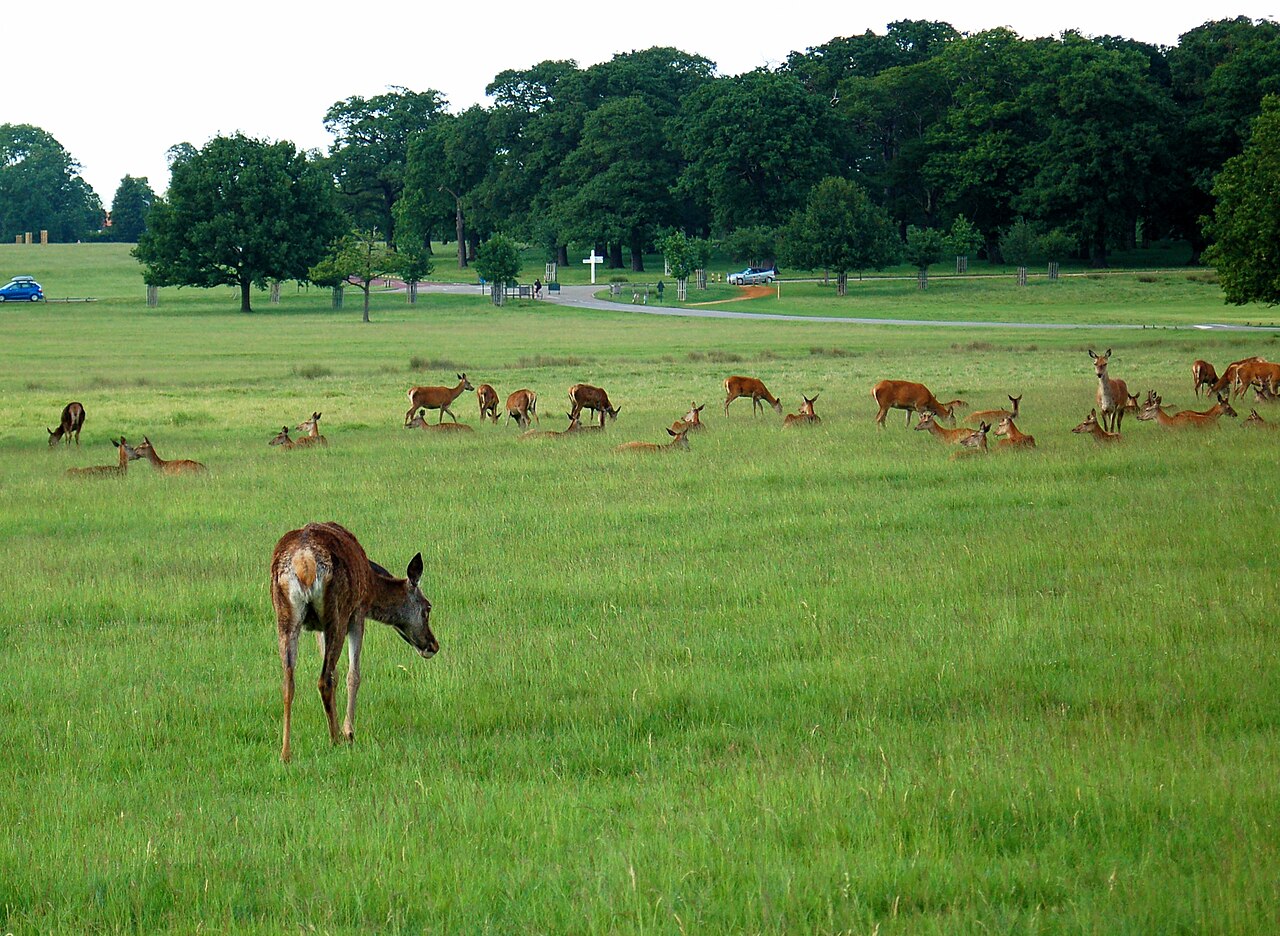
The British Cattle Veterinary Association (BCVA), which represents 1,500 farm vets, has for the first time named wild deer as an emerging bovine TB concern and is urging Defra to set up coordinated surveillance pilots by 2027.
The association wants annual reporting and risk modelling to find where deer may be spreading the disease to cattle, especially where deer are dense and mix with herds.
The risk is not thought to be widespread. Deer in Great Britain are generally considered spillover hosts that do not maintain the disease on their own, and despite an estimated two million wild deer only a few Mycobacterium bovis isolations are recorded each year. In local hotspots with dense populations and frequent contact with cattle, such as south-west England, deer can act as a reservoir. The Animal and Plant Health Agency already tests found-dead deer and badgers in designated surveillance areas.
The revised policy covers seven priorities, including vaccination, diagnostics, wildlife, cattle movements and mental health. It calls for wider use of enhanced TB tests, better veterinary training and real-time TB risk ratings for animals and holdings through the Livestock Information System due in mid-2027, and backs badger vaccination as the main wildlife tool while keeping culling under review where local evidence justifies it.
Ed Simmons, a Somerset farmer and vet who chairs the BCVA TB working group, said a licensed cattle TB vaccine is closer than ever, and that control must also address the hardship farmers and vets face. A support guide, When TB Hits, developed with the Farming Community Network and Vetlife, launches at the BCVA Congress this month.
Photo: Todd Huffman / Wikimedia Commons (CC BY 2.0)
Source: Farmers Weekly

Comments
(0)