
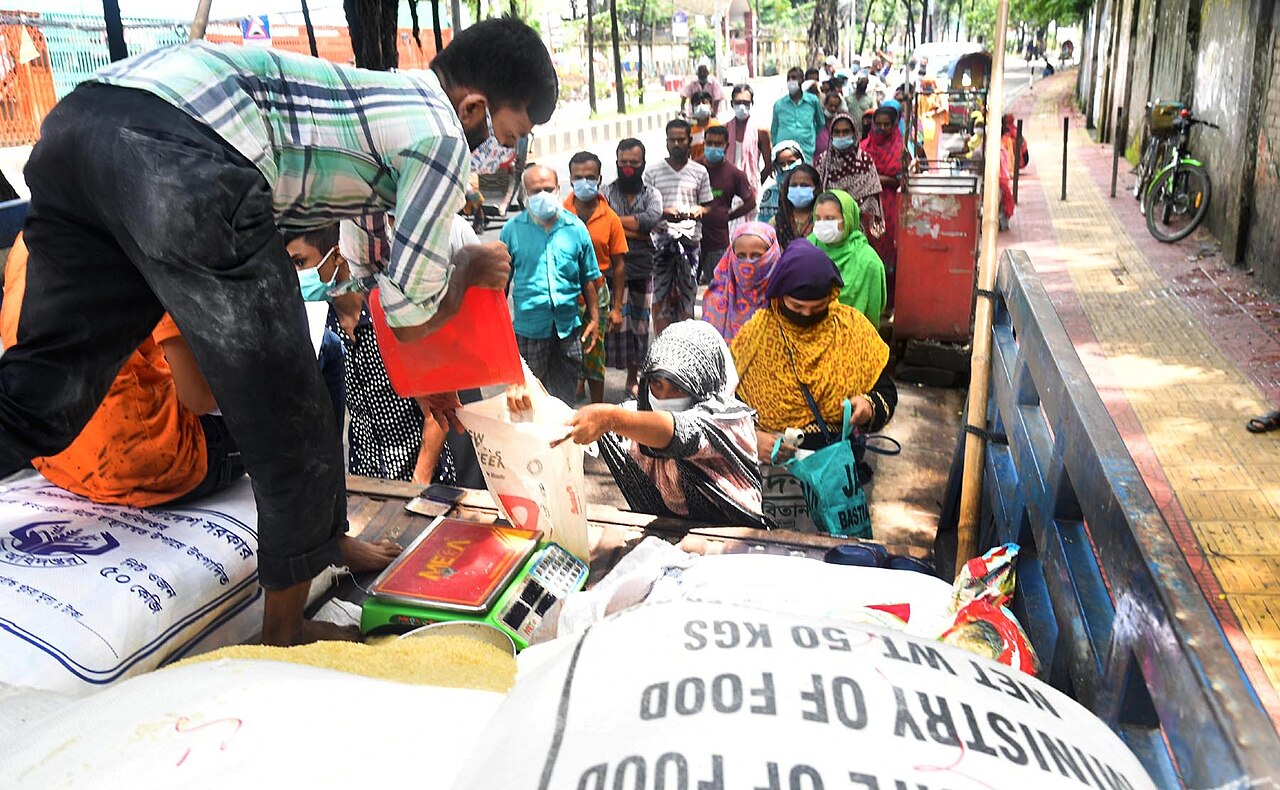
The recent rise in fuel prices has started to show in the rice market. In Dhaka's retail markets, fine and medium rice has gone up by as much as Tk 3 a kilo over the past one to one and a half weeks, according to a survey of the Mirpur-6, Kazipara, Shewrapara and Agargaon markets on Friday (9 October).
Miniket rice of the Diamond, Manjur and Sagar brands now sells at Tk 74 to 75 a kilo at retail, up from Tk 72 a week ago, and the Mozammel brand's Miniket at up to Tk 76. Nazirshail has risen by Tk 2 to 3 a kilo to between Tk 70 and 95 depending on quality. Medium-grade Paijam, BRRI-28 and BRRI-29 rice sells at Tk 58 to 65. Coarse rice is steadier, at Tk 50 to 55 a kilo.
Traders give two reasons: high paddy prices at the wholesale hubs, and higher truck fares and transport costs since fuel went up. Rice moves in several stages, from paddy collection to the mill, the wholesale hub and the retail shop, and the extra fare added at each stage ends up in the retail price.
"Because fuel prices went up, we have to buy rice at a higher price from the wholesale market itself. Fine rice has gone up the most," said Mozammel Hossain, a rice seller in Kazipara. Many customers are buying less once they hear the price, he said, and some are switching from Miniket to cheaper rice. He does not expect the market to settle unless transport fares and paddy prices come down.
Shahin Alam, a private-sector employee in Mirpur-6, said the sudden rise of up to Tk 3 a kilo meant cutting back on other shopping to stay within his monthly budget. Mahatab Uddin, a Kazipara resident, called for closer market monitoring.
Market analysts say that to prevent artificial shortages or opportunistic increases, paddy purchase prices, milling costs, actual transport costs and wholesale and retail prices should be monitored step by step, so that any stage where prices are rising without reason can be identified.
How much of a higher paddy price reaches the farmer, and how much is added in transport and by middlemen, is the key to reading the rice market. The report is by The Daily Observer.
Photo: Press Information Department / Wikimedia Commons (public domain); an illustrative picture of rice being sold in Dhaka
Source: The Daily Observer

Comments
(0)