
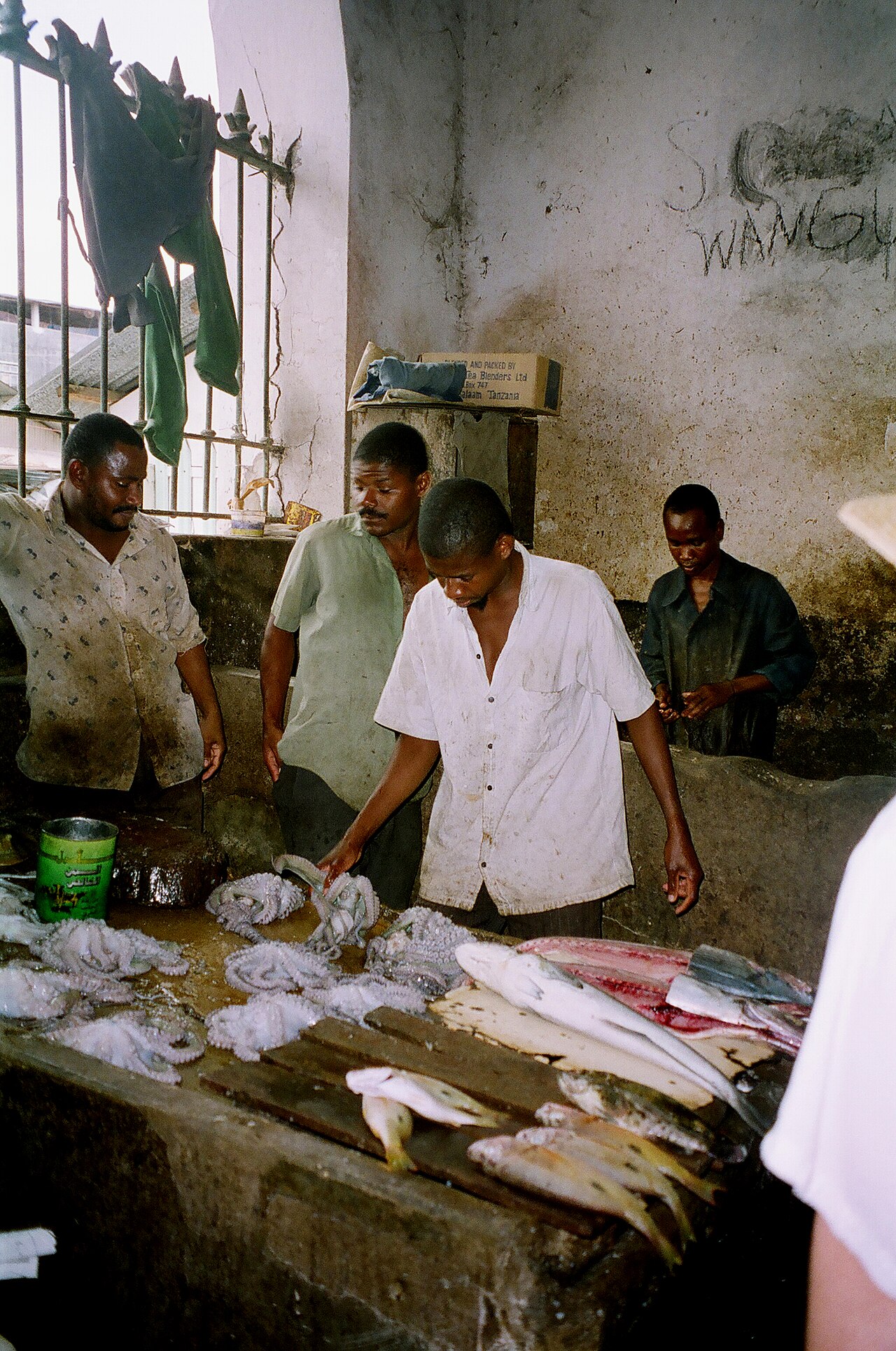
WorldFish has launched an initiative in Nigeria and Tanzania that aims to create or enable 25,000 jobs for women and young people in fisheries and aquaculture between July 2026 and June 2028.
The project, Catalyzing Sustainable Fisheries for Job Creation: Feed Innovation, Aquaculture Intensification, and Waste Valorization in Nigeria and Tanzania, is part of the Women and Youth Economic Empowerment in Fisheries Program, a partnership of the African Continental Free Trade Area (AfCFTA), TradeMark Africa and the Mastercard Foundation. The wider programme aims to create or improve jobs for about 242,000 women and young people and raise regional fish trade by US$100 million by 2028.
Feed is one of fish farmers' largest costs, especially when ingredients or finished feed are imported, so the project will develop and test lower-cost formulations from local ingredients and support women- and youth-led feed businesses. It will also strengthen hatcheries and farms, demonstrate climate-smart production, train farmers and young service providers, introduce better drying and smoking technologies, strengthen cold chains and back enterprises that turn fish waste into products. Digital tools and partnerships with financial institutions will widen access to training, markets and credit.
"Women and young people play essential roles in fisheries and aquaculture, particularly in processing, trading and distribution. But too often they remain concentrated in low-margin activities," said Dr Charles Iyangbe, WorldFish country representative for Nigeria. WorldFish puts Africa's fish market at about US$22 billion a year, and says its research covering 35 years of data from five African countries linked higher fisheries and aquaculture output with growth in GDP per capita.
The project will work in Tanzania and in Akwa Ibom, Cross River, Delta, Lagos, Ogun and Ondo states in Nigeria. Baseline assessments, partnerships and participant selection come next, after an inception workshop in Ibadan.
Photo: Karen Fasimpaur / Wikimedia Commons (CC BY-SA 3.0)
Source: WorldFish

Comments
(0)