
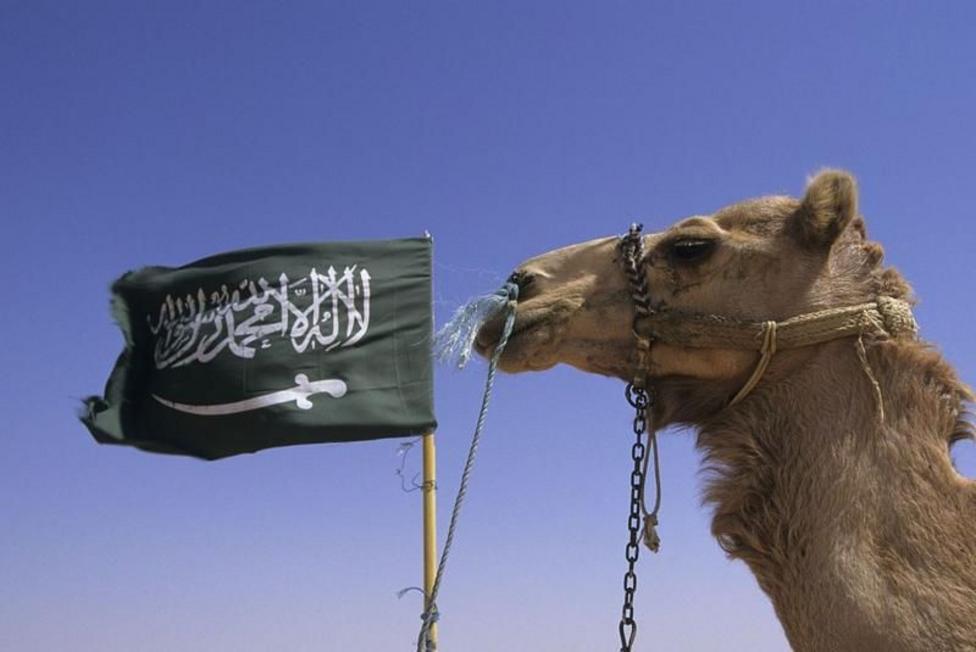
Saudi Arabia has decided to issue passports for its millions of camels. In a video posted on social media, the Ministry of Environment, Water and Agriculture showed the document: a green passport bearing the national emblem and a golden camel. Officials say the scheme will improve management of the animals, make camel husbandry more efficient and create a dependable database of identity and ownership.
The numbers are large. According to government figures for 2024, Saudi Arabia has about 2.2 million camels, contributing more than two billion riyals a year to the economy. Arab News reports around 35 million camels worldwide, 17 million of them in the Arab world; among Arab countries Somalia has the most, followed by Sudan, Mauritania, Saudi Arabia and Yemen.
For a livestock sector the value of registration is obvious. Camel beauty contests and shows put high prices on the best animals, and trade in milk, hide and hair is growing. A company called Sawani has invested in camel milk and milk powder and already exports to 25 countries; it also makes camel-milk ice cream. The Abel brand turns camel hair and hide into clothing, handmade bags and shoes; camel leather is regarded as the toughest and most durable after crocodile.
Breeds differ in what they are good for. Camel specialists say the animals of Oman and Sudan are known for racing, while those of Saudi Arabia's coastal regions are prized for high milk yields. Camels are also classified by colour, from brown to reddish. A camel can carry a load of up to 400 kilograms, which is why it is called the ship of the desert.
The animal's history in the peninsula runs deep. In the early twentieth century camels were the only means of reaching Mecca and Medina, and four hundred years ago traders known as Iqlat took camels as far as India, Turkey, Morocco and Nigeria. Rock carvings of camels found in Saudi Arabia were thought to be about 2,000 years old when excavated in 2018, but research published in the journal Archaeological Science in September 2021 dated them at seven to eight thousand years, before camels were domesticated and older than the pyramids of Giza.
Badr bin Saud, a columnist for the Riyadh newspaper and a Saudi historian, said: "Without the camel, survival in this dry and scorching desert would have been impossible." King Abdulaziz, the founder of modern Saudi Arabia, kept a herd known as Al-Ramaat; King Salman is a devotee, and Crown Prince Mohammed bin Salman owns a fine pedigree camel named Al-Sharaf.
Under Vision 2030 the camel industry is expected to become one of the kingdom's main sources of non-oil income, and an official registry is the foundation of that plan. For countries such as Bangladesh that are weighing national livestock databases of their own, the Saudi passport is a case to watch.
Source: BBC Bangla
Comments
(0)