
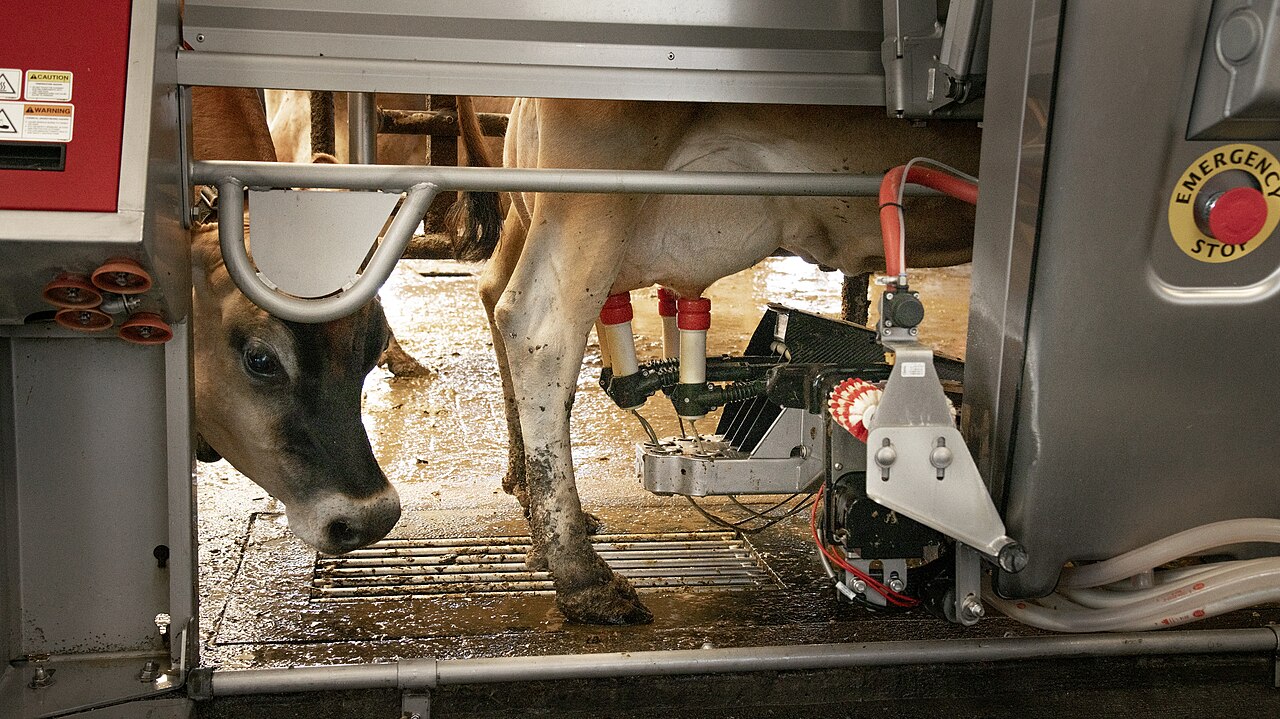
Robotic milking parlours, automated feeders, poultry house controls and swine barn ventilation have made animal farming more efficient, and also a target for criminals. "Every connected device is a digital attack surface," Andrew Rose, BioAg adviser to the Bioeconomy Information Sharing and Analysis Center (BIO-ISAC), told AgFunderNews.
Two past cases show the cost. In 2021 meatpacker JBS halted operations at 47 sites worldwide after a ransomware attack. In 2023 a dairy farmer in Switzerland lost access to his cows' health information when criminals locked his system and demanded $10,000; a calf died in the womb and the farmer also had to euthanise the cow.
BIO-ISAC's answer is a list of questions for producers to put to equipment and software suppliers. It starts with basics: can default passwords be changed, is multifactor authentication available, and are passwords shared between sites, integrators and technicians? "Shared accounts eliminate accountability," Rose said.
On data, farms should ask where records on genetics, animal health and feed formulas are stored, who owns them, whether they are sold, and whether they can be exported or deleted. On networks, many barns and feed mills run cameras, Wi-Fi and industrial controls on one flat network, so an attack on one device can bring down the whole operation. Rose advises asking whether a system can run on a separate network and how it behaves without internet access.
Machinery often stays in service for one to two decades, so buyers should ask how long a product will be supported and how updates arrive. They should also ask who is liable if a system causes animal loss or downtime, whether suppliers carry cyber insurance, and whether remote access by technicians is logged and can be switched off.
The list ends on the farm itself: what manual overrides exist if systems fail, whether feeding, watering and ventilation can continue during an outage, whether backups are tested, and whether staff can spot phishing emails and know whom to call.
Andrew Rose of BIO-ISAC spoke to AgFunderNews.
Photo: USDAgov / Wikimedia Commons (Public domain)
Source: AgFunderNews

Comments
(0)