
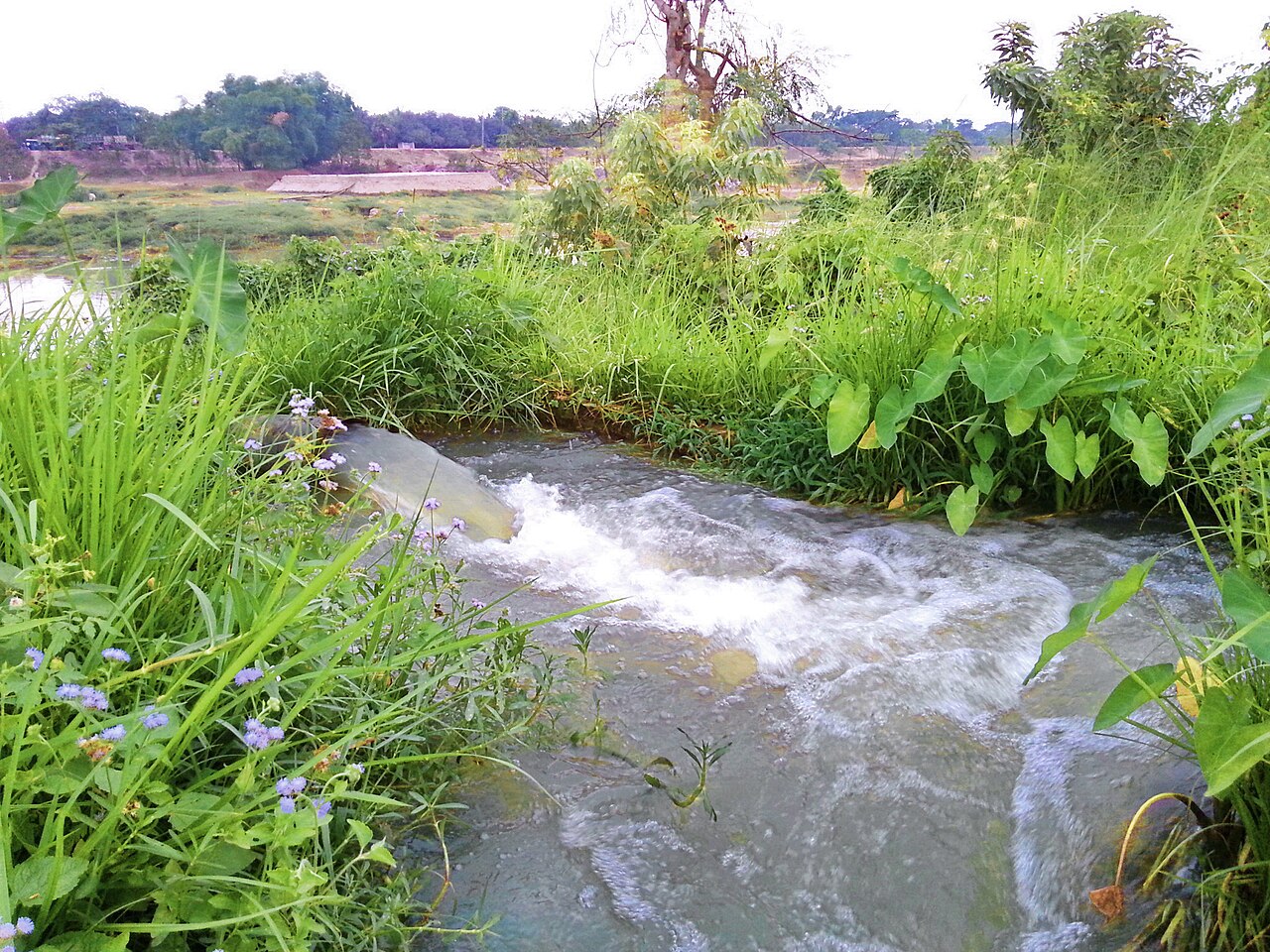
The boro crop is central to Bangladesh's agriculture and its economy: it secures the country's food, raises farm incomes and drives growth.
Why it matters
- Food security: boro provides the largest share of the country's rice.
- Rice all year: grown in winter and cut at the start of summer, it keeps the harvest continuous between aman and aus.
- Insurance against drought: because it is irrigated, boro escapes the failures rain-fed crops suffer, and better irrigation has spread it to every district.
- High yield: modern varieties give 5–8 tonnes a hectare.
- Farm incomes and export: more rice means more money for farmers and a surplus that can be sold abroad.
- Jobs: transplanting, irrigating, tending and harvesting boro employ the countryside for months.
- Resilient varieties: modern boro types stand drought, salinity and disease — a defence against a changing climate.
- Technology: pumps, high-yielding seed and pest management have made boro the most modern of the rice crops.
- Stability: with rice in store, a disaster does not become a famine.
Managed well and grown with the best varieties, boro is the crop the country can least do without.
Photo: Pump irrigation from the Gomti river, Cumilla — Mohammed Tawsif Salam / Wikimedia Commons (CC BY-SA 3.0)

Comments
(0)