
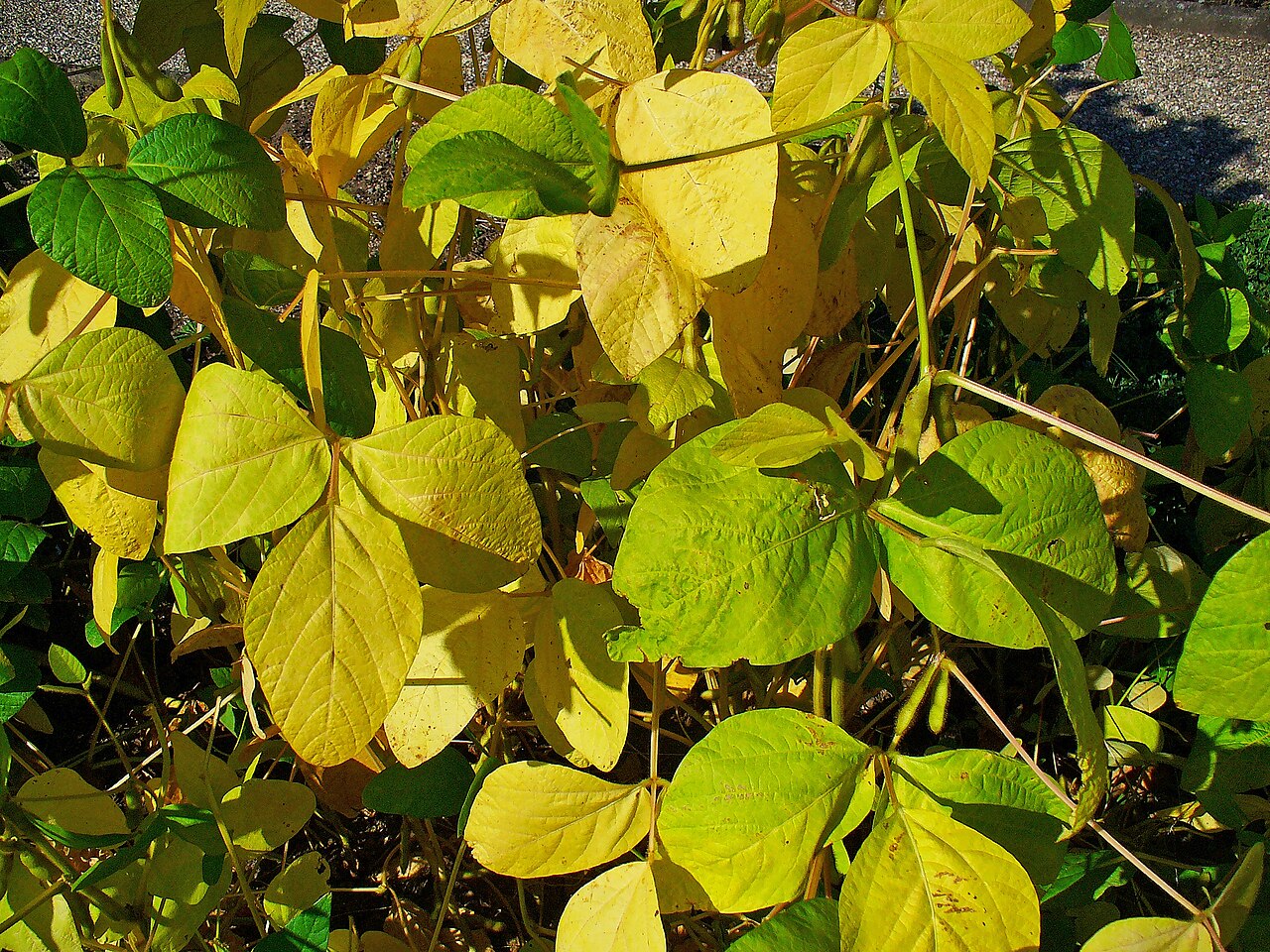
Gazipur Agricultural University (GAU) and the Japan International Research Center for Agricultural Sciences (JIRCAS) have signed a research agreement to develop disease-resistant soybean varieties and environmentally friendly disease management with need-based fungicide use. Vice-Chancellor Prof GKM Mustafizur Rahman and JIRCAS Program Director Dr Keisuke Omori signed it at the university on Wednesday.
The research will cover the spread of Asian soybean rust and Cercospora leaf blight, the traits of the pathogens, fungicide resistance and the ways farmers now manage the diseases.
Non-GM resistant varieties developed by JIRCAS and partner institutions in South America will be evaluated in Bangladesh's fields, along with their adaptation and the prospects for commercial registration. If none proves suitable, a breeding programme for new resistant varieties will follow.
The vice-chancellor said raising soybean output and cutting import dependence is now urgent to meet demand for protein. He said he expects the benefits to run from farmers' production and income to national nutrition and food security.
The agreement builds on more than a decade of collaboration. Six soybean varieties from GAU's agronomy department are now grown on about 68,000 hectares in the chars of Noakhali, Bhola and Lakshmipur and in other districts.
The project's principal investigator is Prof Md Motaher Hossain. An assessment of the economic and environmental benefits of integrated disease management will guide strategies to reduce farmers' costs and disease losses.
Photo: H. Zell / Wikimedia Commons (CC BY-SA 3.0)
Source: Amar Desh

Comments
(0)