
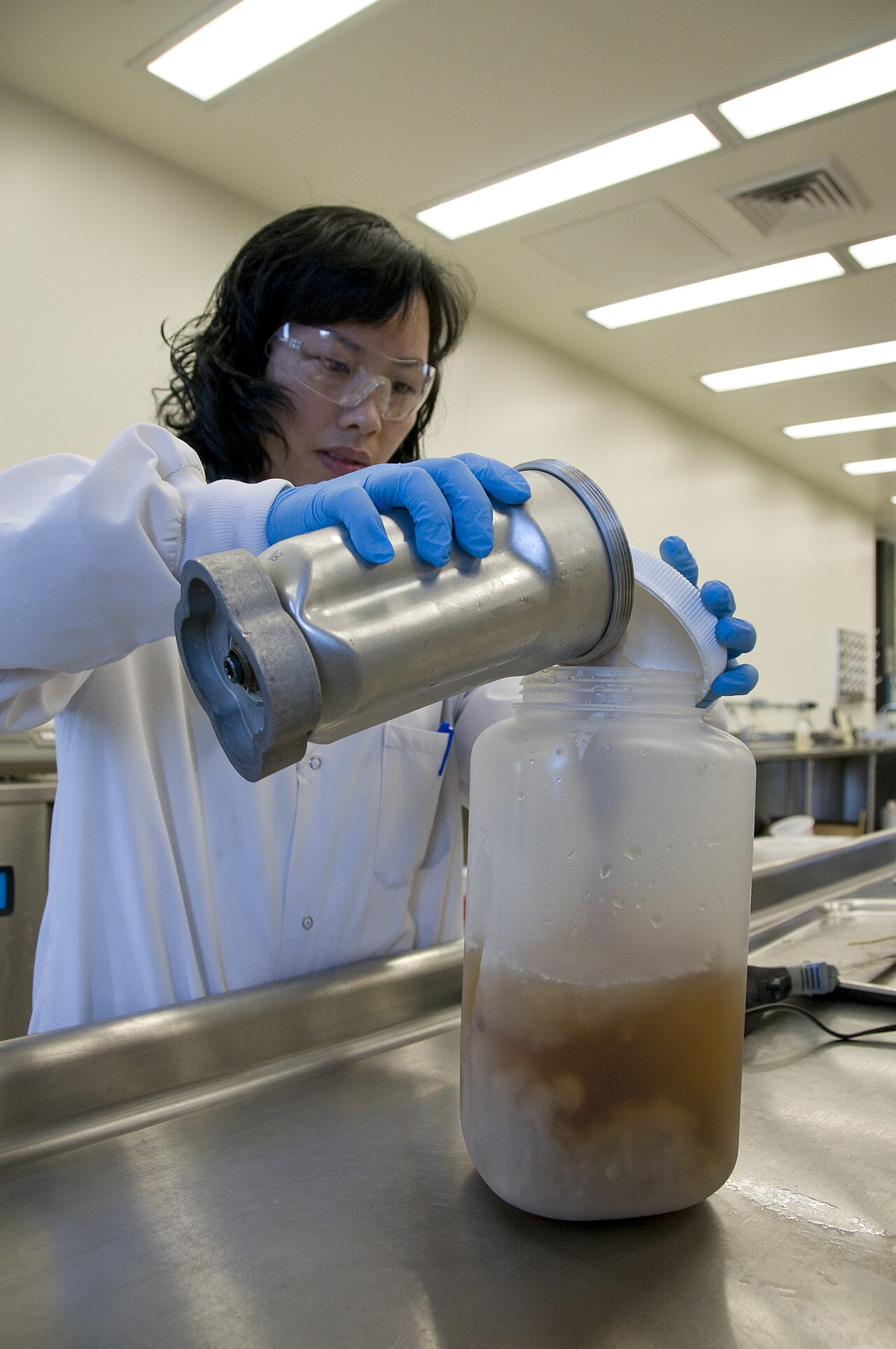
Contaminated food caused an estimated 866 million illnesses and 1.52 million deaths worldwide in 2021, according to a key findings report published by the World Health Organization (WHO) on 4 November. The report draws together WHO's 2026 global foodborne disease estimates, the first full update in more than a decade, which the agency first released in June ahead of World Food Safety Day.
Measured in disability-adjusted life years, a measure that adds years lost to early death to years lived in ill health, foodborne disease cost 57.1 million healthy years of life in 2021. WHO says the total burden has fallen since 2000 but remains large enough to rank with better-known public health threats.
Bacteria, viruses and parasites caused almost all of the illnesses, about 860 million cases. Deaths follow a different pattern: chemical hazards were responsible for 73 percent of deaths linked to contaminated food. Inorganic arsenic accounted for 42 percent of those chemical-related deaths and lead for 31 percent. Together, arsenic and lead in food were linked to more than one million deaths in a single year.
Children under five, about 9 percent of the world's population, suffered nearly a third of all foodborne illness, mostly diarrhoeal disease, and WHO calculated that they face almost three times the risk of older children and adults. The African and South-East Asian regions together accounted for nearly three-quarters of illnesses and 60 percent of deaths. WHO put the cost in lost productivity at about US$310 billion in 2021.
The estimates cover 42 infectious and chemical hazards in all 194 member states, and for the first time WHO has published figures for every country rather than only for regions. Some hazards could not be included for lack of data, among them pesticide residues, PFAS "forever chemicals" and antimicrobial-resistant bacteria, so the true burden is likely higher.
Much of the answer lies on farms. Inorganic arsenic enters food mainly through crops grown in contaminated soil or irrigated with arsenic-rich groundwater, and rice is a well-documented route because flooded paddies make arsenic more available to the plant. Lead can reach food through contaminated soil, industrial pollution, some spices and processing equipment. Many microbial causes of diarrhoea are linked to animal-source foods, fresh produce and irrigation water, which puts farm hygiene, slaughter practice and market sanitation at the centre of prevention. Cutting these exposures, the report notes, involves water and soil management, crop and variety choices, monitoring of imports and enforcement of maximum residue limits, much of it work for agriculture and trade authorities rather than health ministries.
Photo: The U.S. Food and Drug Administration / Wikimedia Commons (Public domain)
Source: Global Agriculture


Comments
(0)