
Does the world need meat? More than 240 delegates from around the world are in Geelong, Australia, this week to examine the evidence, at the third international Societal Role of Meat and Livestock summit, hosted by Marcus Oldham College on 10 and 11 November, Beef Central reports.
The meeting grew out of the Dublin Declaration, drawn up by a group of scientists, some linked to livestock production and some not, who set out to ask what the science actually says about meat, health and the environment. Australian meat scientist Dr Rod Polkinghorne, part of the original group, said at the time that the more they read, the more the evidence supported livestock in healthy landscapes and meat in healthy diets. The first summit was held in Dublin in October 2022 and the second in Denver, Colorado, in 2024; research from both has been published in dedicated journal editions.
This year's programme brings together experts in nutrition, animal science, environmental management, economics and food systems, including perspectives from developing countries. Topics include how methane from cattle is measured, the environmental effects of grazing, whether policies to cut livestock numbers account for the complexity of farm ecosystems, and beef as a dense source of protein, iron, zinc and vitamin B12 as dietary guidelines change.
The group's central message is that livestock systems should be improved through science rather than reduced or dismantled on incomplete evidence. Its members are concerned that debate and policy focus on emissions and perceived health risks without weighing the nutrition in meat, the ability of grazing animals to turn inedible vegetation into food, or the economic and social role of livestock. They do not claim that livestock is free of environmental or animal welfare problems, and recent work by scientists linked to the declaration has warned against 'carbon tunnel vision', a focus on emissions that overlooks wider effects.
Opening the conference, Marcus Oldham principal Andrew Baker said it was a chance for people of different disciplines and countries to examine the evidence on a subject surrounded by information and sometimes misinformation. "We all have a responsibility to understand the evidence, challenge the assumptions and be prepared to listen to different perspectives," he said. Belgian food scientist Frédéric Leroy opened the first session, and the keynote came from Adelaide ophthalmologist Dr James Muecke, the 2020 Australian of the Year, who argued that flaws and bias in nutrition research have shaped dietary guidelines linking red meat to chronic disease.
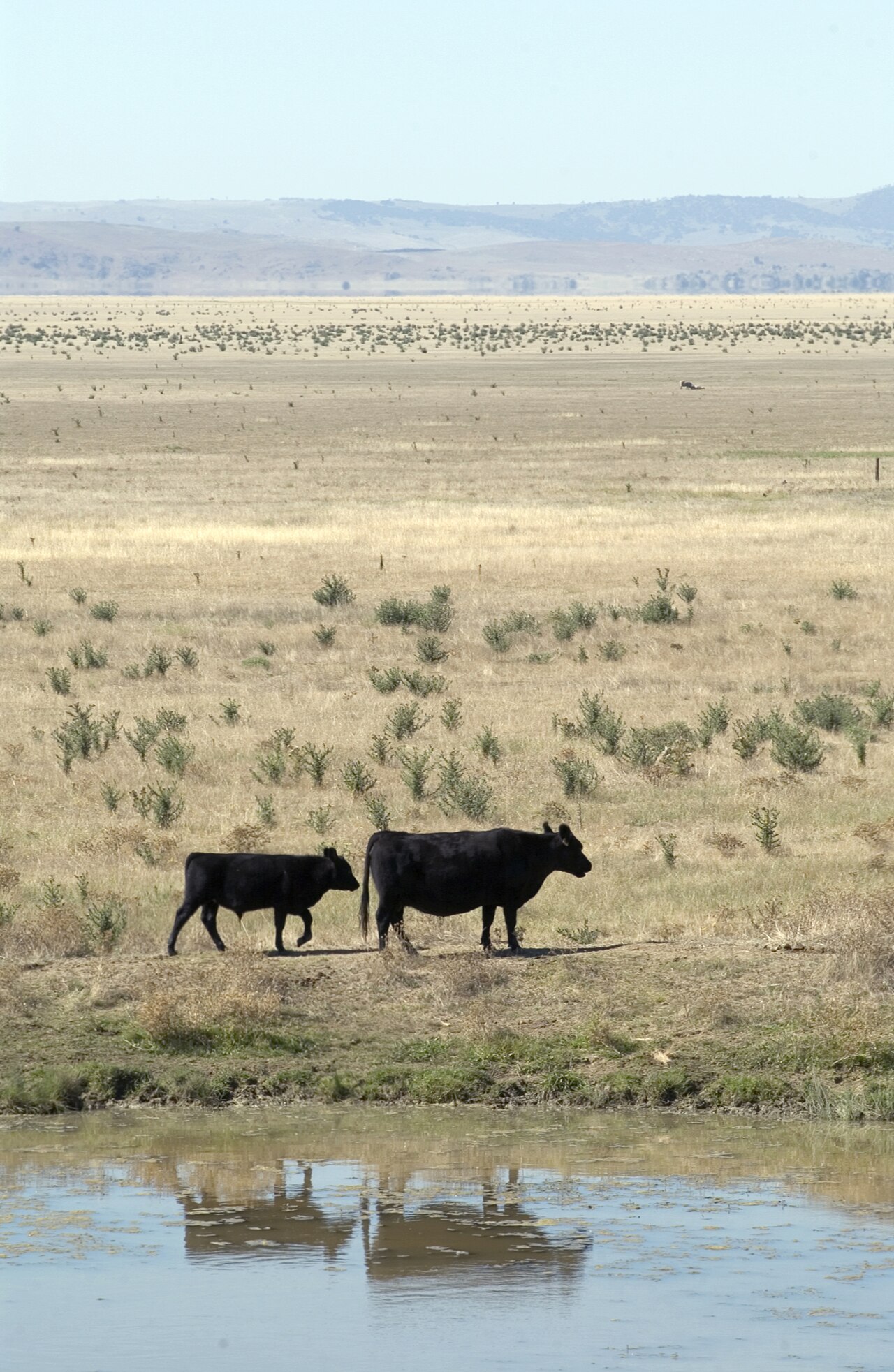
Photo: Carl Davies, CSIRO / Wikimedia Commons (CC BY 3.0)
Source: Beef Central
Comments
(0)