
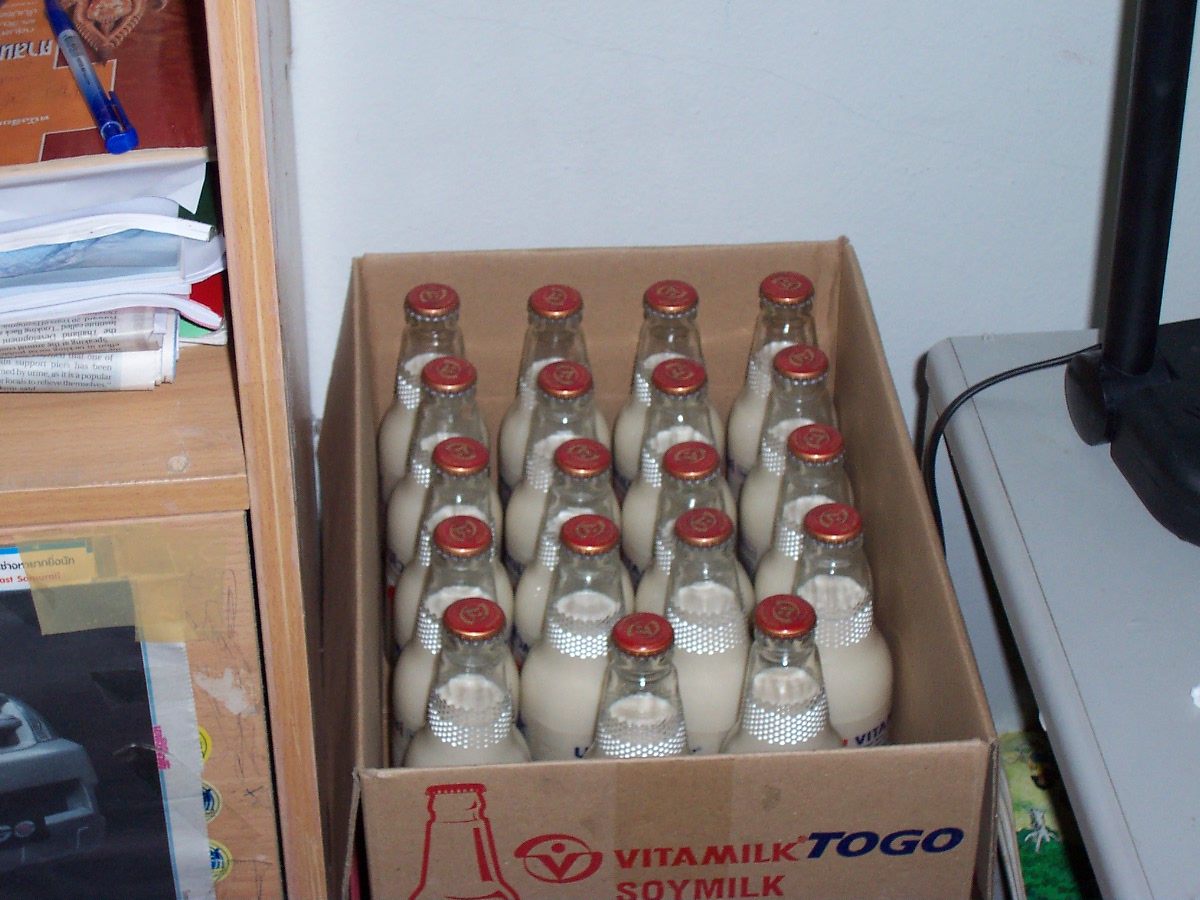
Replacing milk, yoghurt and cheese with plant-based alternatives that are not fortified can leave people short of key nutrients, a study by the University of Surrey and Queen's University Belfast has found, the first of its kind in the UK.
The team used the National Diet and Nutrition Survey, covering more than 3,500 people aged 18 months to 100 years, and modelled what happens to four micronutrients that dairy supplies: iodine, calcium, riboflavin and vitamin B12. Even modest swaps reduced all four, and iodine was the most sensitive.
Replacing just 20 to 35% of dairy with plant-based alternatives at today's fortification levels raised iodine inadequacy among adolescent girls from 54% to 65%, and among women aged 19 to 49 from 32% to 42%. With full replacement, inadequacy reached 80% in adolescent girls and 72% in adolescent boys.
Mandatory fortification of plant-based alternatives prevented the falls in micronutrient intake, but iodine remained inadequate in 59% of adolescent girls. Iodine-fortified bread brought that down to 37%, and the researchers conclude that combining mandatory fortification of the alternatives with iodised bread is the most effective strategy.
"With the rise in plant-based alternative foods, we need to know whether they are like-for-like replacements for the micronutrients that are found in dairy products," said Dr Katie Nicol, who led the work as a postgraduate researcher, adding that shifts to more sustainable diets should not compromise public health. Young children and adolescent girls, who are more likely to lack some micronutrients, are the groups of most concern.
Photo: Love Krittaya / Wikimedia Commons (Public domain)
Source: Agriland




Comments
(0)