
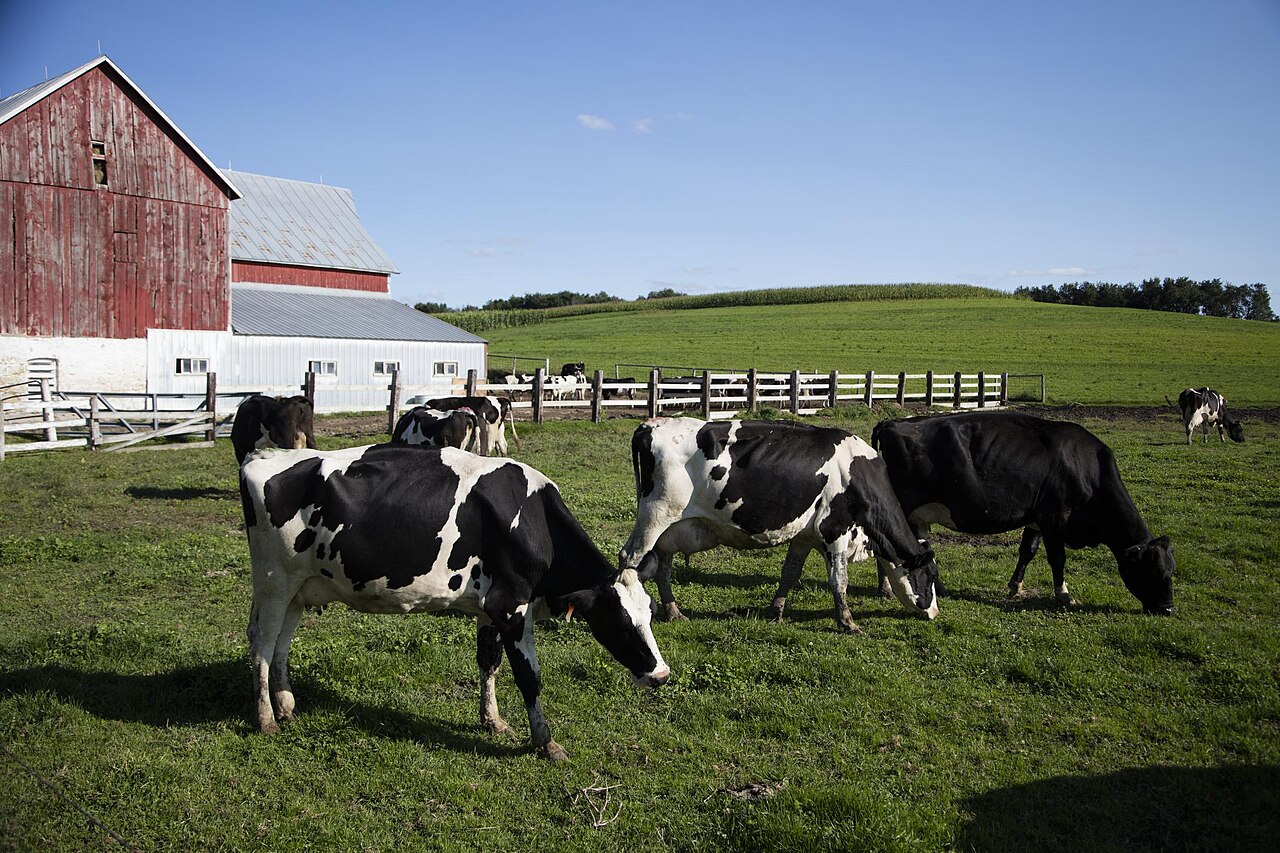
American state agriculture officials and state veterinarians have asked Agriculture Secretary Brooke Rollins to approve vaccinating dairy cattle against bird flu at once, through a voluntary pilot in states that want it. The National Association of State Departments of Agriculture and the National Assembly of State Animal Health Officials say testing milk and cattle and restricting interstate movement are not enough on their own.
"That's why we are asking USDA to approve vaccines as an additional tool to help prevent and reduce the spread of (avian influenza) in livestock," said Ted McKinney, chief executive of the state agriculture departments' association. Their letter warns that without "a proactive, coordinated eradication strategy" the disease risks becoming endemic in US dairy cattle.
Bird flu has infected 1,230 dairy herds in 22 states since the outbreak began in March 2024. Washington is the current hot spot: USDA reported three more infected herds on 5 November, bringing the state's total to 43 since the first case on 8 October. A Yakima County resident was the first US dairy worker to die of the disease, and two other county residents fell ill.
USDA has approved field trials, and researchers have reported success vaccinating dairy cattle on a small scale, but no vaccine is licensed. Cattle usually recover and gain immunity, but it is short-lived, and state veterinarians warn that delay means more spillover from dairies to poultry farms. USDA did not answer Capital Press's request for comment.
So far the damage to output is limited: milk yield drops while a cow is sick, yet US milk production in September was 7.2% higher than in September 2023, before the outbreak, and 10.2% higher in hard-hit Idaho. The officials warn that continued spread could hurt supply chains, export markets, consumer confidence and farm profits. Pennsylvania state veterinarian Alex Hamburg called avian influenza "a significant threat to animal health, our food supply and commerce". The report is by Don Jenkins.
Photo: Carol M. Highsmith / Wikimedia Commons (Public domain)
Source: Capital Press

Comments
(0)