
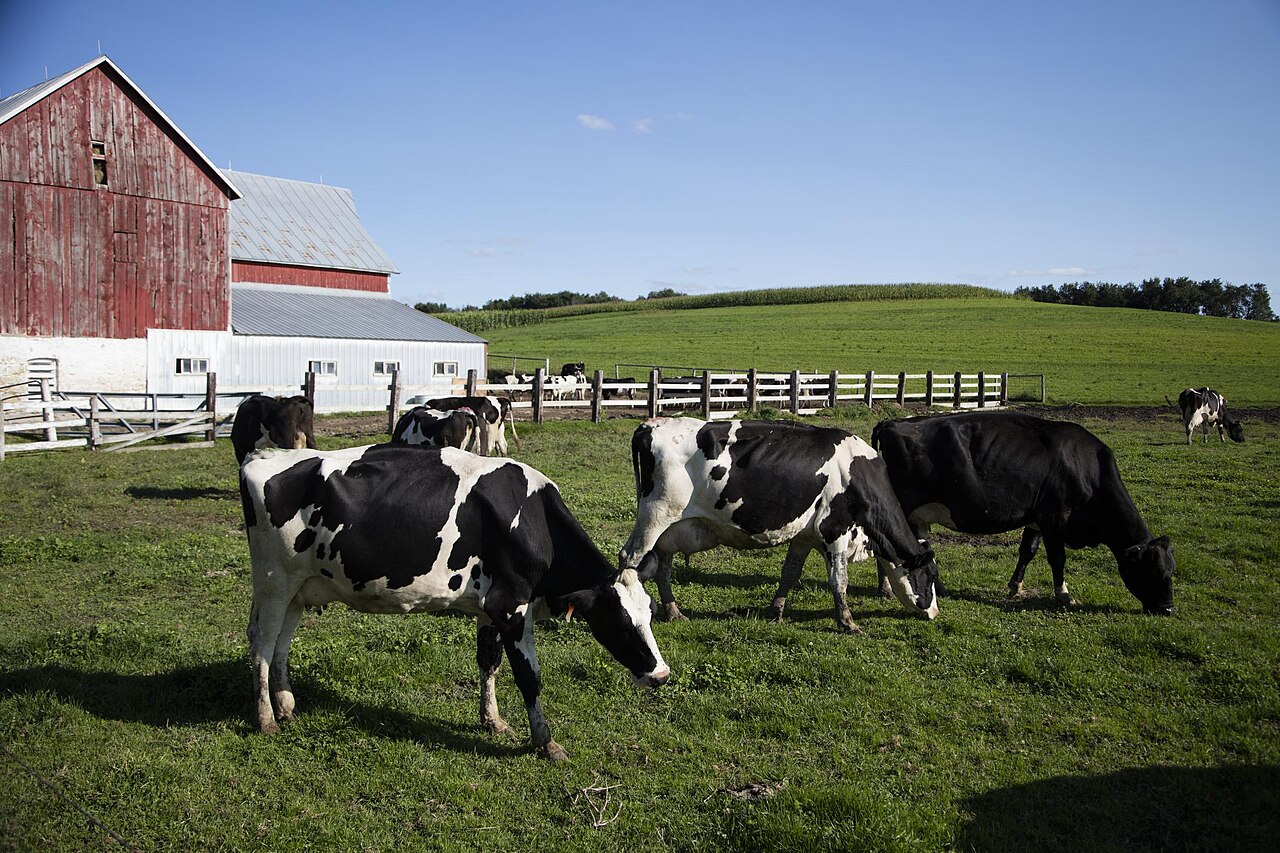
Hotter summers could nearly triple the milk Europe's dairy cows lose to heat stress by the middle of the century, according to a Rabobank study reported by Agriland. In the regions assessed, annual heat-related losses could rise from about 4.5 million tonnes under today's climate to 12.2 million tonnes around 2050 under a high-warming scenario.
The bank says climate change is shifting Europe's dairy "comfort zone". Regions that long had productive grassland and little extreme heat will face growing pressure on cow welfare, milk yield and the reliability of supply. Northern Italy, southern Germany, France and Spain face "a marked increase in potential losses", which could leave processing plants under-used and force costly adaptation that erodes competitiveness.
Atlantic and northern regions keep a relative advantage. Southern Ireland, the third-largest production base in the study at about 6.2 million tonnes a year, can expect an added loss of only 0.3% of its output. Rabobank stresses the figures are "not a forecast" but a picture of how production would fare in a warmer climate if herd size, productivity, breeds and heat management stayed as they are.
Cooling is the most effective defence, the researchers say: artificial shade, sprinklers and ventilation. Upgrades start at around EUR30,000 on average, with payback depending on each farm's output. Management, nutrition, breed choice and genetic selection for heat tolerance can also build resilience.
Because heat, drought and extreme weather hit milk volumes, processors have "a direct interest in supporting farm adaptation", the study argues, through technical help, knowledge sharing and financial incentives, using the animal-welfare and sustainability programmes they already run. The report is by Aisling O'Brien.
Photo: Carol M. Highsmith / Wikimedia Commons (Public domain)
Source: Agriland

Comments
(0)