
Strong consumer demand for animal protein helped JBS, the global beef, pork and chicken processor, to a better third quarter, Beef Central reports. The company posted a group profit of US$644 million for the quarter ended 30 September, down from $756 million a year earlier, on revenue of $22.7 billion, which was above analysts' expectations. Adjusted pre-tax earnings (IFRS) were $1.18 billion, 36% lower than last year.
North American beef, which grew revenue by 15% on strong US sales, led the gains, and the Brazilian, Australian, US pork and Seara value-added divisions also grew. Net sales of the North American beef division reached US$7.55 billion, up 4.3%. Changes in industry processing capacity, the reopening of key US-Mexico cattle border crossings, heavier cattle reaching plants sooner and strong beef demand helped margins recover from minus 2.9% in July to breakeven in August and 3.9% in September.
In Australia, where JBS runs beef, lamb, pork, smallgoods and aquaculture businesses, sales rose 13.7% to US$2.49 billion, but adjusted pre-tax profit fell 20.6% to $198 million and the margin slipped from 9.1% to 7.4%. Exports were held back as quotas in key markets, including China and South Korea, filled up, and as shipments to the US fell.
Australian livestock costs were higher too. Continued rain across key producing regions pushed up cattle and lamb prices, and lamb reached record levels during the quarter. JBS said the better pasture conditions behind those prices should support livestock supply over the longer term, and that Chinese demand strengthened early in the fourth quarter as buyers secured volumes for the 2027 quota year.
Tension in the Middle East added costs. Shareholders were told that the conflict increased uncertainty and volatility in energy and commodity markets, raising the cost of packaging, freight and alternative shipping routes during the quarter.
For cattle producers, the results point both ways: processors are paying more for stock, which helped Australian farmers this year, while tighter processing margins are a reminder that export quotas and freight costs can quickly change what a packer can afford to bid.
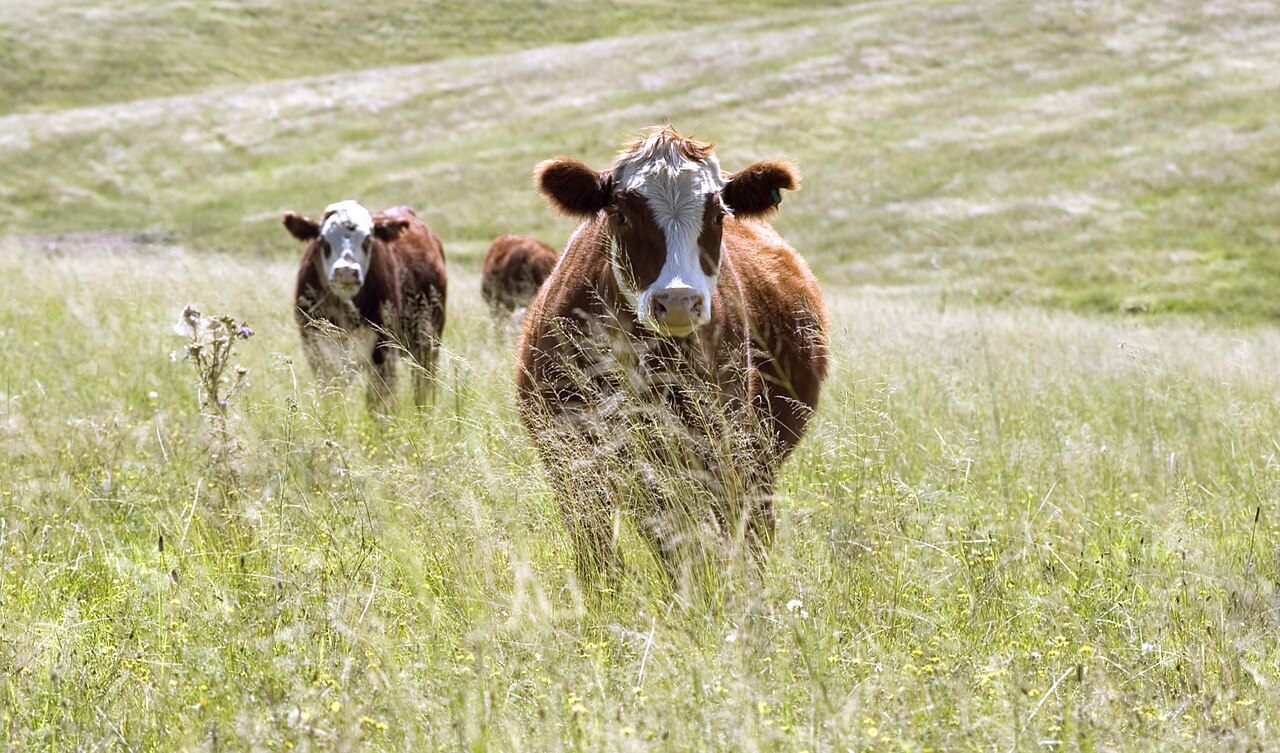
Photo: Carl Davies, CSIRO / Wikimedia Commons (CC BY 3.0)
Source: Beef Central




Comments
(0)