
The 31st UN climate conference (COP31), which opened in Antalya, Turkey, on 9 November and runs until 20 November, began with a disagreement over whether a proposal to triple adaptation finance should have its own agenda item. The issue can still be raised in other negotiations, but the early split has worried climate-vulnerable countries, Krishi Shomoy reports.
A report the International Fund for Agricultural Development (IFAD) released ahead of the conference says the world's smallholder farmers produce about a third of global food yet receive less than 1 percent of climate finance. They also carry the heaviest combined load of drought, floods, heatwaves and rising fuel and fertiliser prices.
A study published on 9 November by IFAD and Turkey's Ministry of Agriculture and Forestry, "Food Systems Under Stress: Building Resilience from the First Mile", warns that a strong El Nino could cost the global economy up to 11 trillion dollars over the next five to six years. It cites a Bangladesh example: farm households that received solar-powered irrigation, vermicompost training, credit and food-safety certification together raised their incomes by 50 percent.
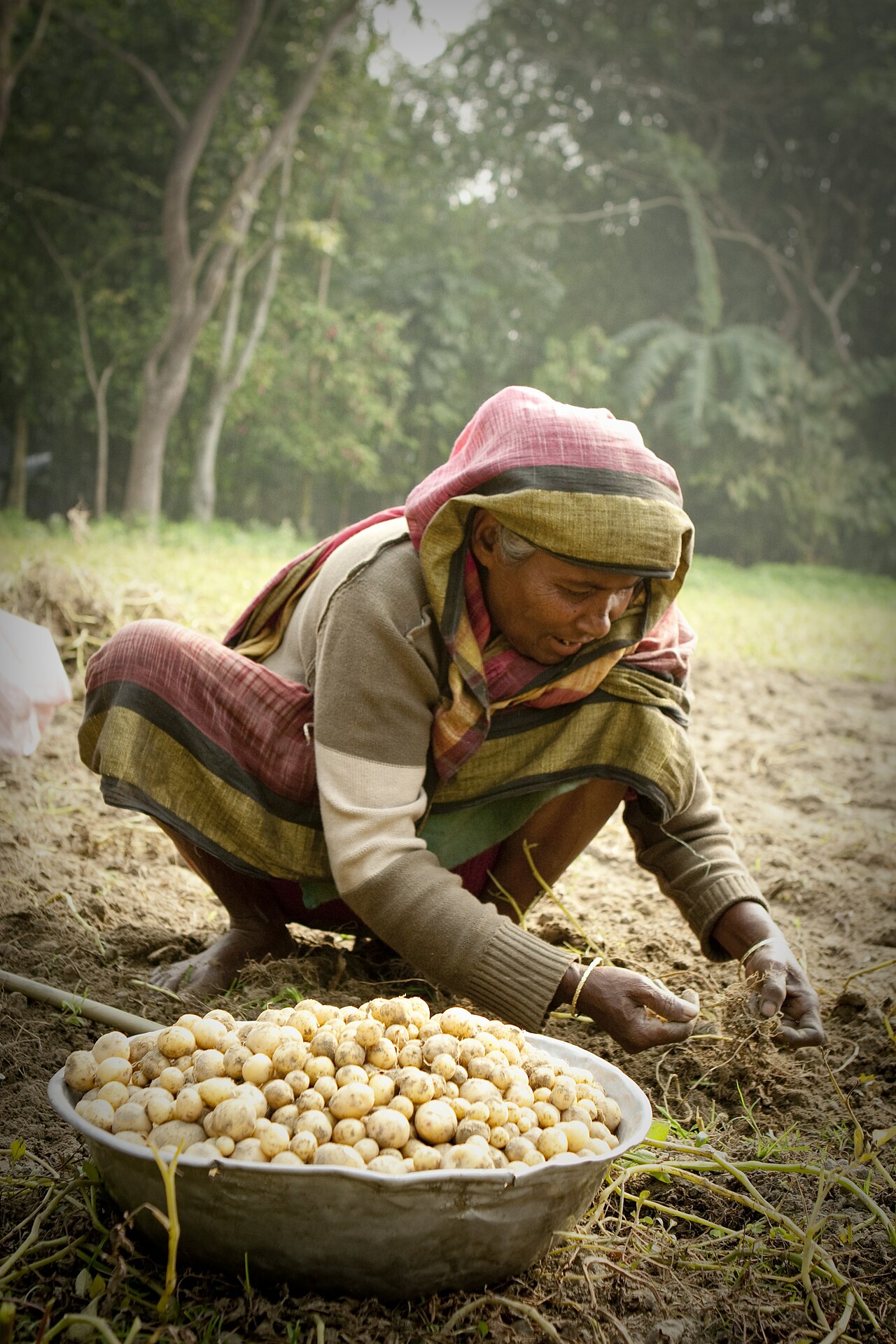
A second IFAD report, "The Unfunded Half", finds that women make up about 40 percent of the world's agricultural workers, yet only 3 percent of international public climate finance for agrifood systems, about 855 million dollars a year, has women and their economic empowerment as its main aim. Women in farm work earn 82 cents for every dollar men earn. In Bangladesh, women save seed, raise seedlings, harvest and keep livestock, but many cannot get formal credit, crop insurance or state support because they do not own land.
A UNHCR report of 6 November says about 90 million forcibly displaced people live in countries at high to extreme risk of climate disasters. Weather-related disasters caused more than 255 million internal displacements over the past decade, while fragile and conflict-affected countries receive only about 10 percent of global climate finance.
Sharif Jamil, coordinator of Waterkeepers Bangladesh, said developed countries were trying to keep adaptation finance and similar issues off the main agenda, so "COP31 has begun in disappointment". He called the presidency's target of electrifying 35 percent of energy demand by 2035 inadequate and slow. Sohanur Rahman, executive coordinator of YouthNet for Climate Justice, said the absence of several heads of state and government raised questions about political commitment to international cooperation.
The report is by a Krishi Shomoy correspondent.
Photo: Hridoye Mati O Manush / Wikimedia Commons (CC BY 2.0)
Source: Krishi Shomoy

Comments
(0)