
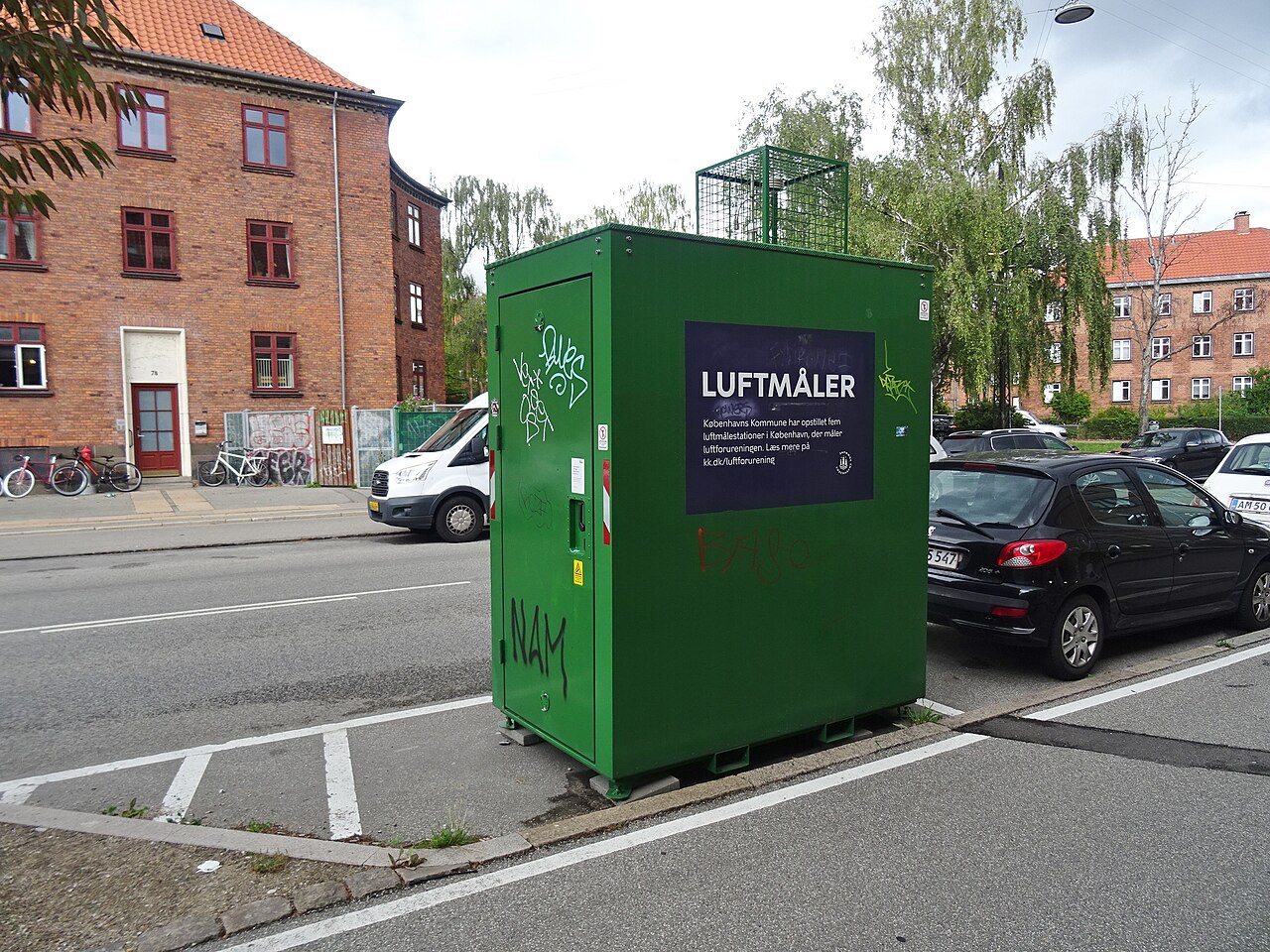
Air pollution too mild to see or feel can permanently harm the lungs of unborn babies and young children, according to a new study by the University of Copenhagen, the Danish Pediatric Asthma Center and Herlev and Gentofte Hospital, reported by Ajker Patrika.
The researchers followed several hundred pregnant women and their children from birth to the age of 18. Children exposed to somewhat higher pollution in the womb and in their first years had markedly lower lung function when tested at six, and the shortfall persisted into adolescence.
The study looked mainly at fine particles (PM2.5) and nitrogen dioxide, which come from traffic, industry, wood-burning stoves and farming. Just 2 micrograms per cubic metre more fine particles in the air was linked to about 2 percent lower lung capacity in six-year-olds.
Lead author Marie Pedersen, an associate professor of public health at the University of Copenhagen, said children do not recover from the damage as they grow; their lungs developed more slowly than normal through childhood and into their teens. A 2 percent deficit may go unnoticed in one child, she said, but a small shift in the population average has a large effect on public health.
Although air pollution in Denmark has fallen considerably over the decades, the annual average of fine particles there is still about 9.6 micrograms per cubic metre, well above the World Health Organization guideline of 5, and about 75 percent of it comes from across the border. The researchers say pollution sources are known and can be tackled, and cutting pollution across Europe and the world would protect children's long-term health.
Pedersen advised parents not to panic or keep children indoors. Children should keep cycling, playing outside and being active; the main message, she said, is that ensuring clean air is the responsibility of the state and society.
Photo: Leif Jørgensen / Wikimedia Commons (CC BY-SA 4.0)
Source: Ajker Patrika


Comments
(0)