
An hour or two of scrolling reels in bed slips by unnoticed, yet the alarm still goes off early. Writing in Prothom Alo's lifestyle pages and drawing on the US health magazine EatingWell, Zakaria Sumon explains that this habit may affect blood pressure. High blood pressure often does damage without symptoms and is a leading risk factor for heart disease and stroke.
The body runs on a roughly 24-hour internal clock, the circadian rhythm. According to Brannon Blount, a nutritionist at the University of New England in the United States, blood pressure usually starts to rise after waking, fluctuates through the day and falls during sleep. Nutritionist Michelle Routhenstein says sleeping at irregular times can disturb that normal rise and fall, so keeping the same bedtime and waking time matters.
Routhenstein says blood pressure typically drops by 10 to 20 percent during sleep, known as nocturnal dipping. In some people it does not fall as expected, a pattern called non-dipping, which research has linked to a higher risk of heart attack, stroke and heart failure.
Singapore cardiologist Devinder Singh says shift work, jet lag or sleeping against the natural clock can make the nervous system more active and impair blood vessel function. The article adds that too much sleep is not good either: research has linked regularly sleeping more than nine hours with a higher risk of high blood pressure.
Some studies suggest adults who regularly fall asleep between 10 and 11 at night may have a comparatively lower risk of heart disease, while going to sleep after midnight has been linked to higher risk. Routines differ, so there is no rule that everyone must sleep at 10 or 11; the experts' advice is to go to bed at a time that allows seven to nine hours of sleep. Someone who rises at 6am, for example, should be getting ready for bed by 10pm.
Regular sleep and a healthy lifestyle help, but anyone whose blood pressure swings often or who has high blood pressure should see a specialist doctor.
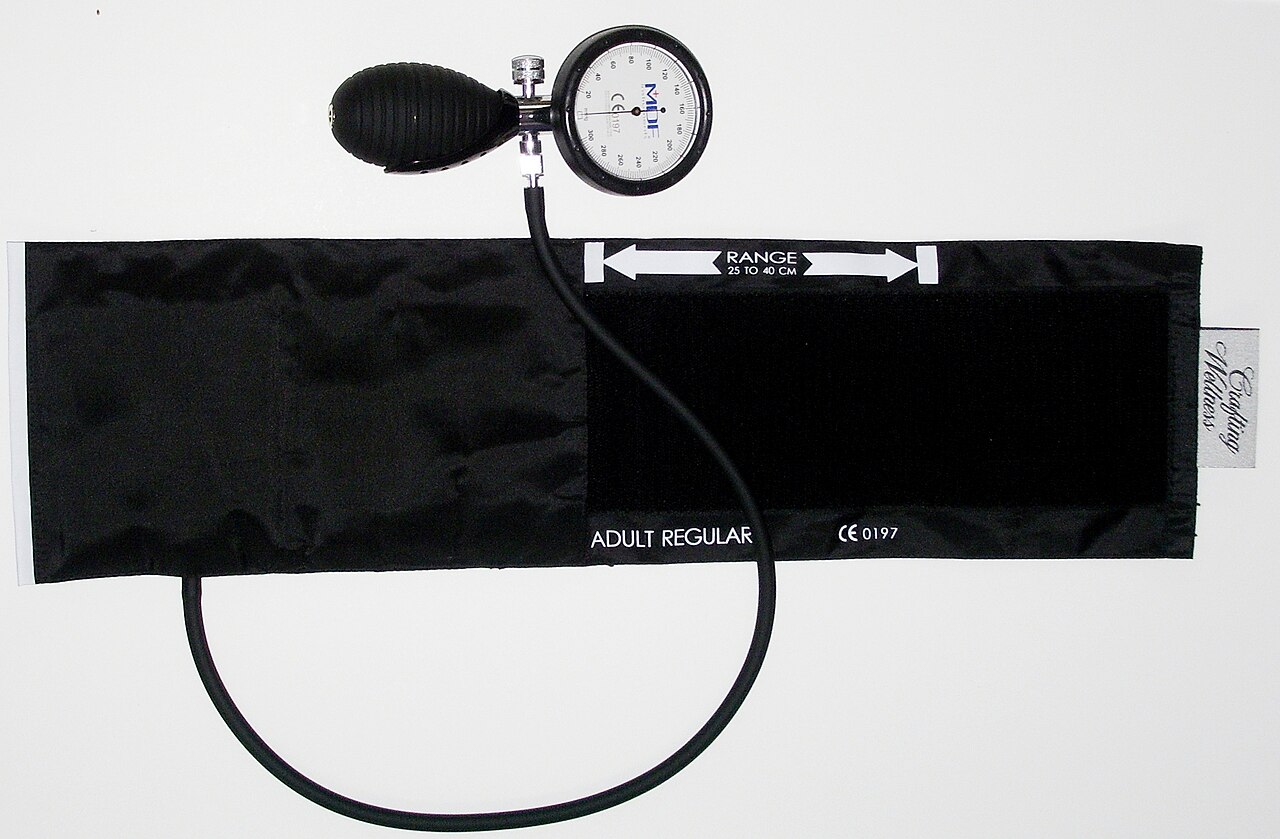
Photo: ML5 / Wikimedia Commons (public domain)
Source: Prothom Alo




Comments
(0)