
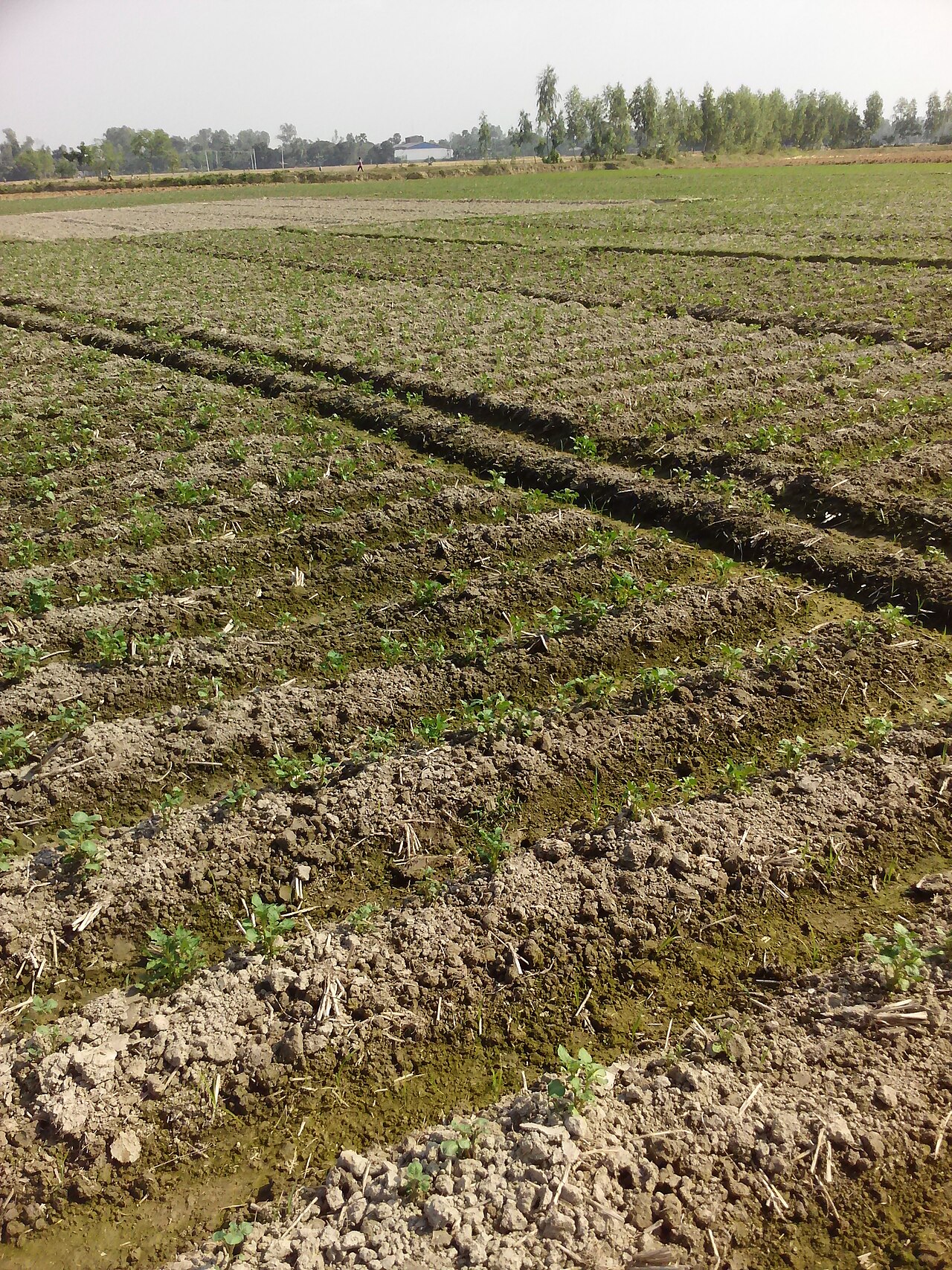
The Department of Agricultural Extension (DAE) is trying to cut chemical fertiliser use on potato land in Munshiganj, where it says following recommended doses could save about 39,054 tonnes this season, worth about Tk 312 crore. The figures come from a report by the Bangladesh Sangbad Sangstha (BSS).
Potatoes cover 34,000 to 35,000 hectares of the district every year. Hoping for bigger yields, farmers apply an average of about 2.11 tonnes of chemical fertiliser a hectare. The Bangladesh Agricultural Research Institute recommends about 970 kg. On that basis the district needs 32,980 tonnes in a season and is using about 72,034.
The DAE's guidance per hectare is 250-300 kg of urea, 150-200 kg of TSP, 250-300 kg of MoP, 100-150 kg of gypsum and 10 tonnes of compost. Training, courtyard meetings and demonstrations are being used to bring farmers round.
Deputy director Dr Md Habibur Rahman said balanced-fertiliser demonstrations using the Khamari app are being set up in 206 blocks of the district, and that soil samples from every block, 847 in all, have been sent to the Soil Resource Development Institute for testing.
Excess fertiliser raises production costs and threatens soil nutrient balance and long-term fertility, he said, while measured doses based on the soil's nutrient content can keep yields good at lower cost. The department hopes that moving farmers away from the belief that more fertiliser always means more potatoes will make production in Munshiganj more sustainable.
Photo: sakib454590 / Wikimedia Commons (Public domain)
Source: Agricare24
Comments
(0)