
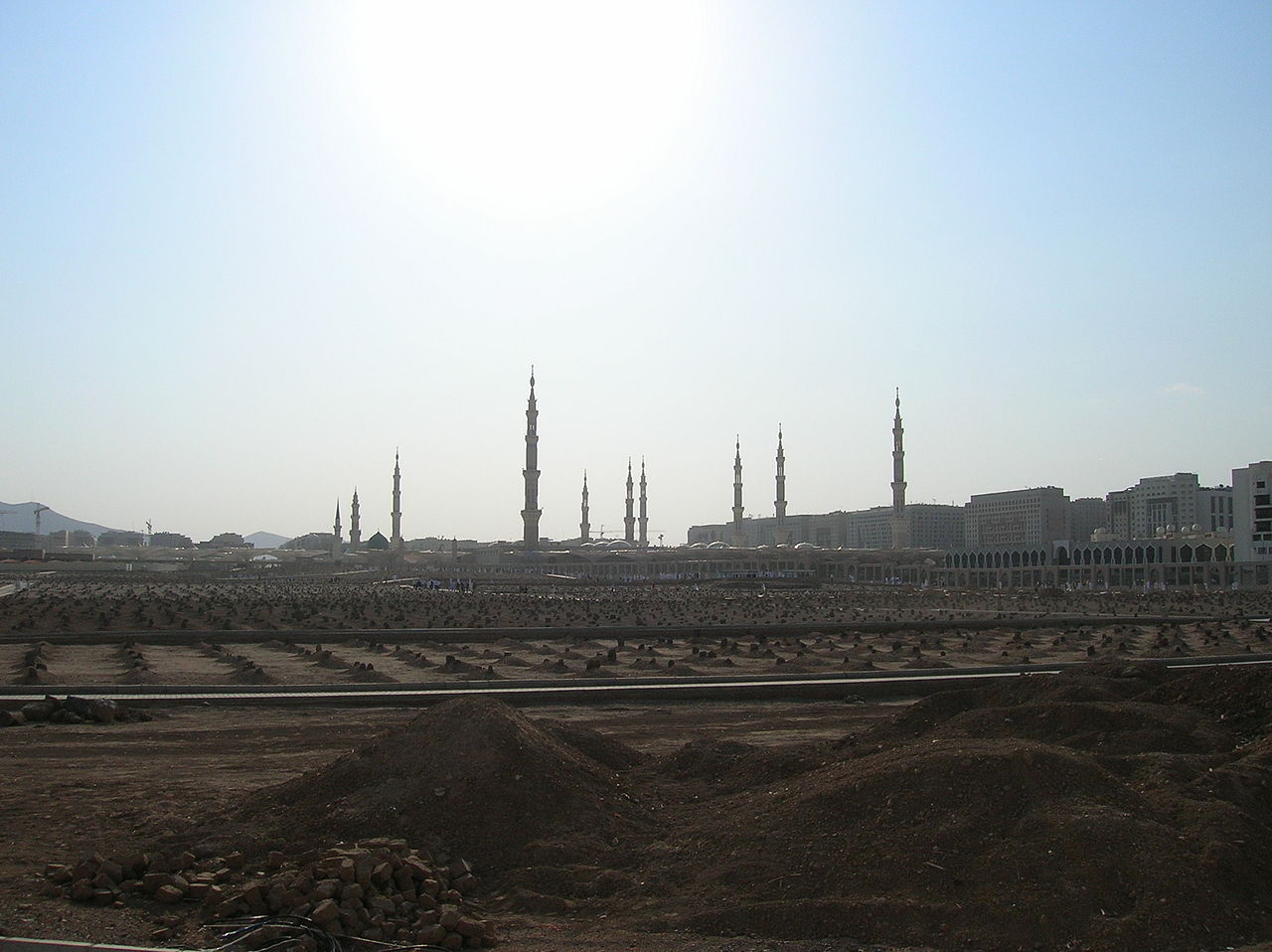
Where was Abdullah ibn Abd al-Muttalib, father of Prophet Muhammad (peace be upon him), buried? Muhammad Tajammul Haque has traced the answer through the classical histories in Prothom Alo's seerah column: in the house of al-Nabigha, in the quarter of the Banu Najjar clan in Madinah.
According to the seerah accounts, Abdullah had gone to Syria to trade. Returning to Makkah with a Quraysh caravan, he fell ill, stopped in Madinah and died there; some say Abd al-Muttalib had sent him to Madinah to bring back dates. The writer cites Safiur Rahman Mubarakpuri's al-Raheeq al-Makhtum and al-Tabari's history, which records that the grave lay at the threshold of the second room on the left inside the house of al-Nabigha.
The Banu Najjar were kin to the Prophet's family. His great-grandfather Hashim married into the clan, and it was the maternal family of Abd al-Muttalib. Ibn Sa'd relates that at the age of six the Prophet came to Madinah with his mother, Aminah, to visit his maternal relatives and stayed a month in the house of al-Nabigha; he later remembered those days on seeing the fort of Banu Adi ibn al-Najjar. On the way home, Aminah died at al-Abwa and was buried there.
After the hijrah, the spot where the Prophet's camel first knelt in Madinah became the site of the Prophet's Mosque. Its owners, two orphan boys named Sahl and Suhayl, were also of the Banu Najjar, and it was then a yard for drying dates. The Prophet stayed seven months in the house of Abu Ayyub al-Ansari of the same clan, and a hadith in Sahih al-Bukhari calls the Banu Najjar the best of the houses of the Ansar.
By the writer's account, Madinah had 72 forts when the Prophet arrived; he forbade their destruction and called them the beauty of the city. Muslims later built 56 more, making 128. Over time they crumbled and disappeared as roads were built.
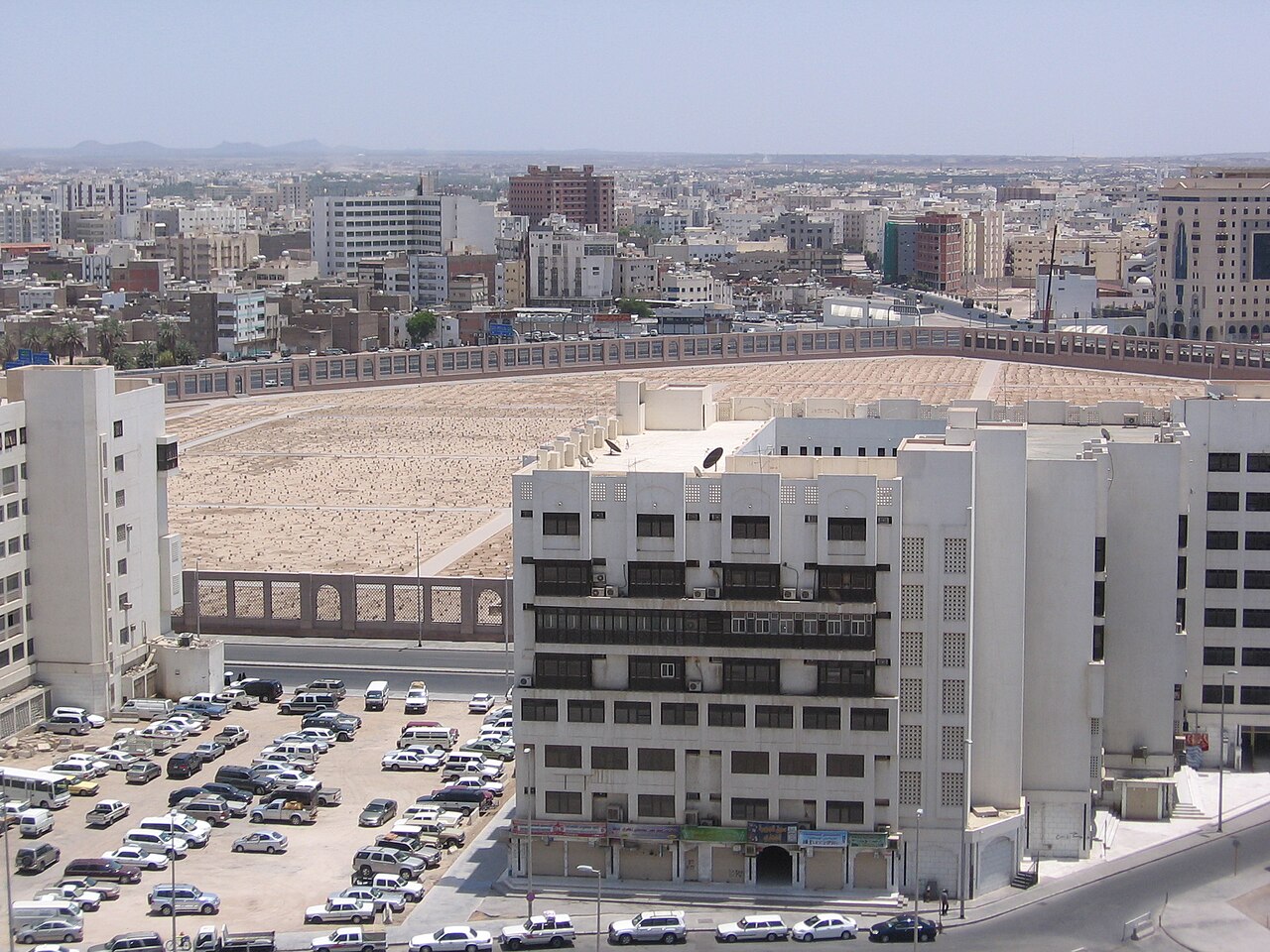
One source cited in the article says that in 1979, when Jannat al-Baqi cemetery was enlarged, the Banu Najjar fort was demolished and Abdullah's grave was taken into the cemetery. The article closes with a translation of the elegy Aminah composed for her husband.
Photo: Kerina yin / Wikimedia Commons (CC0)
Source: Prothom Alo


Comments
(0)