
In the age of ignorance before Islam, many saw a daughter as a disgrace, and some buried infant girls alive. An article on Desh Rupantor's Islam page recalls that in that society the Prophet Muhammad (peace be upon him) established the dignity of women as mothers, wives, daughters and sisters, and set an example in his love for his own daughters. He had four.
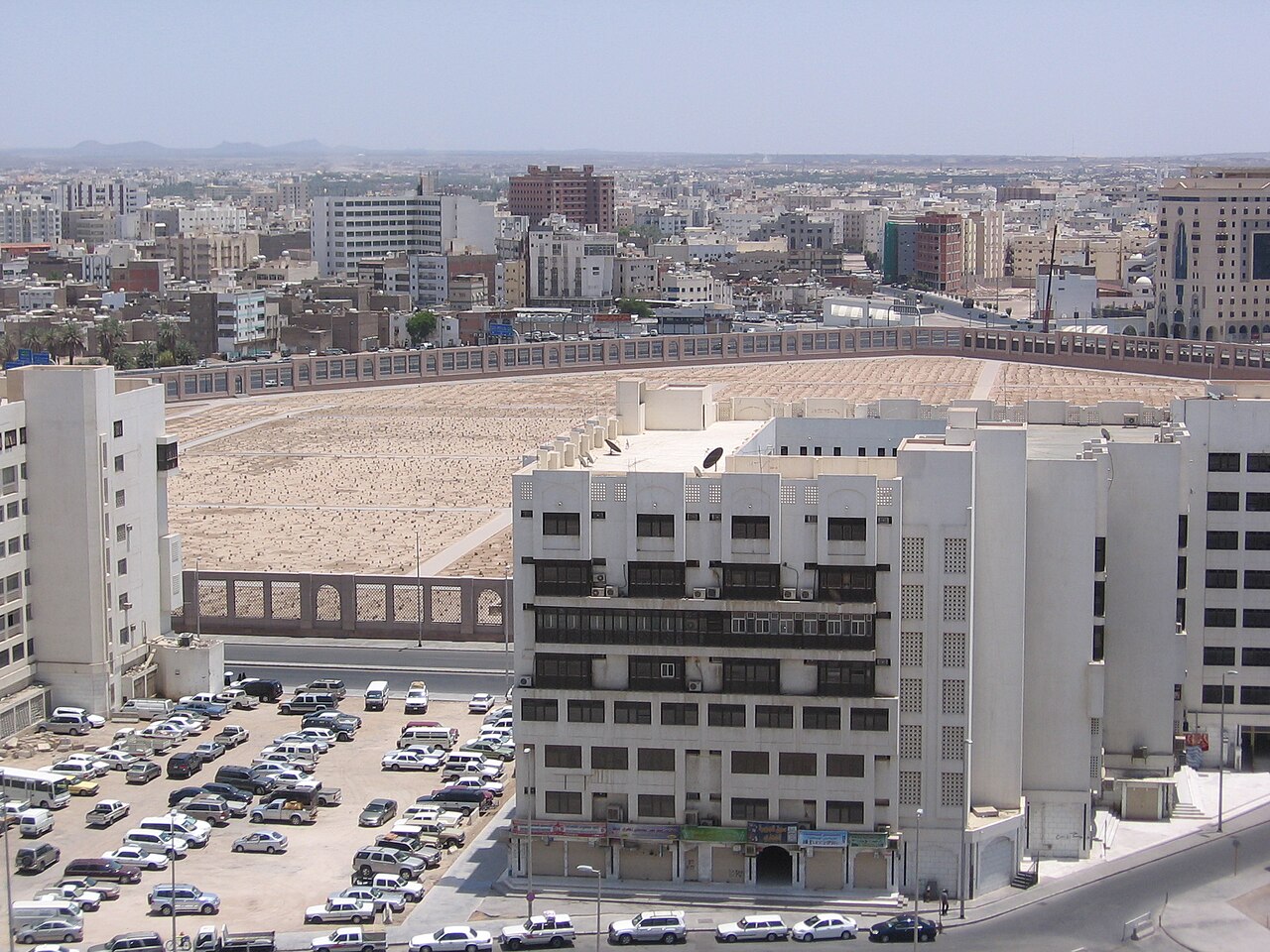
Zainab, the eldest, was born in 600 CE. She married her cousin Abu al-As ibn al-Rabi and had two children, Ali and Umamah. She died in 629 CE and was buried at Jannat al-Baqi in Medina.
Ruqayyah, the second daughter of the Prophet and Khadijah, was born seven years before the prophethood. After accepting Islam she migrated to Abyssinia and later to Medina, earning the title "Dhat al-Hijratayn", the one of two migrations. She married Uthman ibn Affan; their son Abdullah died in childhood. She died in Medina in 624 CE.
Umm Kulthum, the third daughter, was born in Mecca six years before the prophethood. Her first marriage, to Utbah, son of Abu Lahab, ended after she accepted Islam. Later, at the Prophet's direction, she married Uthman, who, having married two of the Prophet's daughters, became known as "Dhun-Nurayn", the possessor of two lights. She died in Medina in 630 CE.
Fatimah, the youngest, was especially dear to the Prophet. In a hadith in Sahih Muslim (2450), Aisha relates that when Fatimah came to him he would welcome her, take her hand, kiss her and seat her beside him. She married his cousin Ali ibn Abi Talib; their children were Hasan, Husain, Zainab and Umm Kulthum. She died in Medina in 11 AH.
Photo: Mardetanha / Wikimedia Commons (CC BY-SA 3.0); Jannat al-Baqi, Medina
Source: Desh Rupantor


Comments
(0)