
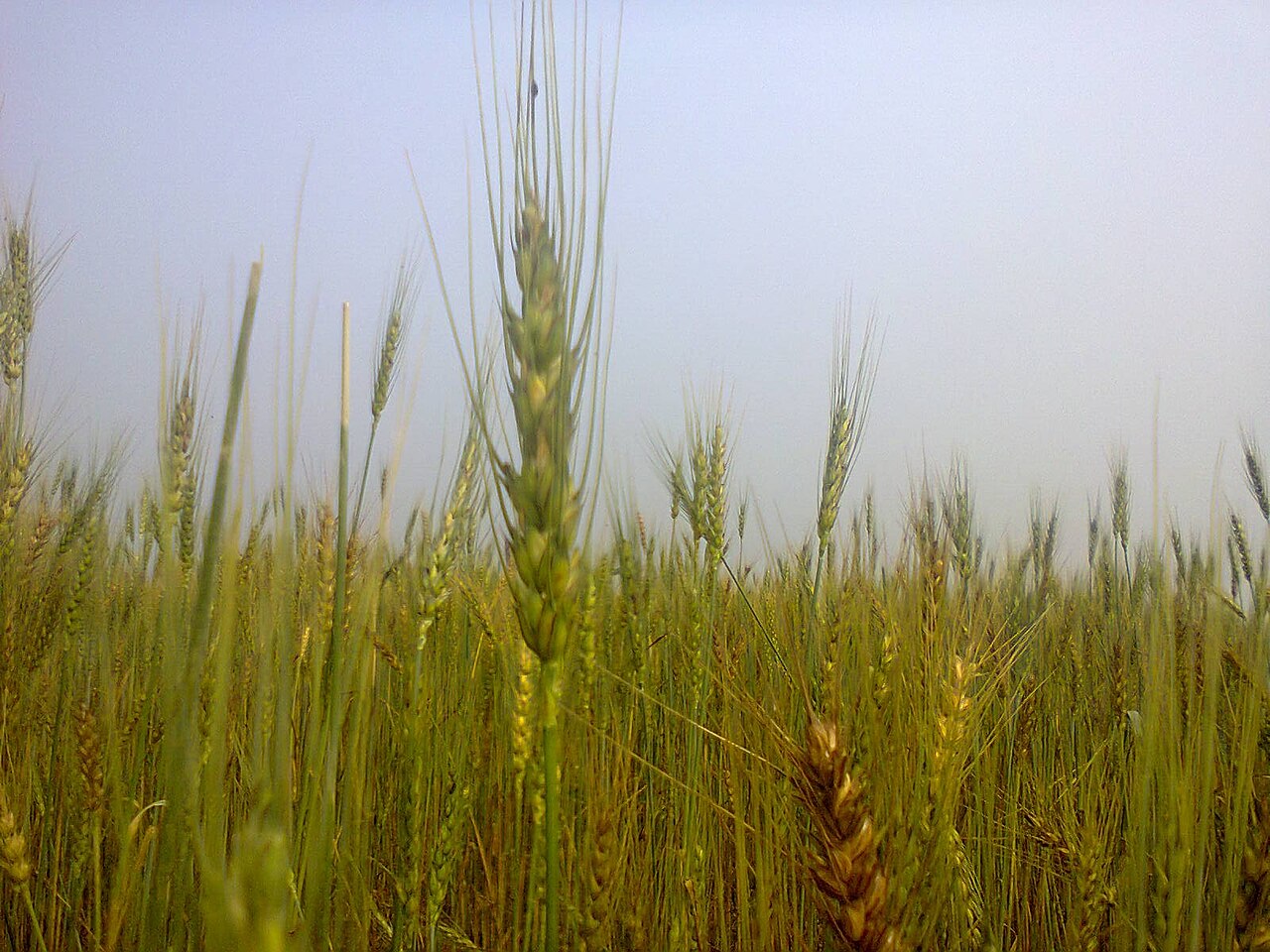
A new Tk 25.91 crore project has been proposed to strengthen research and development at the Bangladesh Wheat and Maize Research Institute (BWMRI), to raise wheat and maize output and cut import dependence. Fully government-funded, it would run from July 2026 to June 2031 in selected upazilas of all eight divisions, Share Biz reported, citing Planning Commission sources.
Its main aims are to raise wheat production through climate-resilient, high-yielding varieties, modern research facilities and seed villages, and to produce eight percent of the country's maize seed demand at home. Developing heat-, drought- and disease-resistant, salt-tolerant and biofortified wheat and maize varieties is part of the plan.
Over five years the project would set up 1,800 variety demonstrations and 1,300 yield-gap demonstrations in 58 upazilas of 37 districts, and aims to release five new varieties (three wheat, two maize) and 12 other technologies. It also includes a cool room for maize seed storage, extensions to laboratory buildings and a boundary wall for the research fields.
On seed, it would supply BADC and other seed producers with 100 tonnes of wheat breeder seed and 15 tonnes of maize inbred seed, helping them produce 40,000 tonnes of certified or truthfully labelled wheat seed and 1,335 tonnes of hybrid maize seed. Seed villages would produce 160 tonnes of wheat seed on 400 farmers' land (one bigha each) and 40 tonnes of hybrid maize seed on 75 farmers' land (one acre each).
The proposal notes that maize demand has risen sharply with the growth of poultry, fish and dairy farming, while much of the wheat Bangladesh eats is still imported. Since it was founded in 2017 the institute has developed varieties and technologies, distributed seed and trained farmers, but drought, salinity, waterlogging, a shortage of quality seed and limited facilities remain challenges. Planning Commission reviewers have, however, questioned funding routine research through a development project and asked for travel, field-day, vehicle and fuel costs to be kept reasonable.
For farmers, the project's value will depend on how quickly new varieties and quality seed reach the field; growing seed on their own land in seed villages is also a chance of extra income. The report is by Share Biz's Sheikh Sadi Khan.
Photo: মিলন / Wikimedia Commons (CC BY-SA 4.0)
Source: Share Biz

Comments
(0)