
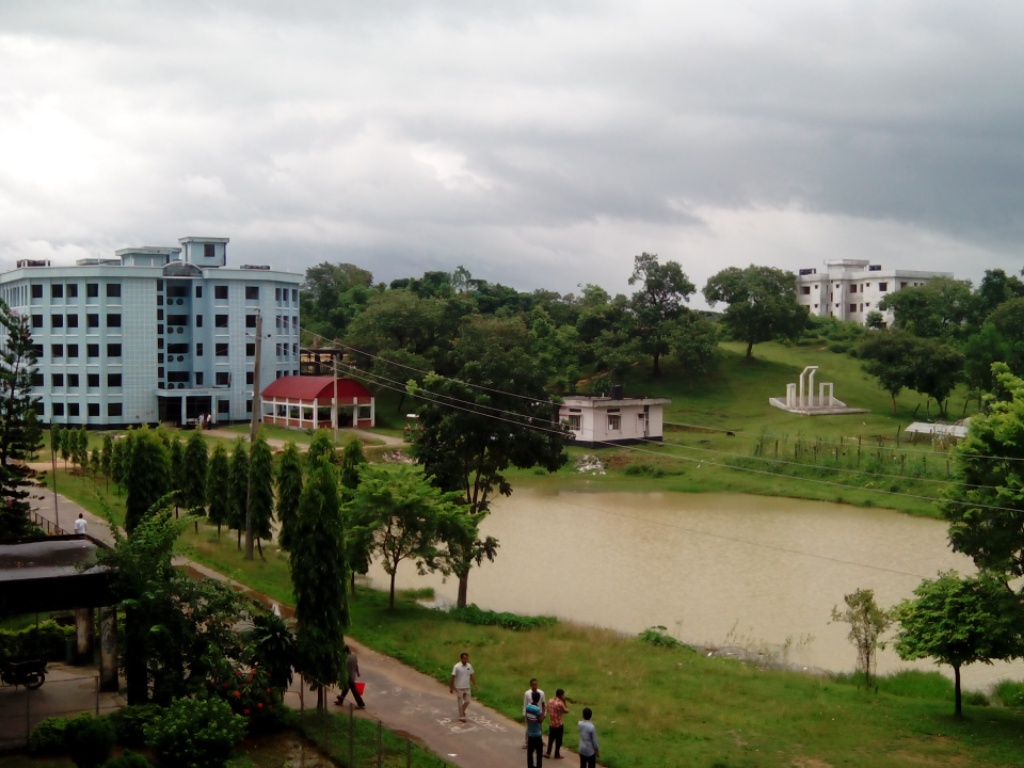
Protecting farmland, putting fallow land to proper use and getting support directly to farmers can make Bangladesh's agricultural growth sustainable, Md Ruhul Kabir Rizvi, the prime minister's adviser on political affairs and the industries ministry (with the rank of minister), said on Monday (2 November). He was chief guest at a discussion marking the 20th founding anniversary of Sylhet Agricultural University (SAU).
The meeting, titled "Sylhet Agricultural University: founding, achievements and prospects", was chaired by Professor Dr Mohammad Mahbub Iqbal, president of the National Day Celebration Committee 2026. Vice-chancellor Professor Dr Muhammad Shafi Ullah Majumder was chief patron.
Rizvi said a farm policy that considers production, market systems, modern technology and farmers' living standards together would make the country's prosperity faster and more durable. A great deal of land in various regions has lain fallow for a long time, he said; identifying it and bringing it under cultivation would raise output and cut dependence on food imports. That needs accurate land surveys, clear ownership, irrigation and technical support, he added.
Fertile farmland is hard to restore once it is lost, he said, so housing and other development projects should plan to use fallow and low-productivity land instead. He called the farmer card for the poorest farmers a positive step but stressed regular monitoring to check that the intended beneficiaries actually receive its benefits.
Keynote speaker Professor Dr Farhad Halim Donar, executive director of the Ziaur Rahman Foundation, said agricultural universities have a key role in food security, modernising farming and improving farmers' lives. He urged SAU to take a stronger lead in meeting the challenges of climate change, developing new farm technologies and taking research results to the field.
The members of parliament for Sylhet-2 and Sylhet-3 and the administrator of Sylhet City Corporation attended. The day was marked with flag hoisting, tree planting, a rally and a cultural programme. Fallow land, farmland protection and oversight of the farmer card all bear directly on farmers' incomes and output.
Photo: NahidSultan / Wikimedia Commons (CC BY-SA 4.0)
Source: Agricare24

Comments
(0)