
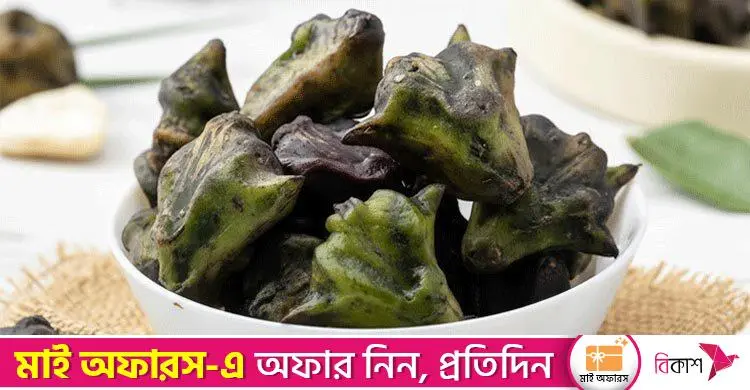
Water chestnut (panifol) is plentiful in markets before winter. It is hard to find at other times of year, so demand is high. The fruit grows in water, tastes sweet and is full of nutrients, so many people love it.
Nutritionists say water chestnut is a natural source of energy. It contains calcium, potassium, iron, vitamin B12 and vitamin C, which help boost immunity at the start of winter. Its biggest advantage is that it holds far more water than other fruits, so it is an ideal way to keep the body hydrated for those who cannot drink enough water in the cold.
Who should be careful
- People with diabetes or insulin resistance: water chestnut is risky for them. It is high in carbohydrate, so eating a lot can raise blood sugar very quickly.
- People with kidney problems should not eat it, because it is very high in potassium, which can put the kidneys under strain. Kidney patients must avoid excess sodium, and preserved water chestnut contains even more sodium. Eating it can raise blood pressure and worsen the kidneys' condition.
- Water chestnut is high in fibre, so people with weak digestion may get bloating, gas or discomfort if they eat a lot. Those who already have irritable bowel syndrome (IBS) or digestive problems should not eat much of it.
- People with allergies may react to water chestnut. Although allergy to this fruit is not common, some people may get vomiting, diarrhoea or itchy skin, so anyone with such problems should be careful before eating it.
- People who take blood-thinning medicine are better off not eating it, because it contains vitamin K, which helps blood clot. This can reduce the medicine's effect and create a sudden risk.
Water chestnut is also a cooling fruit, so it is not advisable to drink water straight after eating it, as this may increase the tendency to catch cold and cause problems such as colds and coughs.
Source: Jagonews24 (from The Times of India). First published in Bengali on The Agro News.

Comments
(0)