
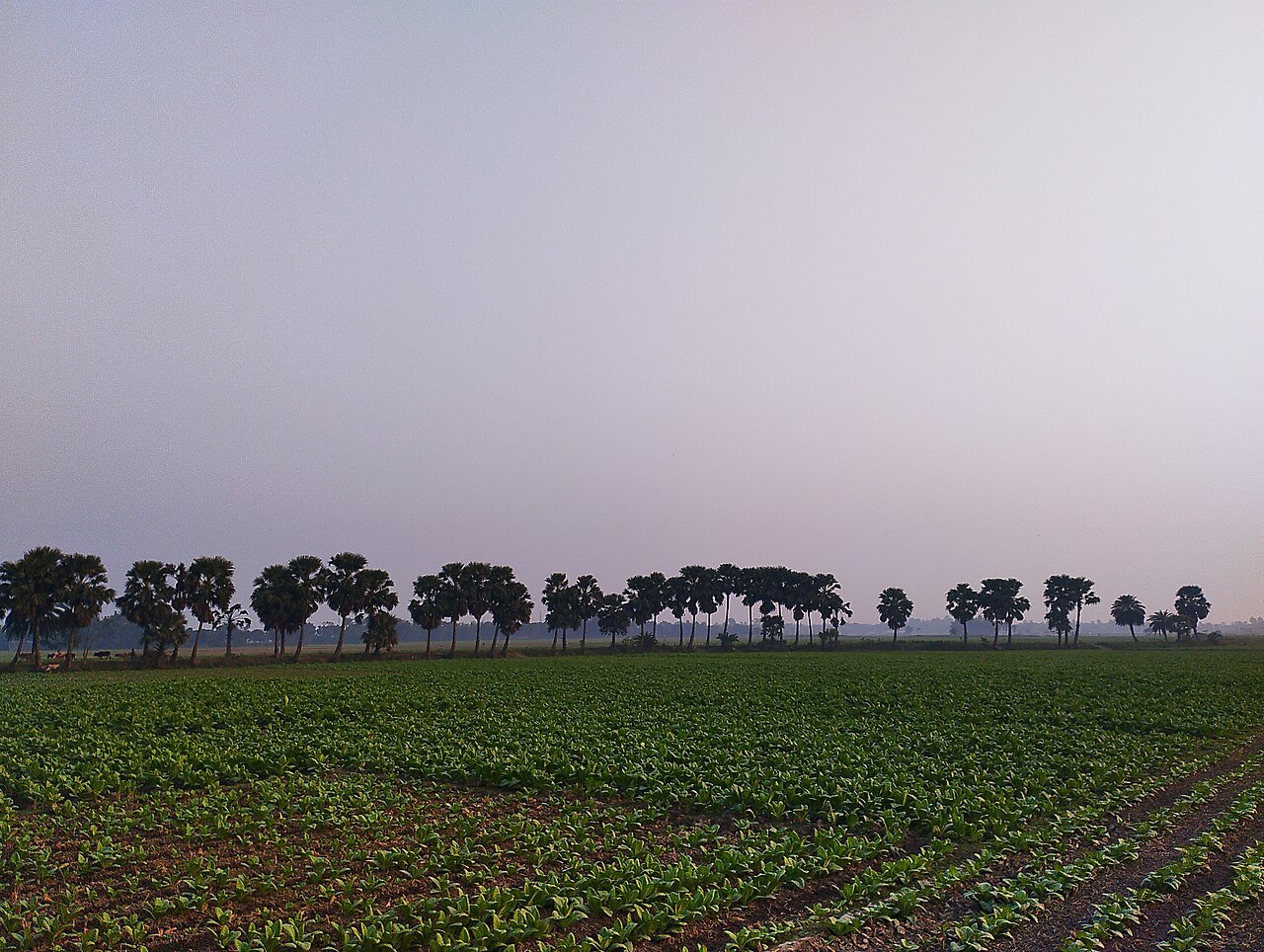
Farmers in Mirpur upazila of Kushtia are turning from tobacco to papaya and making money, a BSS special report says. With training, advice and incentives from the Jashore Region Sustainable Agricultural Extension Project, former tobacco land now grows papaya, ginger, capsicum, summer onion, watermelon and dragon fruit. By the agriculture department's reckoning, these crops earn at least four times as much per bigha as tobacco.
According to the report, tobacco takes up about 30,000 hectares of fertile triple-cropped land across Kushtia's six upazilas in the boro season, cutting the output of food grain by about 200,000 tonnes. Six tobacco companies, BAT among them, keep about 25,000 of the district's farmers in tobacco with the lure of quick cash. The government is offering farm loans and mobile irrigation in tobacco-growing areas to encourage other crops.
Jamirul Islam of Mashan village told BSS that six months of work by his whole family and Tk 40,000 to 50,000 in costs used to yield tobacco worth Tk 80,000 to 100,000. Curing it meant sleepless nights, the children missed school to help, and the fumes kept the family ill. After training from the agriculture department, he planted about 450 papaya seedlings on one bigha last January at a cost of Tk 60,000. On 1 November he made his first pick and sold Tk 107,000 worth at Tk 15 a kilo, with traders collecting the fruit from his orchard.
Mohidul Islam of Balidapara village has papaya on 25 kathas. Farmers stay in tobacco, he said, because it pays a lump sum in cash even though they know it is harmful; he grew it himself until last year, for a single payment. His papaya will now keep selling for up to two years, and he expects four times what tobacco paid. Nityaranjan, a vegetable seller at Nishan Mor in Kushtia town, said he sells about a maund of papaya a day at Tk 25 to 30 a kilo.
Mahabul Islam, sub-assistant agriculture officer in Mirpur, said other tobacco farmers were taking an interest after seeing the papaya profits, and that training, incentives and advice on high-value crops were the way to bring farmers out of tobacco. Project director Rabiul Islam said the project was working in the Jashore region to make farming profitable and commercial through modern technology, advice and training.
Photo: Md Sakibul Hasan / Wikimedia Commons (CC BY 4.0)
Source: BSS


Comments
(0)