
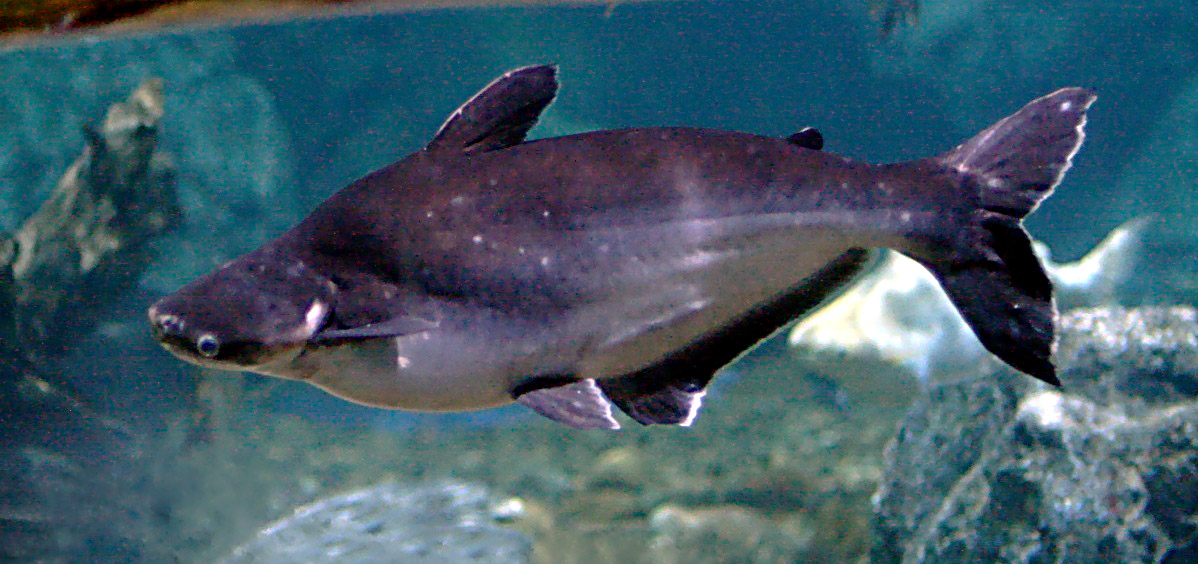
A £2.4 million (US$3.2 million) research project will investigate antimicrobial resistance (AMR) in Vietnam's pangasius sector, one of the world's largest freshwater fish farming industries, as farmers face pressure to move away from antibiotics, AgNavigator reported.
The project is part of more than £54 million (US$71.6 million) invested by UK Research and Innovation (UKRI) in 18 projects on infectious diseases, antimicrobial resistance and next-generation veterinary vaccines. It is led by Professor Margaret Crumlish of the University of Stirling and brings in the University of Glasgow, the University of Sydney, Can Tho University and Vietnam National University.
Crumlish said AMR is a global challenge for human, animal and environmental health, with aquatic ecosystems playing a significant role in the emergence and spread of resistant bacteria. Aquaculture farmers in South East Asia often lack viable alternatives and may keep using antibiotics even as they lose effectiveness, she said.
The researchers will examine how resistance develops, how it affects production and what drives farmers' decisions to use antibiotics and their willingness to try new solutions, working directly with farmers, policymakers and businesses so that any measures work under real production conditions. The work builds on Stirling's earlier research on next-generation fish vaccines.
Although the focus is Vietnam, the team plans a framework that could be adapted for freshwater aquaculture in other countries facing similar resistance problems.
Photo: Lerdsuwa / Wikimedia Commons (CC BY-SA 3.0)
Source: AgNavigator


Comments
(0)