
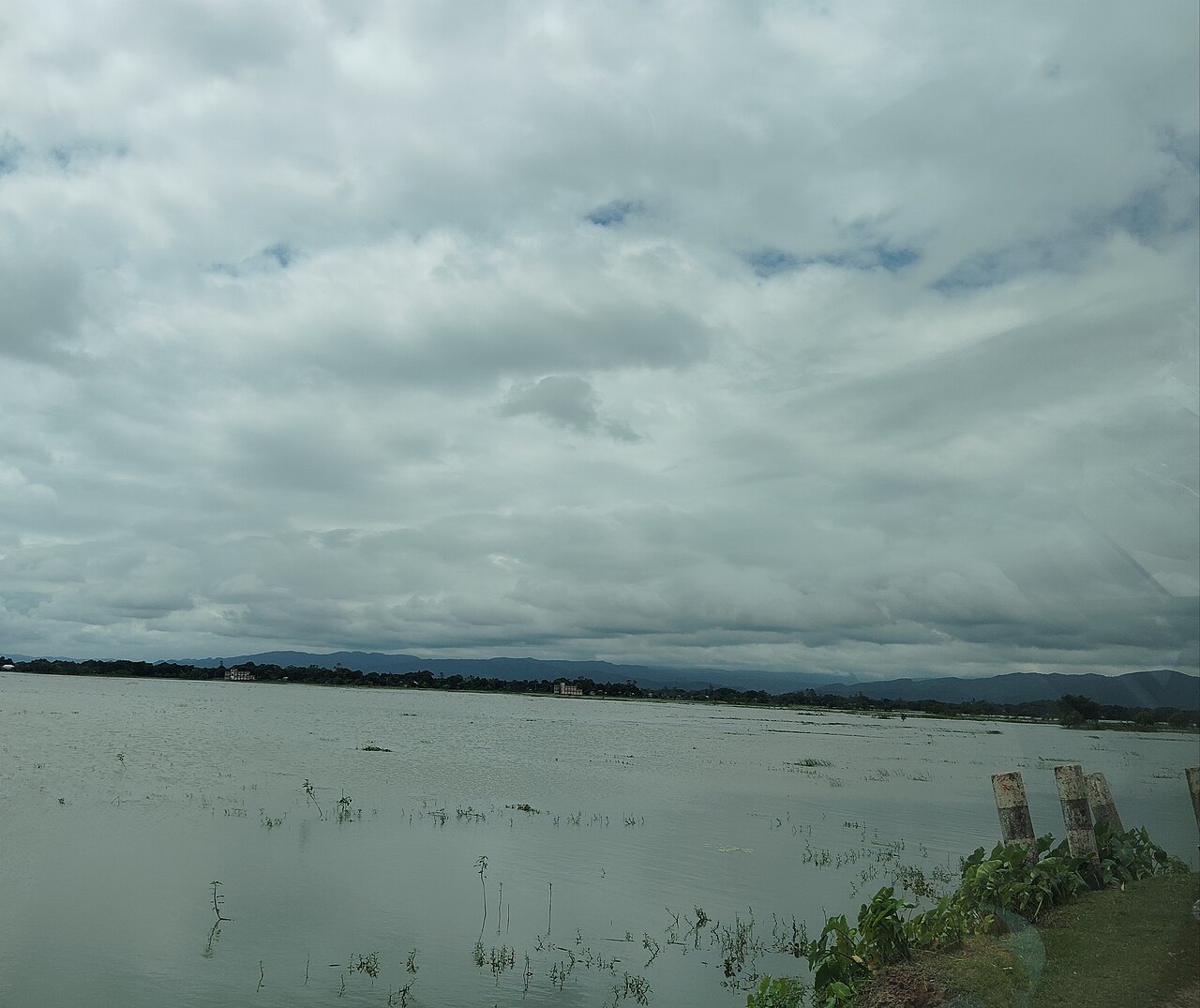
The vast haor wetlands of Netrokona are steadily losing their native fish. Fishermen casting nets in the haors, rivers, canals and beels return almost empty-handed, and many, unable to bear the losses, are leaving the trade of their forefathers for day labour or farm work.
According to recent data from the research organisation BARCIK, Netrokona's haors held at least 115 species of native fish six decades ago. Twenty-nine have vanished from the area entirely, and only 61 are seen now. Of the remaining species, 43 are endangered, 11 critically endangered and 12 in acute crisis.
The hardship is plain in the haors of Madan, Mohanganj, Khaliajuri and Kalmakanda. Wahab Mia, 70, of Madan has fished for six decades and says he has never seen such a shortage. Fishermen say the boat, fuel and net repairs cost money every day whether fish are caught or not, so many have used up their savings and fallen into debt.
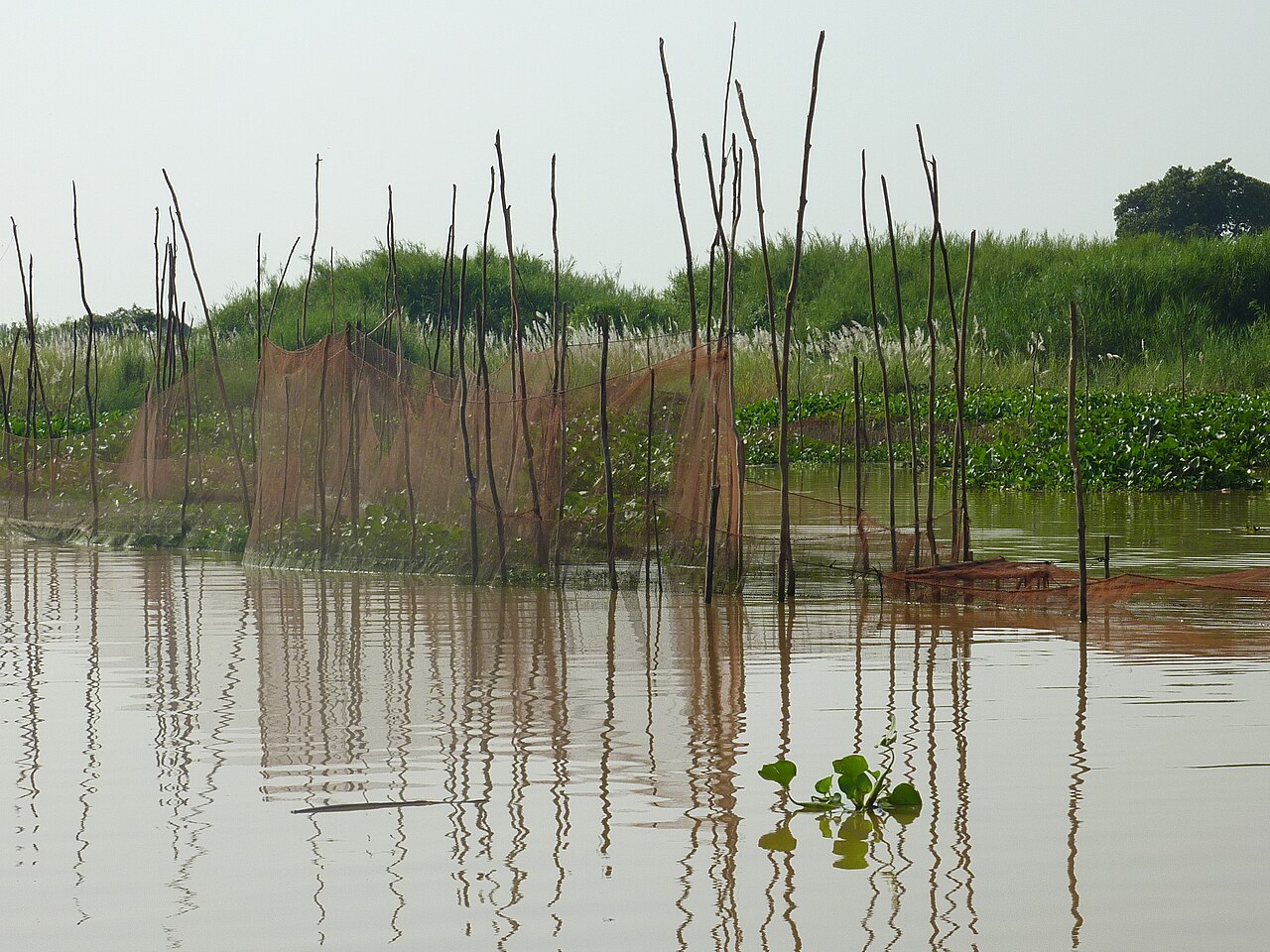
People in the fisheries sector blame indiscriminate fishing, the destruction of egg-bearing fish and fry in the monsoon, 'China duari' traps and fine-mesh current nets, fishing with poison, gas tablets and electric shocks, and pesticides and chemical fertiliser washed from farmland into the haors. Government records once listed 135 haors, 824 beels, 115 rivers and 439 natural canals in the district, but siltation, encroachment and shrinking water bodies have destroyed much of the fish habitat.
With less native fish coming in, local wholesalers and retailers are losing money too, and markets now rely on farmed fish. Local environmental activist Ahidur Rahman said that unless illegal nets and destructive fishing are stopped in the breeding season, the remaining species will also be lost.
District fisheries officer Md Harun-or-Rashid said adequate fish sanctuaries in the haors are now essential. Madan and Khaliajuri have no government sanctuary at present, and proposals for new ones have been sent to higher authorities. He also called for stricter enforcement to stop illegal nets and protect fish habitat.
Reported by Krishi Shomoy's Netrokona correspondent.
Photo: Redmin / Wikimedia Commons (CC BY 4.0)
Source: Krishi Shomoy
Comments
(0)