
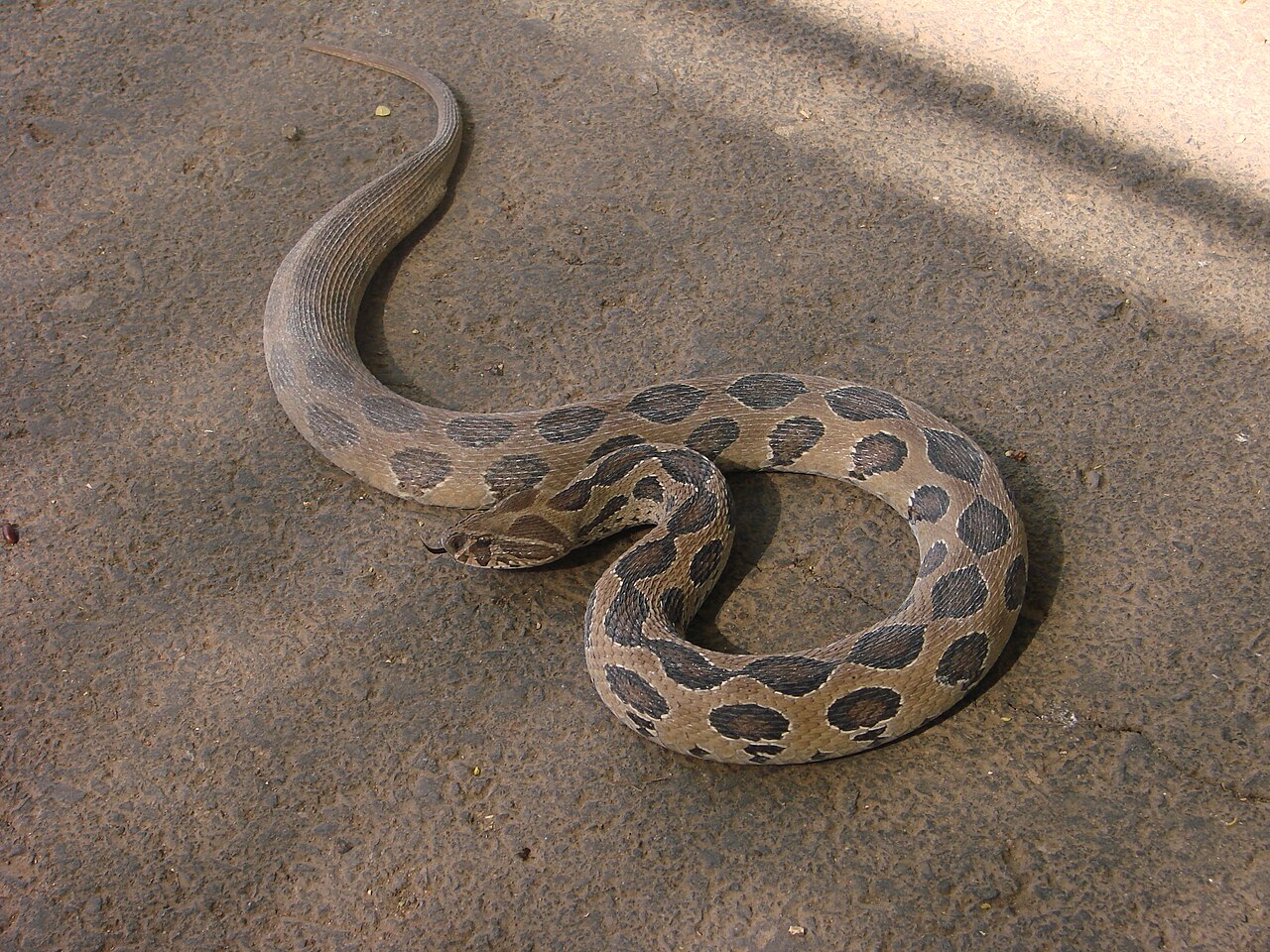
Work on an antivenom matched to Bangladesh's own snakes has stalled for lack of money. The Venom Research Centre at Chattogram Medical College finished producing antibodies against Russell's viper and reported to the government two years ago, but no state funding has come since 30 June 2024, BBC Bangla reports.
Local media, citing 2023 government data, say about 450,000 people are bitten by snakes in Bangladesh each year and more than 7,500 die. The World Health Organization listed snakebite as a 'highly neglected' problem in 2017 and urged every country to make antivenom from its own snakes. The centre was set up on the Chattogram Medical College campus in 2018 and is the only one of its kind in the country.
Its chief researcher, Professor Aniruddha Ghose of the college's medicine department, said the next goal was antibodies against neurotoxic snakes such as kraits and cobras, but that work has not begun. When all projects under the health directorate's operational plans were shut in 2024, the funding stopped; a new development project proposal (DPP) has been submitted, but approval takes time. 'We have barely survived these two years,' he said.
Professor Md Halimur Rashid, director of disease control at the Directorate General of Health Services, told BBC Bangla that operational-plan projects are to move to the revenue budget or to DPPs, but no decision has been made on which route this project will take, and its funding stays suspended until then.
The centre has collected more than 350 venomous snakes from around the country, though none in the past two years. Professor Md Abdul Wahed Chowdhury of Chittagong University's zoology department said venom from the 11 most venomous species has been collected: two cobras, a king cobra, five kraits, Russell's viper and two pit vipers. Antivenom work needs at least 5 mg of venom; for some kraits that means keeping 1,000 snakes for six months. The rat-breeding unit that feeds the snakes costs about Tk 1 lakh a month.
Hospitals now use antivenom from southern India made against India's 'big four' (cobra, krait, Russell's viper and saw-scaled viper, the last absent from Bangladesh). Researchers say venom varies with environment even within a species, so it works poorly here and patients may need 10, 20 or 40 vials, with complications. Ninety-five per cent of bites happen in rural areas, and government surveys show only 3 per cent of patients go to hospital.
Reported by Jannatul Tanvi, BBC Bangla.
Photo: Russell's viper (Daboia russelii, illustrative), AChawla / Wikimedia Commons (CC BY-SA 3.0)
Source: BBC Bangla

Comments
(0)