
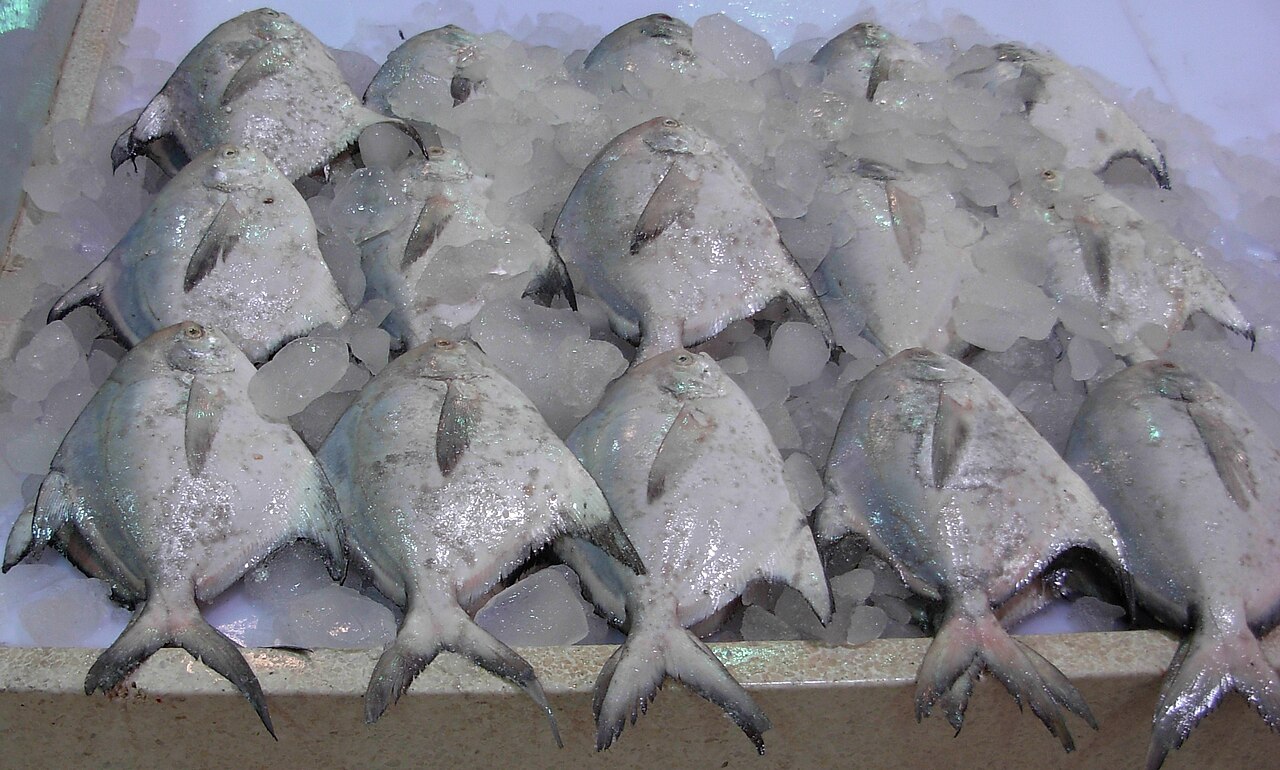
Hilsa, pomfret, ribbonfish, Bombay duck, sea bass, tuna, salmon and many kinds of prawn are eaten well beyond the coast. Sea fish carries protein, omega-3 fatty acids, vitamins and minerals, but its benefits and risks depend on the species, how it is cooked and the health of the person eating it, Banglanews24's lifestyle desk reports.
Its main asset is omega-3, especially EPA and DHA, which the body cannot make in sufficient amounts. Sea fish also supplies protein, vitamins A and D for the eyes and bones, iodine for the thyroid, and selenium, zinc and potassium. Calories and protein vary from species to species.
Omega-3 can help lower blood triglycerides, and eating fish as part of a healthy diet may help reduce the risk of heart disease. DHA matters for the structure of the brain and the retina. The report is careful, though: there is no guarantee that sea fish will sharpen memory or prevent dementia, nor that selenium prevents cancer.
Raw or undercooked fish can carry germs and parasites, so it should be cooked thoroughly. Some species are high in mercury, which can harm a developing baby; pregnant women need not avoid all sea fish, but should choose low-mercury species and eat safe amounts.
Depending on the type and stage of kidney disease, protein, potassium and phosphorus may need to be limited, so portions should be set with a doctor or nutritionist. People allergic to prawns or crab should avoid them, and in gout the purines in some seafood can make things worse. Heavily salted or deep-fried fish is best avoided.
Cooked safely and eaten as part of a balanced diet, sea fish is a good food; anyone with a particular health condition should take personal advice on how much to eat.
Photo: White pomfret (Pampus argenteus), Noblevmy / Wikimedia Commons (CC BY 3.0)
Source: Banglanews24




Comments
(0)