
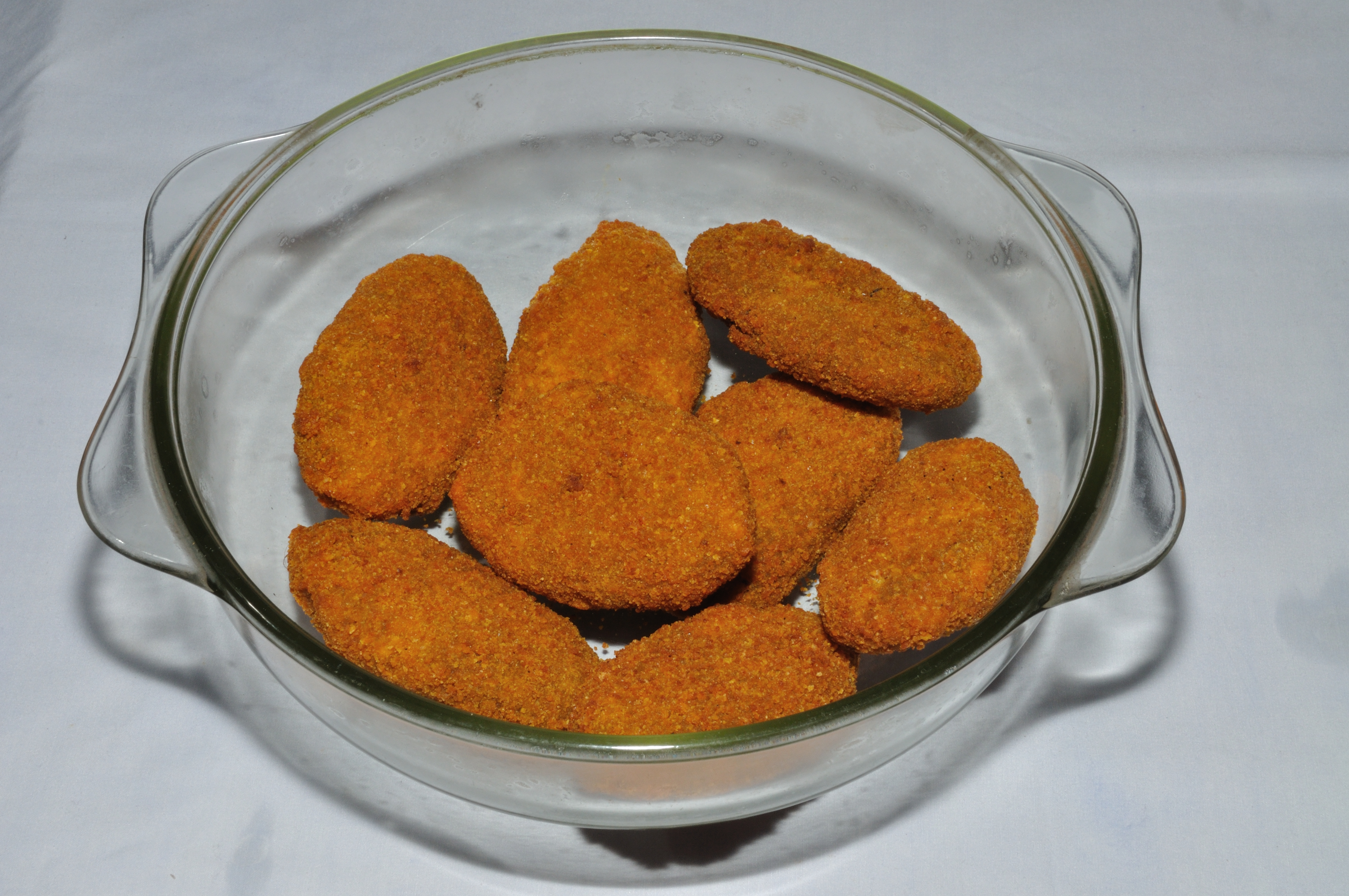
On 20 January 2026, in the middle of the winter vegetable season, the lifestyle desk of the Bangladeshi news site Jagonews24 published a recipe for vegetable lollies: small balls of boiled potato mixed with chopped winter vegetables, herbs, spices and cheese, coated in egg and breadcrumbs, set on sticks and deep-fried. The desk offered them as a way to serve familiar winter vegetables in a new form, particularly to children who grow tired of eating the same vegetable curry day after day. This report sets out the recipe as the original gave it, with background on the vegetables in it, what health authorities say about them, and how to fry safely at home.
Winter's vegetables and a new way to serve them
The recipe began from a familiar observation. When winter comes, the writers noted, the markets fill with fresh vegetables of many colours, such as cauliflower, cabbage, carrots, beans and peas, and this abundance pleases both the eye and the mind. Yet eating the same kind of curry every day can become monotonous, especially for children, and presenting vegetables in a different way may be the best answer. The desk's suggestion was to enjoy the familiar vegetables in a new form while the cold season lasted, by making tasty, crisp and savoury vegetable lollies at home, so that the winter vegetables would be eaten with pleasure.
The season it described is well documented. Banglapedia, the national encyclopedia of Bangladesh, lists cabbage, cauliflower, tomato, brinjal, radish, hyacinth bean and bottle gourd among the country's major winter vegetables. Its entries also explain why January is the peak: cauliflower and cabbage seedlings are transplanted into the field in October and November, carrot seed is sown directly in the field between October and December with the roots ready for harvest in about three months, and potatoes, planted ideally in the first fortnight of November, are mostly harvested in February and March.
The weather of that particular January also shaped the markets. On 12 January 2026 the Daily Observer reported a survey of three Dhaka markets, Karwan Bazar, the Agargaon raw market and Nakhalpara, carried out on Sunday, 11 January. Traders told the paper that a prolonged cold spell had delayed harvesting and reduced deliveries into the capital, that labourers were avoiding the fields in the cold and dense fog, and that fog had slowed the ripening of tomatoes. The prices of beans and of cauliflower had gone up, and because fewer new potatoes were arriving from the northern districts, traders were selling older stock to meet demand.

Ingredients
The original recipe listed the following ingredients. The quantities are those it gave; the cup of vegetables of your choice leaves room for whatever the market offers that week, such as the peas, beans or cauliflower the writers mentioned at the start.
- Boiled potato: 1 cup
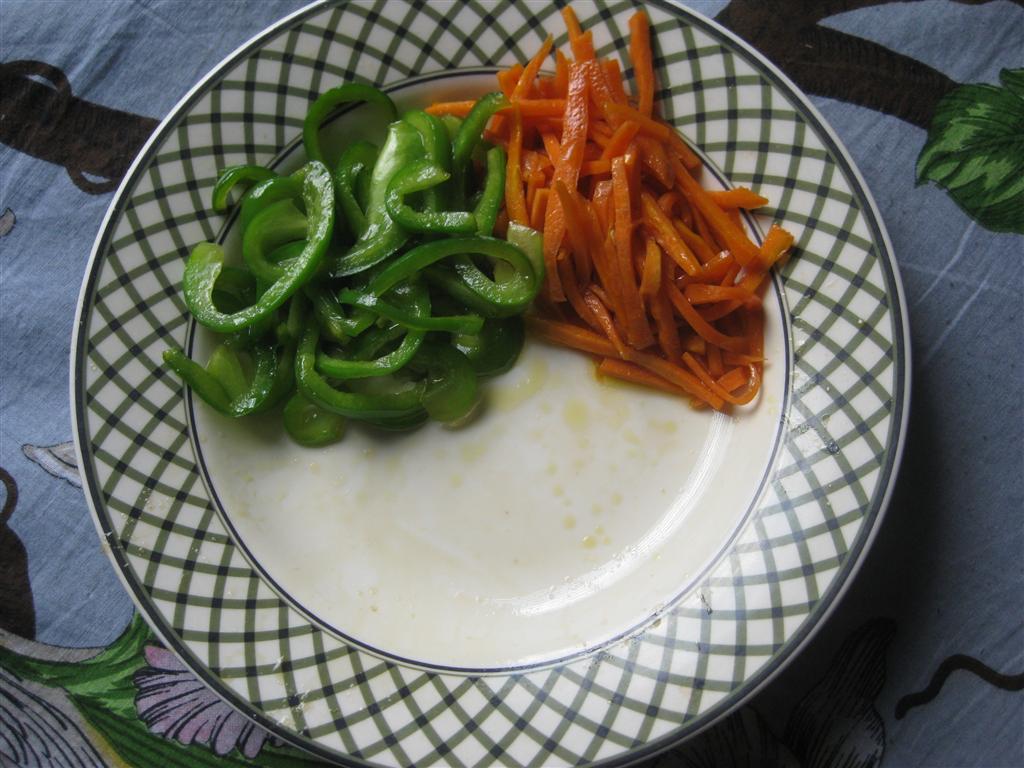
- Chopped capsicum, in any colour you like: half a cup
- Chopped carrot: half a cup
- Chopped yardlong beans (borboti): 3 tablespoons
- Chopped mint leaves: 2 tablespoons
- Water: 2 tablespoons
- Chopped coriander leaves: 2 tablespoons
- Vegetables of your choice: 1 cup
- Salt: to taste
- Chopped green chillies: 1 tablespoon, or to taste
- Chilli flakes: half a teaspoon, or to taste
- Curry powder: 2 teaspoons
- Chopped cheese (paneer): half a cup
- Egg: 1
- Flour (maida): 2 tablespoons
- Breadcrumbs: 1 cup, or as needed
- Oil: for deep-frying
Not everything on the list goes into the filling. The egg, the water and the flour are beaten together to make the coating, the breadcrumbs form the crisp outer layer, and the oil is used only for frying; everything else is mixed together for the lollies themselves, as the method below sets out.
How to make them
The method in the original had four stages: mixing, shaping and coating, chilling, and frying. In order, the steps were these.
- Put all the ingredients except the breadcrumbs, flour, egg and oil into a bowl and mix them together well.
- Shape the mixture into lollipops of the size you like.
- In a separate bowl, beat the egg well with the 2 tablespoons of water and the flour.
- Dip each lollipop in the egg mixture, roll it in the breadcrumbs and fix it on a stick.
- When they are all made, keep them in the fridge for about an hour.
- Take the chilled lollies out and deep-fry them in oil over a low flame.
- Lift the fried lollies onto kitchen towel or tissue paper.
- Serve with a sauce of your choice.
The writers described the result as tasty and crunchy. Because the recipe leaves the size of each lolly, the choice of vegetables, the amount of chilli and the sauce to the cook, it can be adjusted for a family's taste: the original itself marks the green chillies and chilli flakes as "or to taste", which allows a milder version for young children.
The potato and the other crops in the mix
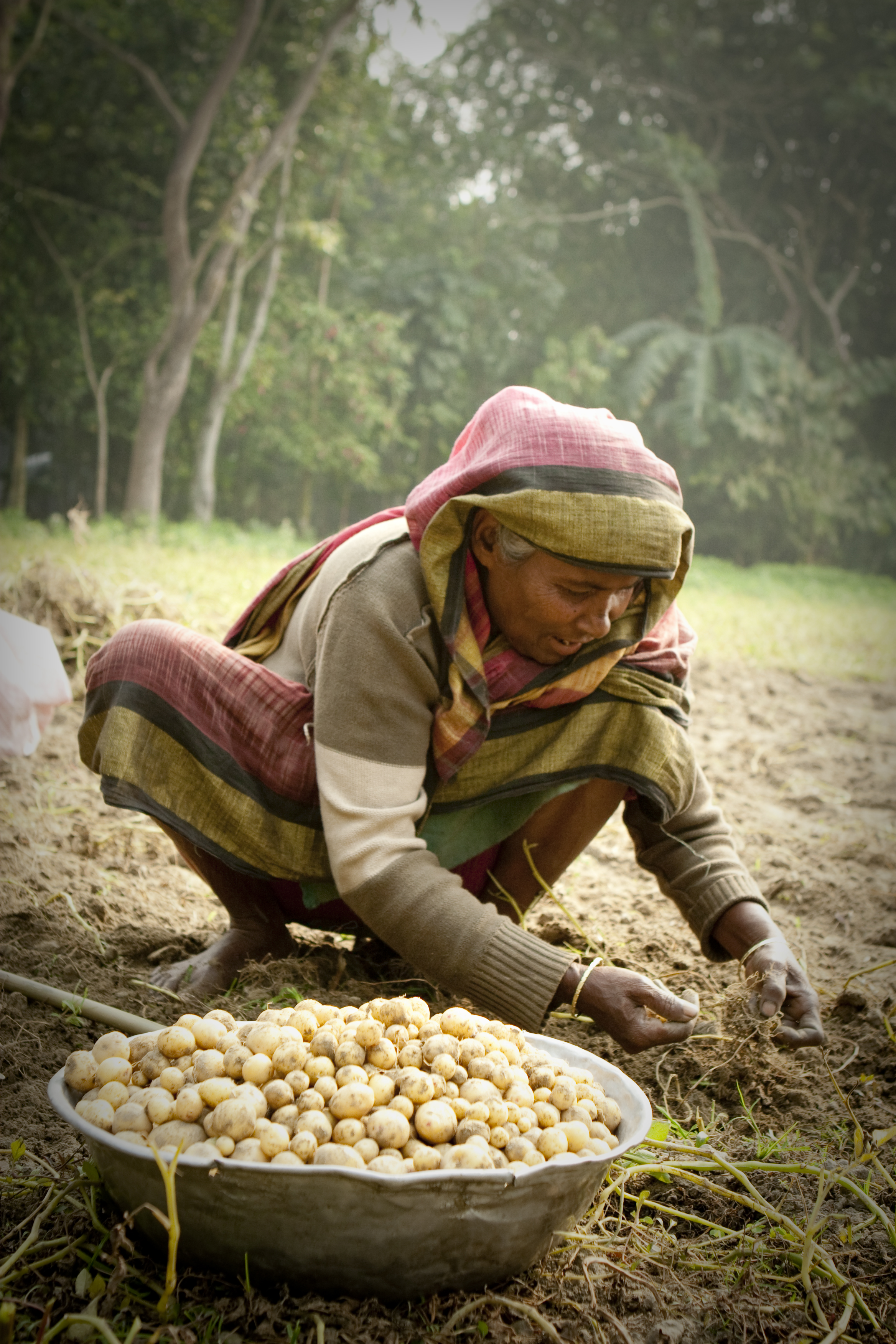
The potato that holds the recipe together is one of the country's main winter crops. Banglapedia describes it as the edible tuber of Solanum tuberosum and as one of the staple foods of Bangladesh. It records that Portuguese navigators are believed to have first brought the potato to India at the beginning of the 17th century, and that potato is now cultivated widely in all the districts of Bangladesh during winter. Nutritionally, the entry says, the tuber is rich in carbohydrates and is a good source of protein, vitamin C, the B vitamins, potassium, phosphorus and iron, with most of the minerals and protein concentrated in a thin layer beneath the skin.
Potatoes were plentiful in the season before the recipe appeared. According to the Department of Agricultural Extension (DAE), as reported by Bonik Barta in November 2025, Bangladesh produced 11.57 million tonnes of potatoes on 494,900 hectares in the 2024-25 season, against a domestic demand of about 8 million tonnes plus about 1 million tonnes set aside for seed. The Department of Agricultural Marketing counted 384 cold storages in the country with a combined capacity of 3.27 million tonnes.
Carrot, the second main vegetable in the lollies, is described in Banglapedia as a winter vegetable, Daucus carota, of the family Umbelliferae, cultivated since the 16th century for its edible root and rich in sugar, carotene, calcium and phosphorus. Its seeds are sown directly in the field during October to December, the roots are ready within three months, and yields range from 5 to 7 tonnes per hectare. The entry notes that carrots are used in salads and as an ingredient of soups and curries, and for juice along with other vegetables.
The vegetables of choice the writers named at the start are also winter crops. Banglapedia describes cauliflower, Brassica oleracea var. botrytis, as a cultivated winter crop whose inflorescence forms a compact, fleshy head, grown in early, mid-season and late varieties; the Bangladesh Agricultural Research Institute (BARI) released a mid-season high-yielding variety named Rupa in 1998. Cabbage is transplanted as 25 to 30-day-old seedlings in October and November, BARI has released two varieties locally known as Provati and Agradoot, and its supply comes mainly from the areas around the cities.
The seasoning comes from crops grown in the same months. Chilli, according to Banglapedia, can be cultivated in both summer and winter, and as a winter crop it is grown mostly in Comilla, Noakhali, Faridpur, Barisal, Patuakhali and Bogra; dry chilli is an ingredient of curry powder. Coriander is a strong-smelling annual herb native to the Mediterranean region that is extensively cultivated as a winter crop in Bangladesh: it is sown in October and November, matures in 90 to 105 days, and its dried seeds are an important ingredient of curry powder, while the young plants are used in chutneys, sauces, curries and soups.
The cheese in the recipe is paneer, which Banglapedia groups with cottage cheese and cream cheese as acid cheeses, made by adding acid to hot milk to form curd; unlike ripened rennet cheeses they take only several hours to prepare. Depending on its texture, the entry says, cheese generally contains 20 to 30 per cent fat, 15 to 20 per cent protein and 4 to 12 per cent salt. Cheese was becoming popular in Bangladesh, it adds, with small and large cheese factories set up in places such as Thakurgaon, Rangpur, Kishoreganj, Sirajganj and Munshiganj.
What the vegetables bring to the plate
The original promised a good combination of taste and nutrition. What the main ingredients contain is set out by health authorities. MedlinePlus, the health information service of the US National Library of Medicine, says vitamin A helps form and maintain healthy teeth, bones, soft tissue, mucous membranes and skin, and supports eyesight, especially in low light. Plant foods supply it as beta-carotene, found in orange and yellow produce such as carrots, sweet potatoes and mangoes; deeper-coloured produce generally contains more. Cheese and eggs, also in the recipe, carry preformed vitamin A. The recommended intake is 300 micrograms a day for children aged one to three, 400 for children aged four to eight and 600 for those aged nine to 13.
Vitamin C, MedlinePlus explains, is needed for growth and tissue repair; the body uses it to make collagen, heal wounds and absorb iron, and since it can neither make nor store the vitamin, it must come from food every day. Green and red peppers, cauliflower and cabbage are among the vegetables with the highest amounts, and potatoes and tomatoes also supply it. The service adds that cooking, long storage and steaming can reduce the vitamin C content of food, and that raw produce is the best source. The recommended daily intake is 15 milligrams for children aged one to three, 25 for those aged four to eight and 45 for those aged nine to 13.
Cheese adds calcium, the most abundant mineral in the body, which builds and maintains bones and teeth. According to MedlinePlus, about 45 grams of most cheeses provides roughly 300 milligrams of calcium, and vitamin D helps the body use it. Children aged one to three need 700 milligrams a day, those aged four to eight need 1,000, and those aged nine to 18 need 1,300.
These nutrients matter in Bangladesh. An advocacy sheet by the Food and Agriculture Organization of the United Nations (FAO) on the role of horticulture in nutrition says a large part of the population suffers from inadequate micronutrient intake because of low dietary diversity, that cereals supplied 70 per cent of dietary energy against a recommended 60 per cent in the 2010 Household Income and Expenditure Survey, and that average fruit and vegetable consumption in 2010 was 211 grams per person a day, against the 400 grams recommended by the World Health Organization (WHO) and FAO. Micronutrient malnutrition, the sheet says, affects more than half of Bangladeshi children and women of reproductive age. It names carrot among the foods high in provitamin A, and gives an example: a quarter cup of pumpkin, a quarter cup of carrot and half a cup of Fazli mango together supply the full recommended daily vitamin A for a child under five. Anyone planning a diet for a child with a health condition, or for themselves, should consult a doctor.
Frying, salt and a balanced plate
Vegetable lollies are a fried snack, and health authorities' advice on frying applies to them. WHO's healthy diet fact sheet, in the version in force at the time, advised eating at least 400 grams, or five portions, of fruit and vegetables a day, excluding potatoes, sweet potatoes, cassava and other starchy roots; the potato in the lollies therefore does not count towards that figure, while the carrot, capsicum, beans and other vegetables do. WHO suggested improving intake by always including vegetables in meals, eating fresh vegetables that are in season and eating a variety of them.
On fat, the same fact sheet advised keeping total fat below 30 per cent of energy intake, saturated fat below 10 per cent and trans fat below 1 per cent, and preferring unsaturated fats such as soybean, sunflower and canola oils to saturated fats, among which it listed butter, ghee, palm oil and cheese. It advised reducing fat intake by steaming or boiling instead of frying, and by limiting baked and fried foods. It also advised adults to keep salt below 5 grams a day, about one teaspoon, and to use iodized salt, noting that cheese is among the processed foods that contribute salt; since the recipe uses both cheese and salt, the salt can be kept light.
The US Food and Drug Administration (FDA) explains, in guidance current as of March 2024, that acrylamide is a chemical that can form in some foods during high-temperature cooking such as frying, roasting and baking. It forms from sugars and an amino acid called asparagine, is found mainly in plant foods such as potato and grain products and coffee, and does not typically form during boiling or steaming; longer cooking at higher temperatures increases the amount. The FDA does not advise people to stop eating fried, roasted or baked foods, but recommends a healthy eating plan overall. For a family, that means treating fried snacks such as these lollies as an occasional change rather than the main way vegetables are served.
Helping children accept vegetables
The idea behind the recipe, that a new presentation can help a child eat vegetables, is close to the advice of the National Health Service (NHS) in the United Kingdom on fussy eating. Its guidance, last reviewed in November 2023, says it may take many attempts before a child accepts some foods, so parents should keep offering a variety and keep returning to foods the child rejected before, since tastes change. Children learn to enjoy new foods by copying adults, so eating together as often as possible helps. Small portions and praise for eating, even a little, are recommended, and a refused food should not be forced: it should be removed calmly and offered again another time.
The NHS adds that changing how a food is served may make it more appealing, giving the example of a child who refuses cooked carrots but will eat raw grated carrot. A crumbed vegetable lolly is one such change; serving the same vegetables raw, steamed or in a curry on other days keeps the variety the guidance recommends.
FAO's advocacy sheet makes a related point for Bangladesh. It recommends cooking demonstrations as part of nutrition education, in which participants learn food preparation methods that reduce nutrient losses and good food combinations, and it notes that the country is fortunate to have a wide range of vegetables and fruits available throughout the year, largely grown in home gardens managed by women close to the household.
Safe handling and frying at home
Because the recipe uses a raw egg coating, chilled storage and hot oil, basic food safety and kitchen safety apply. WHO's Five Keys to Safer Food, published in 2006, sum up food hygiene in five rules: keep clean; separate raw and cooked food; cook thoroughly; keep food at safe temperatures; and use safe water and raw materials. In practice that means washing hands, boards and bowls after handling raw egg, washing the vegetables in safe water before chopping, keeping the shaped lollies in the fridge until they are fried, and frying them until they are cooked through.
Deep-frying is also one of the riskier jobs in a home kitchen. A cooking safety tip sheet from the US National Fire Protection Association (NFPA), dated 2016, says the leading cause of kitchen fires is unattended cooking, and advises staying in the kitchen while frying and turning off the stove if you leave even for a short time. It advises keeping anything that can catch fire, such as oven gloves, wooden utensils, food packaging and towels, away from the stovetop, and having a kid-free zone of at least three feet around the stove and areas where hot food or drink is prepared or carried. That matters for a snack made with children in mind: children can help with mixing and shaping, but the frying is a job for an adult.
If a small pan of oil catches fire, the NFPA sheet advises smothering the flames by sliding a lid over the pan and turning off the burner, and leaving the pan covered until it has completely cooled. If there is any doubt about fighting the fire, it advises getting out, closing the door behind you to help contain the fire, and calling the emergency number from outside the home.
Photo: Biswarup Ganguly / Wikimedia Commons (CC BY 3.0)
Sources: Jagonews24, Banglapedia, Bonik Barta (via FreshPlaza), The Daily Observer (via FreshPlaza), Food and Agriculture Organization of the United Nations (FAO), World Health Organization (WHO), MedlinePlus (US National Library of Medicine), US Food and Drug Administration (FDA), National Health Service (NHS), National Fire Protection Association (NFPA)


Comments
(0)