
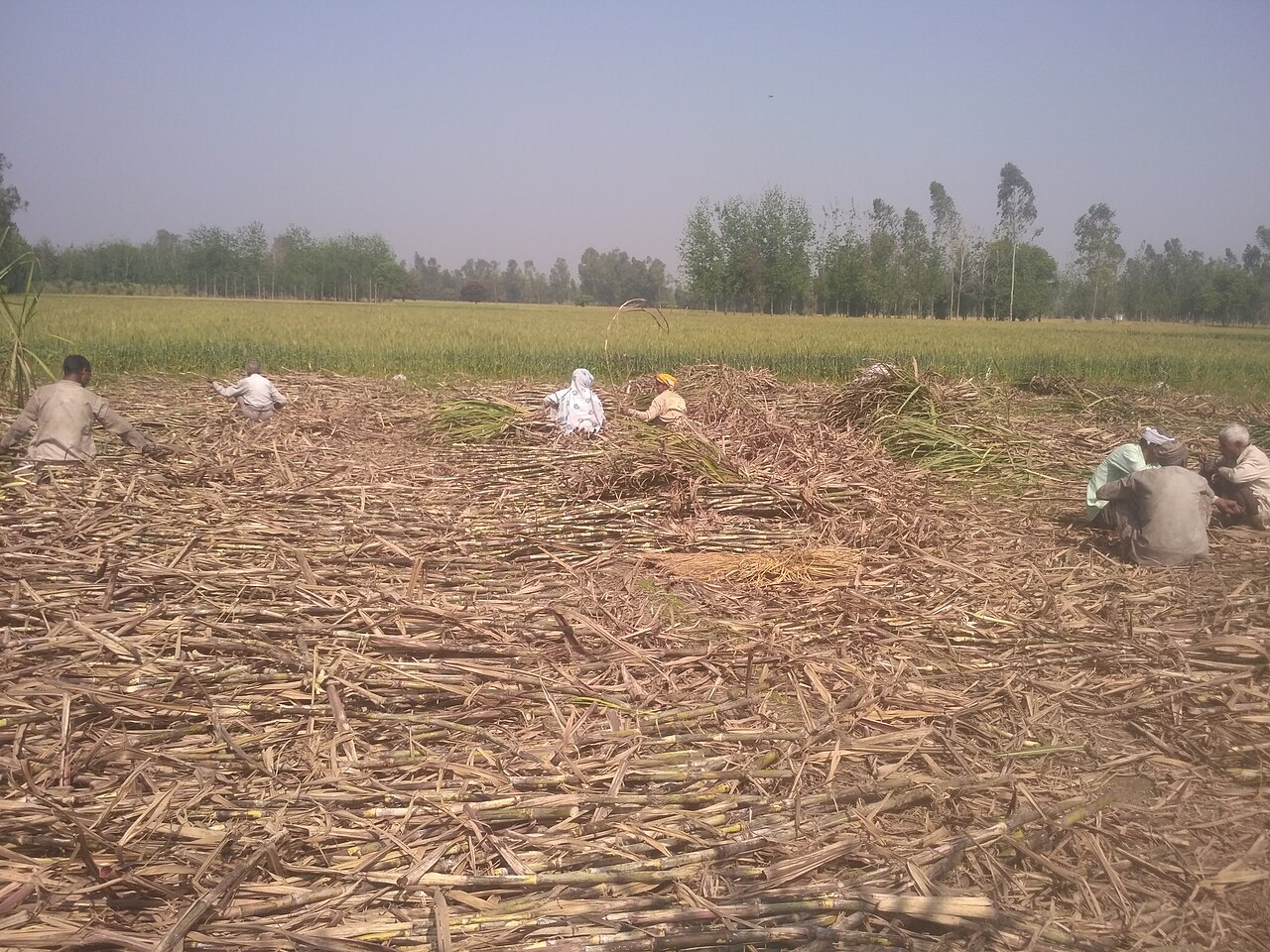
Uttar Pradesh has approved four new high-yielding sugarcane varieties for cultivation, giving farmers alternatives to the widely grown Co.0238, which has become increasingly vulnerable to disease, particularly red rot, Rural Voice reports. The decision was taken on 29 September by the state's Seed Cane and Sugarcane Variety Release Sub-Committee, chaired by the Sugarcane and Sugar Commissioner.
Three come from the Uttar Pradesh Council of Sugarcane Research in Shahjahanpur. The early-maturing CoS.23232 averaged 95.56 tonnes per hectare as a plant crop, 9.44 percent more than Co.0238, with higher sugar content (13.10 percent in November rising to 14.05 percent in March), a ratoon yield of 80.57 tonnes, red rot resistance and good ratooning. The mid and late-maturing CoS.19235 and CoS.18232 averaged 87.58 and 92.38 tonnes per hectare, 21.01 and 26.51 percent above the standard CoS.767.
The fourth, the early-maturing CoLk.21201 from the ICAR-Indian Institute of Sugarcane Research in Lucknow, averaged 86.57 tonnes per hectare, broadly level with Co.0238, with high red rot resistance and good ratooning, and is approved across the state.
The committee also adopted eight varieties notified by the Government of India: CoP.16437 and CoP.11438 for eastern Uttar Pradesh, and CoLk.16466, Co.16030, Co.17018, Co.18022, CoPb.17215 and CoPb.18213 for the west and centre. Six old, little-grown varieties will be phased out over two years. The commissioner said the new varieties should raise cane productivity, farm incomes and sugar recovery.
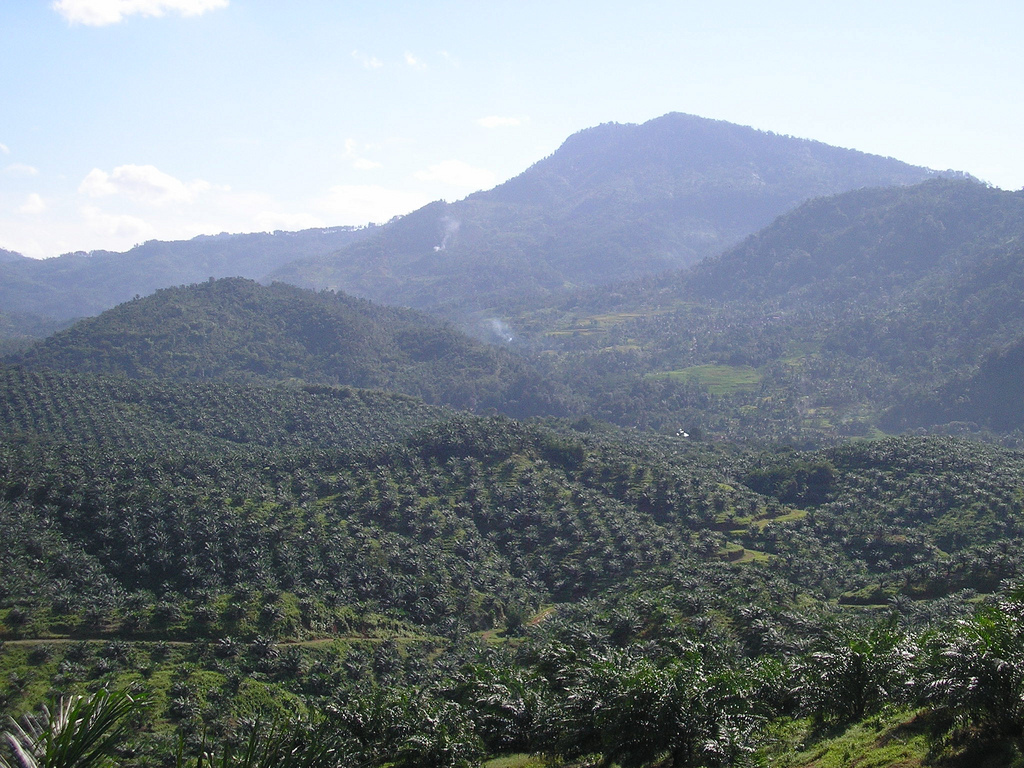
Photo: Ravityagijiffy / Wikimedia Commons (CC BY-SA 4.0)
Source: Rural Voice
Comments
(0)