
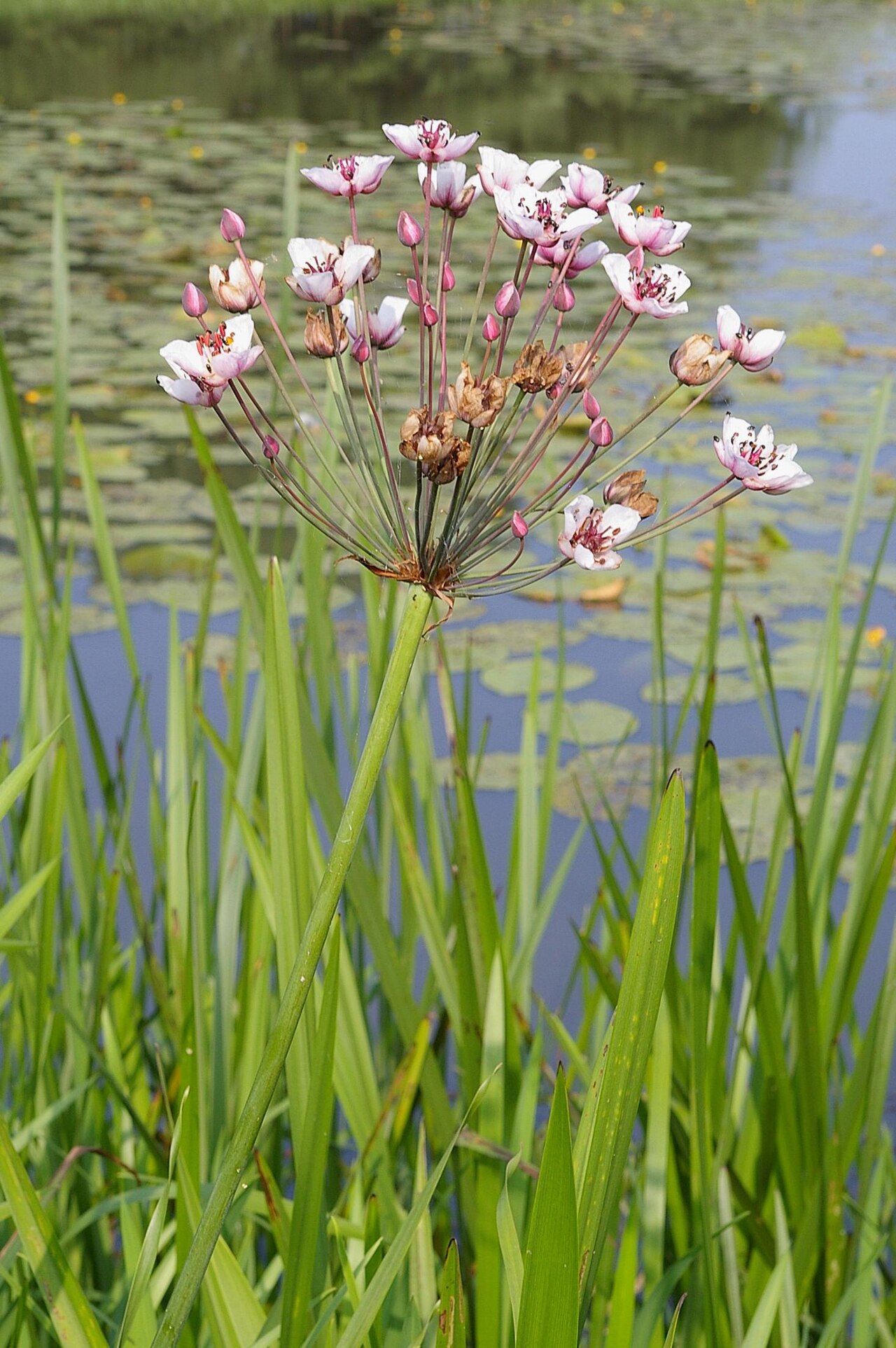
The US Department of Agriculture will issue permits to release a European weevil, Bagous nodulosus, against flowering rush, an invasive aquatic plant spreading across the West that clogs irrigation ditches, degrades waterfowl habitat and harbours the cause of swimmer's itch. USDA announced on 15 October that the weevil will not attack native plants, confirming a 2024 finding.
Flowering rush, native to Europe, Asia and northern Africa, reached Canada by 1897 and now grows in 23 US states. It is hard to remove by machine or hand, and herbicides have limited effect on the underwater plant, according to USDA's Animal and Plant Health Inspection Service. It thrives in wetlands, lakes, ditches and slow rivers, and shelters an invasive snail that hosts the swimmer's itch parasite.
The biological control works like this: the weevil lays eggs in the submerged plant and its larvae eat the leaves. Research in Switzerland showed it is "not interested in any other plant species", said Jennifer Andreas, Washington State University Extension professor and the state's weed biocontrol specialist. It is not expected to wipe out flowering rush, but to stunt it so native plants can take over.
Northwest weed experts began building the case in 2012 and petitioned USDA in 2022. Swiss weevils go first to a USDA Agricultural Research Service centre in Sidney, Montana; second-generation insects have gone to WSU's Puyallup research centre, which received 22 in July and is rearing them in 300-gallon tanks, and to the Montana Biocontrol Project in Missoula. WSU hopes to build a population for release around the state within one to two years and expects more weevils in spring.
In Washington, flowering rush is in Whatcom and Pierce counties and is moving down the Columbia, Yakima and Spokane rivers, though control measures have slowed it more than experts expected. The report is by Don Jenkins for Capital Press.
Photo: Christian Fischer (flowering rush, Butomus umbellatus) / Wikimedia Commons (CC BY-SA 3.0)
Source: Capital Press



Comments
(0)