
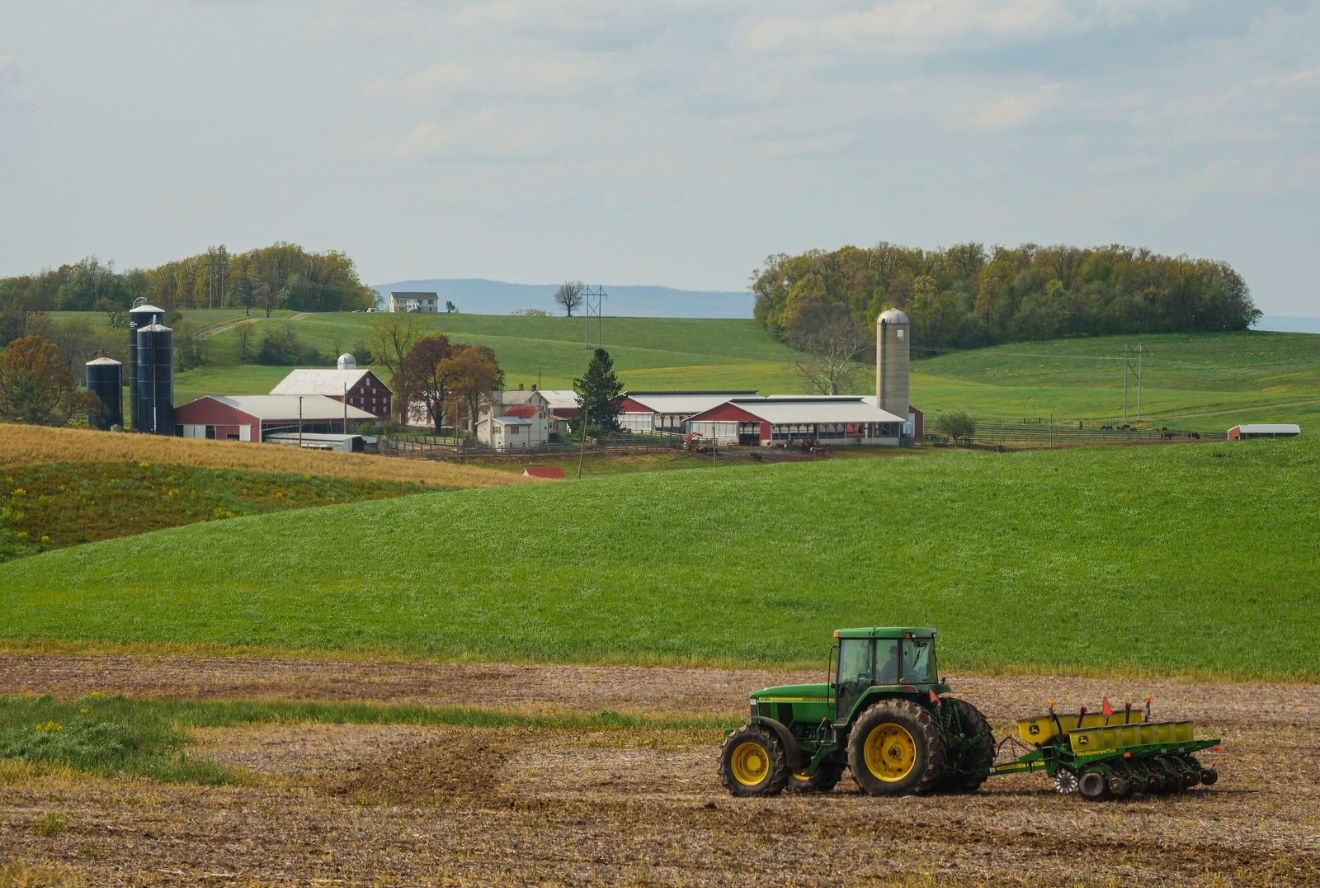
The US Department of Agriculture has announced more than $325 million for 42 projects that help farmers, ranchers and forest landowners improve their operations and conserve natural resources, through the Regional Conservation Partnership Program (RCPP). Agriculture Secretary Brooke Rollins made the announcement in Cedar Rapids, Iowa, on 26 October.
RCPP pairs federal funds with money from private and public partners to tackle natural resource problems on farmland. USDA says it has streamlined partnership agreements and made the programme more flexible in the past year, and that 75 percent of this year's $325 million will go directly to farmers or to the cost of putting conservation practices in place.
The largest example given is in Iowa, where the state's Department of Agriculture and Land Stewardship will run a project across western and central Iowa combining cover crops, forage and biomass plantings, livestock watering systems and other practices. USDA says it will plant more than 300,000 acres of cover crops and reduce losses by roughly 3.3 million pounds of nitrogen, 336,000 pounds of phosphorus and 1 million tons of soil. Iowa agriculture secretary Mike Naig said the state's Cattle and Conservation Working Lands Program, a 2016 pilot in Taylor County, shows that water quality can be improved while rebuilding the cattle herd.
Other projects include the Longleaf Landscape project in southwest Georgia, led by Tall Timbers Research, which aims to protect at least 6,000 acres of working forest through voluntary conservation easements across 16 counties and restore fire-dependent longleaf pine; the Texas Coastal Prairie Working Lands Partnership, which will place easements on the Gulf Coast's remaining coastal tallgrass prairie; and the second phase of the Nooksack watershed restoration in Washington, led by the Lummi Nation and the Nooksack Indian Tribe, which will install engineered logjams and plant riparian trees across 256 acres to improve habitat for endangered salmon.
Colton Buckley, chief of USDA's Natural Resources Conservation Service, said the investments would help producers address local resource challenges and keep working lands productive. USDA said the Working Families Tax Cuts Act funds RCPP through fiscal year 2031.
Source: USDA

Comments
(0)