
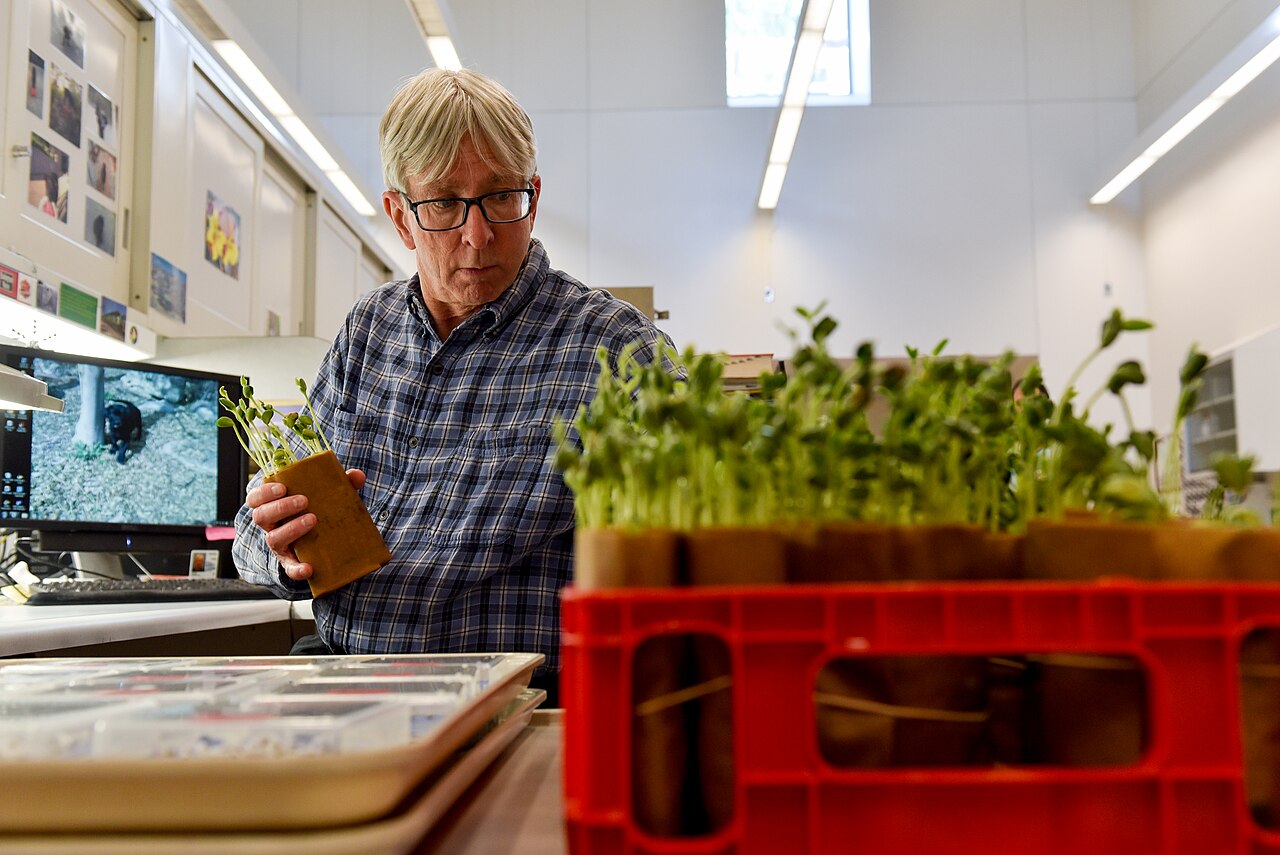
The US Department of Agriculture is spending $180 million on a Seed Sovereignty Initiative that will sequence the plant collections held in its gene bank and use the genetic information to breed new crop varieties. Agriculture Secretary Brooke L. Rollins announced the programme in Washington on 6 October.
The money goes to the National Plant Germplasm System (NPGS) run by USDA's Agricultural Research Service. The system holds more than 600,000 accessions, samples of seed and other plant material, representing over 16,000 species. Much of that material has not been fully sequenced, and the department says the genetic information inside the US collections has not yet been put to use.
Over two years USDA will characterise and sequence many of the NPGS collections, starting with those of the major crops, and use advanced tools including artificial intelligence to identify valuable traits and find gaps in what is held. The department says the work should help researchers respond faster to new pests and diseases and support the breeding of new varieties for American farmers and consumers.
"The National Plant Germplasm System contains tremendous untapped potential for American agriculture," said Scott Hutchins, USDA's Under Secretary for Research, Education, and Economics and its chief scientist. "Modern sequencing will allow us to unlock that potential and put it to work for American farmers."
The department presents the programme as a matter of security. It says foreign competitors are acquiring and sequencing plant genetic resources from around the world, and that the initiative is meant to reduce the risk of the United States depending on other countries for seed. Rollins said the country "cannot afford to depend on foreign adversaries for next year's crop".
USDA is also widening its existing memorandum of understanding with the Department of Justice on competition in farm input markets, with a continued emphasis on seeds. The department says the aim is more transparency, stronger competition and more choice for farmers buying seed.
Gene banks such as the NPGS keep the old varieties, landraces and wild relatives that breeders go back to for resistance to disease, heat or drought. Sequencing turns that stored material into data that breeders can search.
Photo: U.S. Department of Agriculture / Wikimedia Commons (Public domain)
Source: USDA
Comments
(0)