
The amount of red meat, poultry and eggs available to each American consumer was projected to increase in 2026 and rise further in 2027, according to a Chart of Note published on 4 June 2026 by the Economic Research Service (ERS), the research arm of the U.S. Department of Agriculture (USDA). The chart, prepared by ERS economist Grace Grossen, was drawn from the ERS Livestock, Dairy, and Poultry Outlook released on 18 May 2026.
The latest USDA data at the time put 228.8 pounds of beef, pork, broilers and turkey and 22.5 dozen eggs available per U.S. consumer in 2026. By 2027, per capita availability was forecast at 229.4 pounds for the four meats and 22.9 dozen eggs.
What per capita availability measures
The figures come from USDA's forecast of per capita supply available for use on the domestic market. ERS treats availability as a proxy for consumption; it covers fresh and processed meat and eggs sold through grocery stores and used in restaurants. The Outlook describes the domestic figure as the volume of production that remains for domestic use after accounting for net trade and changes in cold storage. The population used is the resident population plus Armed Forces overseas.
The ERS Food Availability (Per Capita) Data System notes that these data serve as proxies for actual consumption at the national level and are not adjusted for spoilage, plate waste and other losses. Meat is counted on a retail weight basis, and one pound is exactly 0.45359237 kilograms.
Chicken keeps gaining, turkey turns up
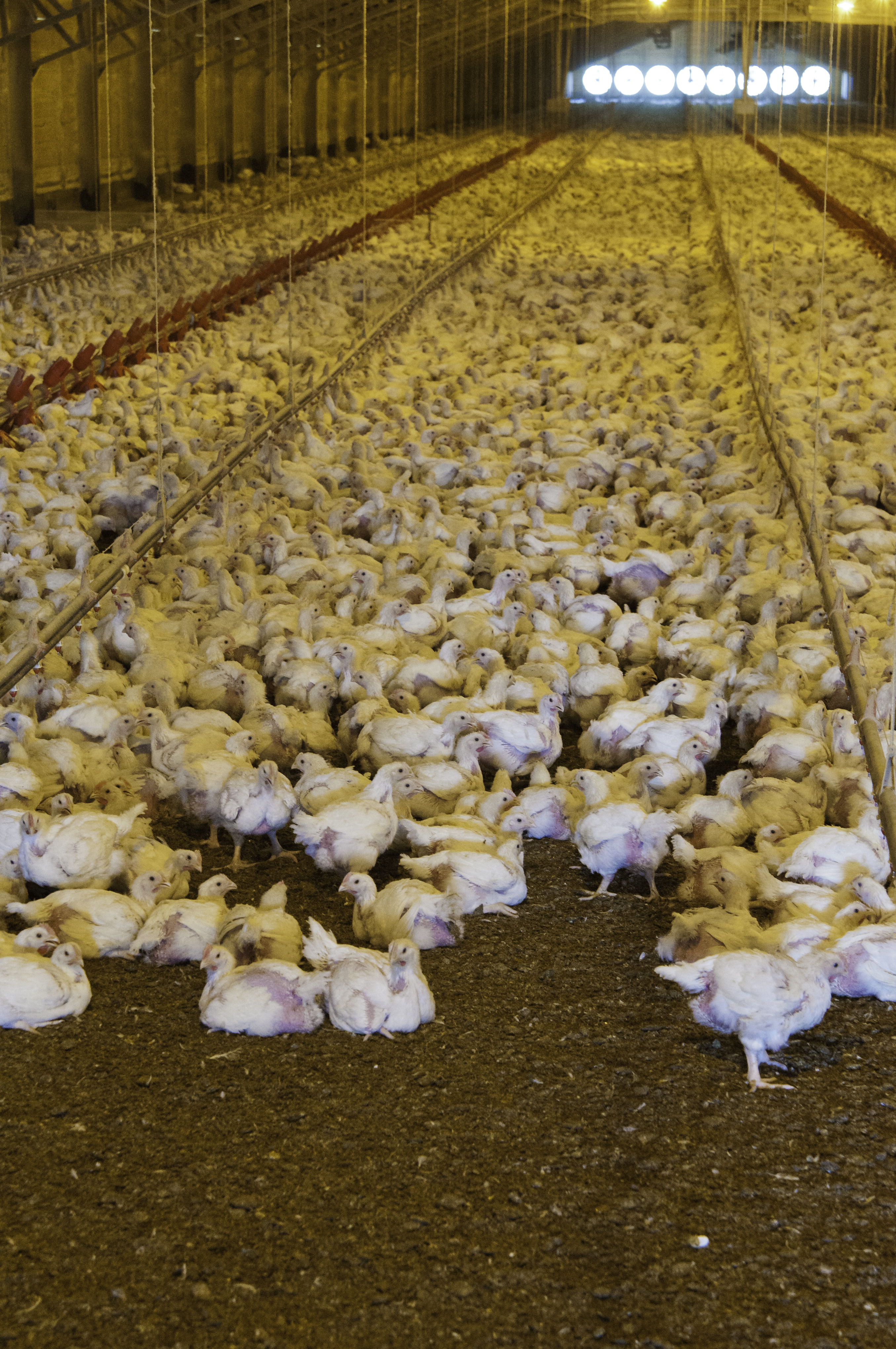
Broiler chicken is the most consumed animal product in the United States, and its per capita availability has been growing for many years. It was projected to reach 105.6 pounds in 2026 and 106.5 pounds in 2027. The May Outlook put 2026 broiler production at 49,146 million pounds, up 2.4 percent from 2025, and projected a further 1 percent growth in 2027.
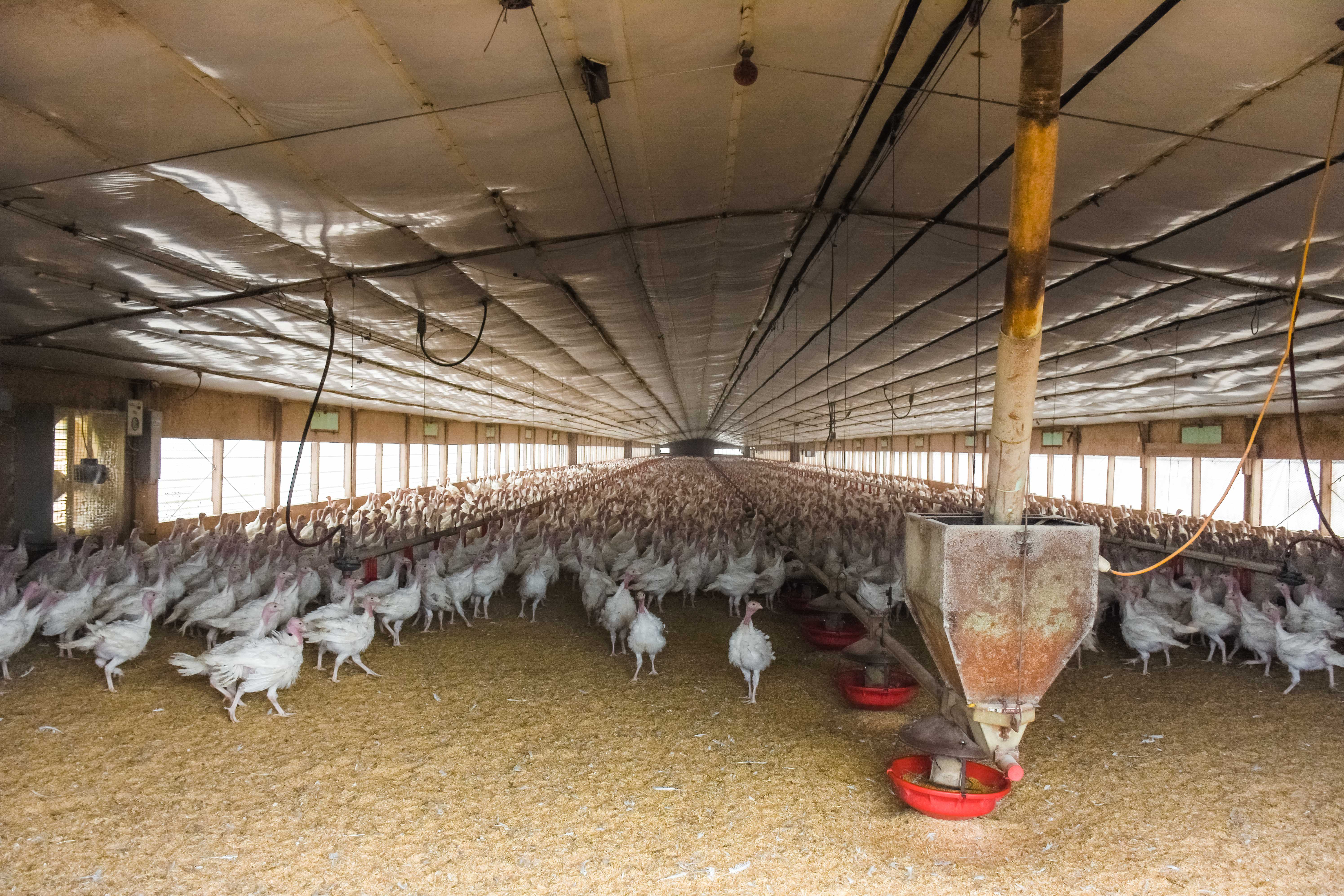
Turkey availability had been falling in recent years but was projected to turn up, to 13.6 pounds per person in 2026 and 13.8 pounds in 2027. The Outlook projected 2026 turkey production at 5,055 million pounds, 4.3 percent above 2025 but still below pre-2022 levels. Highly pathogenic avian influenza (HPAI) cost 1.2 million meat turkeys in the first four months of 2026, against 1.6 million in the same period of 2025.
Eggs recover after bird flu losses
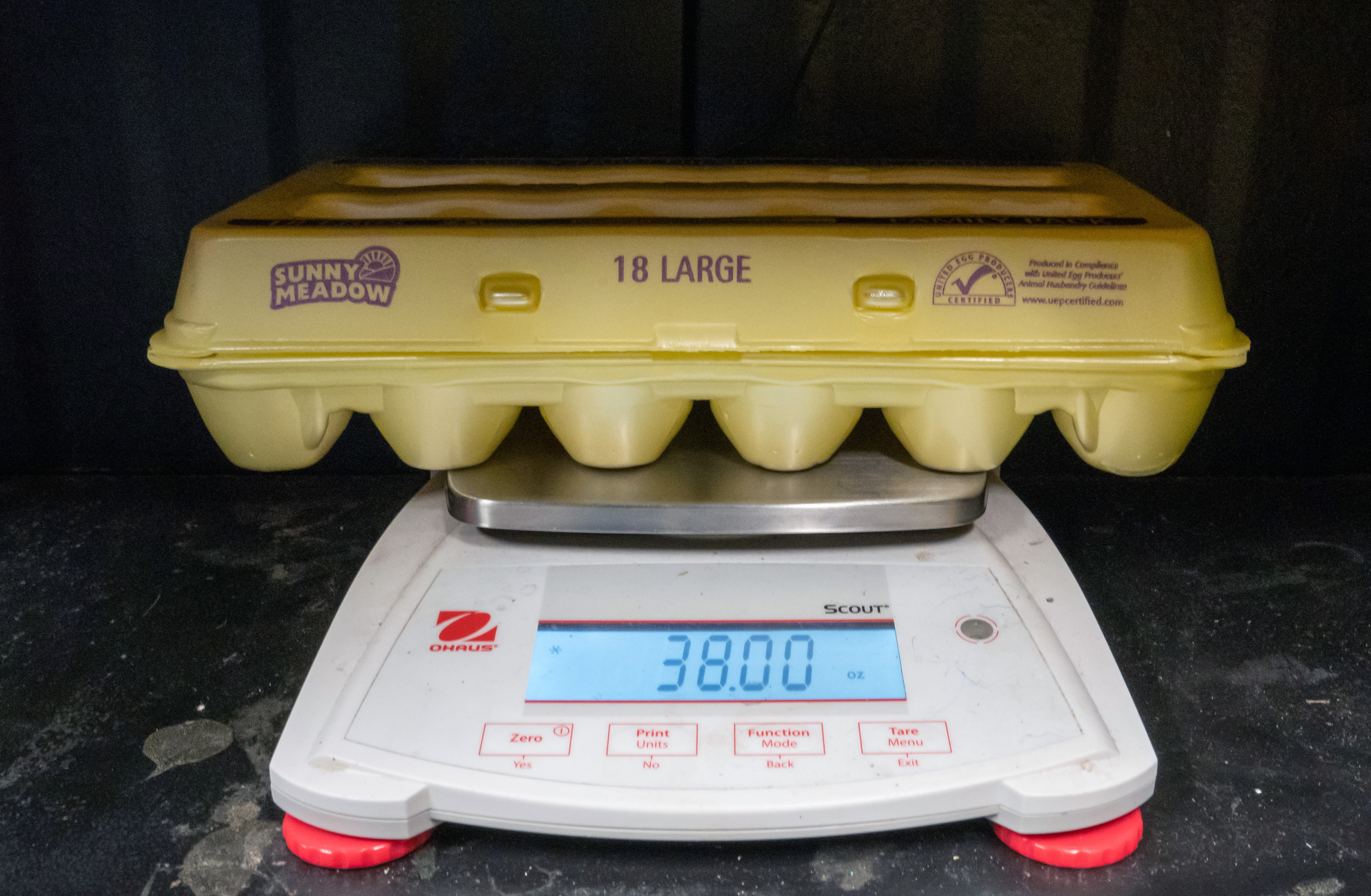
Table egg availability was projected at 22.5 dozen per person in 2026 and 22.9 dozen in 2027. According to the Outlook, after losing 151.2 million layers to HPAI between February 2022 and April 2026, the table-egg layer flock had been expanding. Table egg production was projected at 7,827 million dozen in 2026, up 4.4 percent from 2025, and 8,020 million dozen in 2027. The May report trimmed the 2026 projection because April 1 flock data pointed to a slower expansion.
Beef to ease, pork edges up
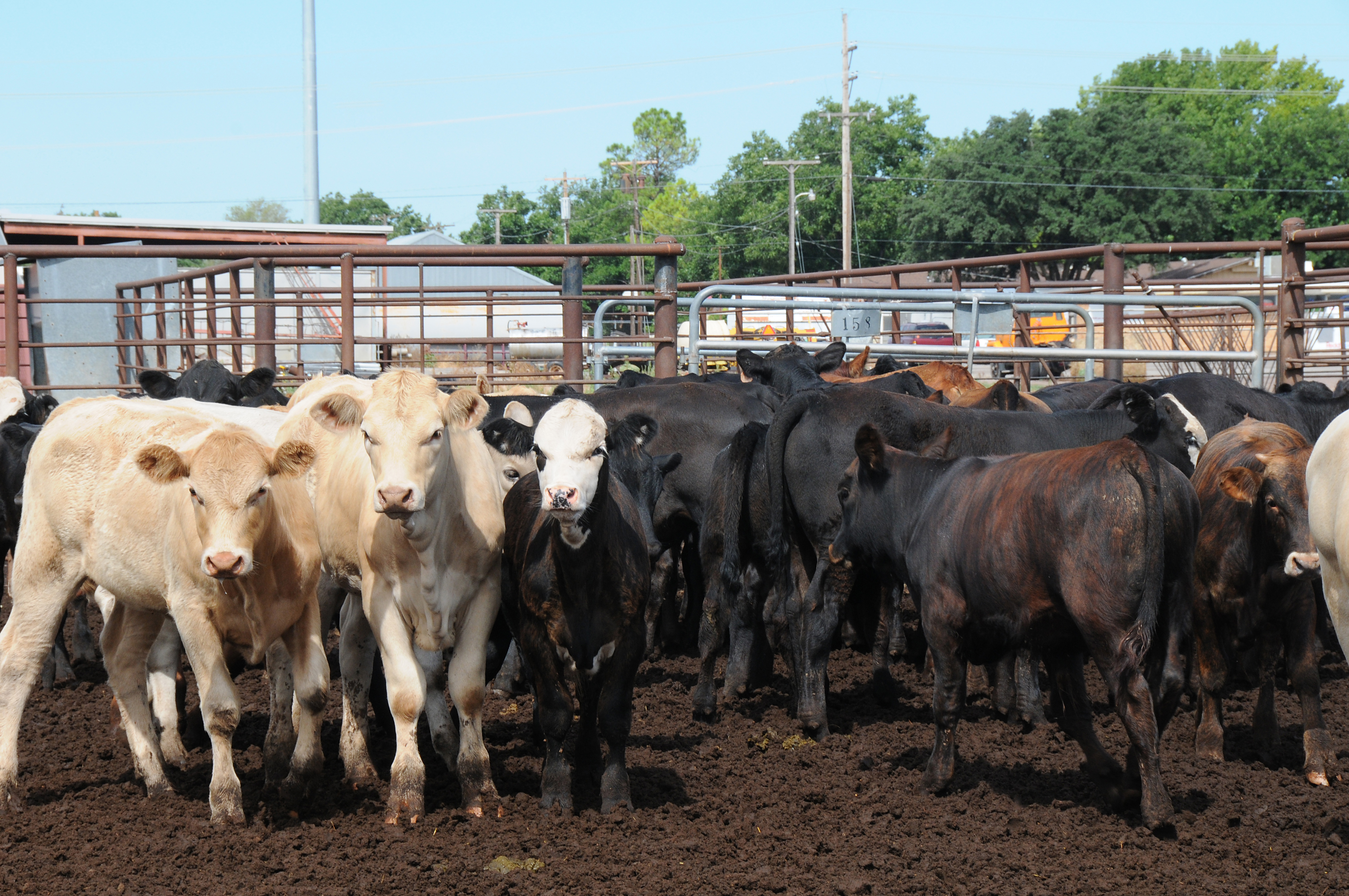
Beef availability for 2026 was projected at 60.0 pounds per person, slightly higher than in 2025, before easing to 59.2 pounds in 2027. The Outlook linked the decline to seven years of falling beef cow inventories (2020 to 2026), which have produced smaller calf crops and fewer cattle for slaughter. Beef production in 2027 was forecast to fall 0.9 percent to 25.310 billion pounds, the lowest volume since 2016, yet per capita beef in 2027 was still expected to stay above its 10- and 20-year averages.
Pork was projected at 49.6 pounds per person in 2026 and 49.9 pounds in 2027, up slightly from 49.3 pounds in 2025. The Outlook forecast 2027 commercial pork production at 28.255 billion pounds, up 1 percent from 2026, with 25.9 percent of production expected to be exported.
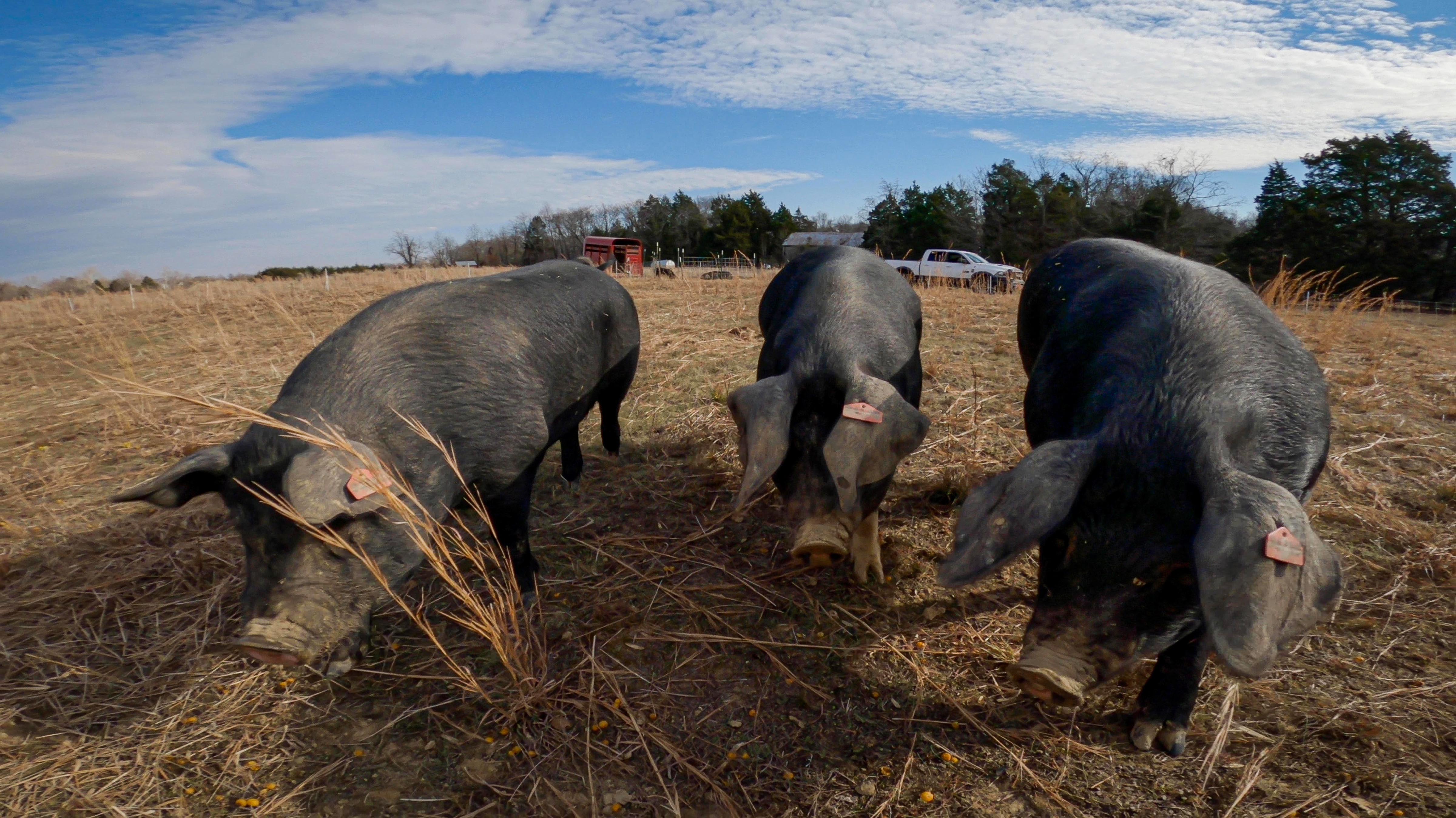
Photo: Bob Nichols, USDA / Wikimedia Commons (Public domain)
Sources: USDA Economic Research Service (Chart of Note, 4 June 2026), ERS Livestock, Dairy, and Poultry Outlook (May 2026), ERS Food Availability (Per Capita) Data System, Wikipedia


Comments
(0)