
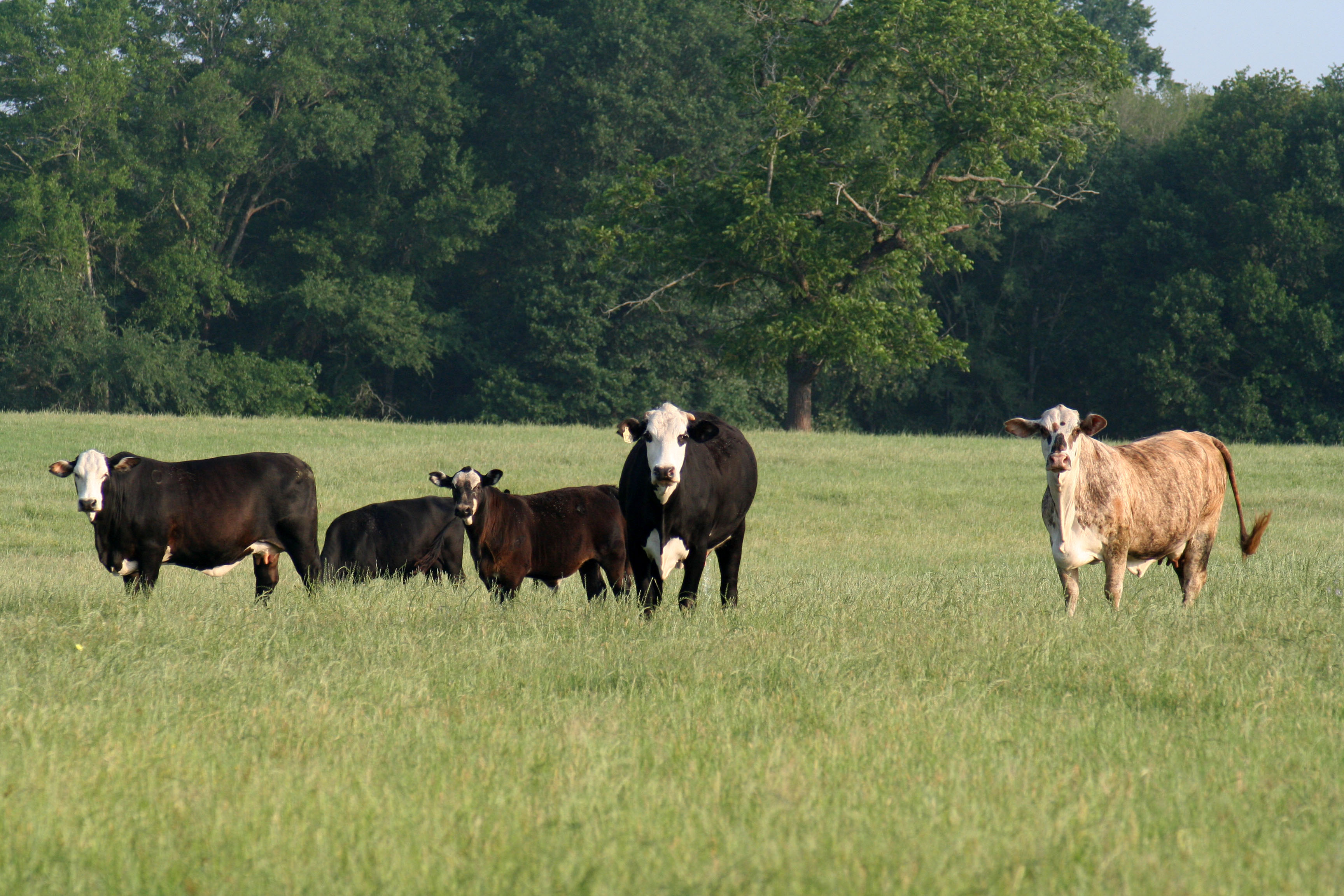
There were 94.2 million head of cattle and calves on farms in the United States on 1 July 2026, slightly above the 94.0 million counted on 1 July 2025. The figure came from the Cattle report released on 24 July 2026 by the National Agricultural Statistics Service (NASS) of the US Department of Agriculture, which headlined it "United States Cattle Inventory Up Slightly".
Cows, heifers, steers and bulls
Of the total, cows and heifers that had calved numbered 38.1 million, unchanged from a year earlier. Beef cows stood at 28.5 million head, down 1 percent, while milk cows rose to 9.65 million, up 2 percent on the previous year.
- All heifers of 500 pounds and over: 14.7 million head, 1 percent above the 14.6 million of July 2025
- Beef replacement heifers, kept back to join the breeding herd: 3.80 million, up 3 percent
- Milk replacement heifers: 3.60 million, up 3 percent
- Other heifers: 7.30 million, 1 percent lower
- Steers of 500 pounds and over: 13.9 million, up 1 percent
- Bulls of 500 pounds and over: 1.90 million, unchanged
- Calves under 500 pounds: 25.6 million, unchanged
A smaller calf crop and fuller feedlots
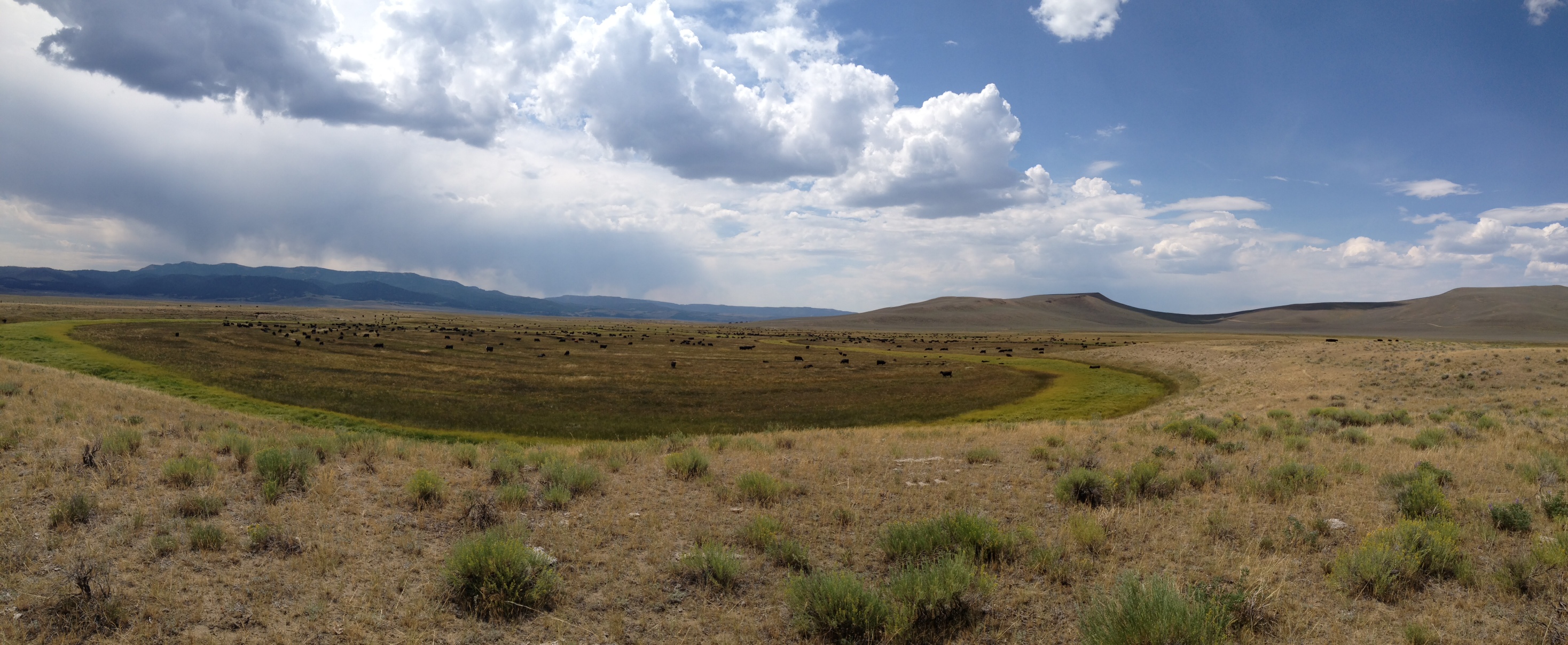
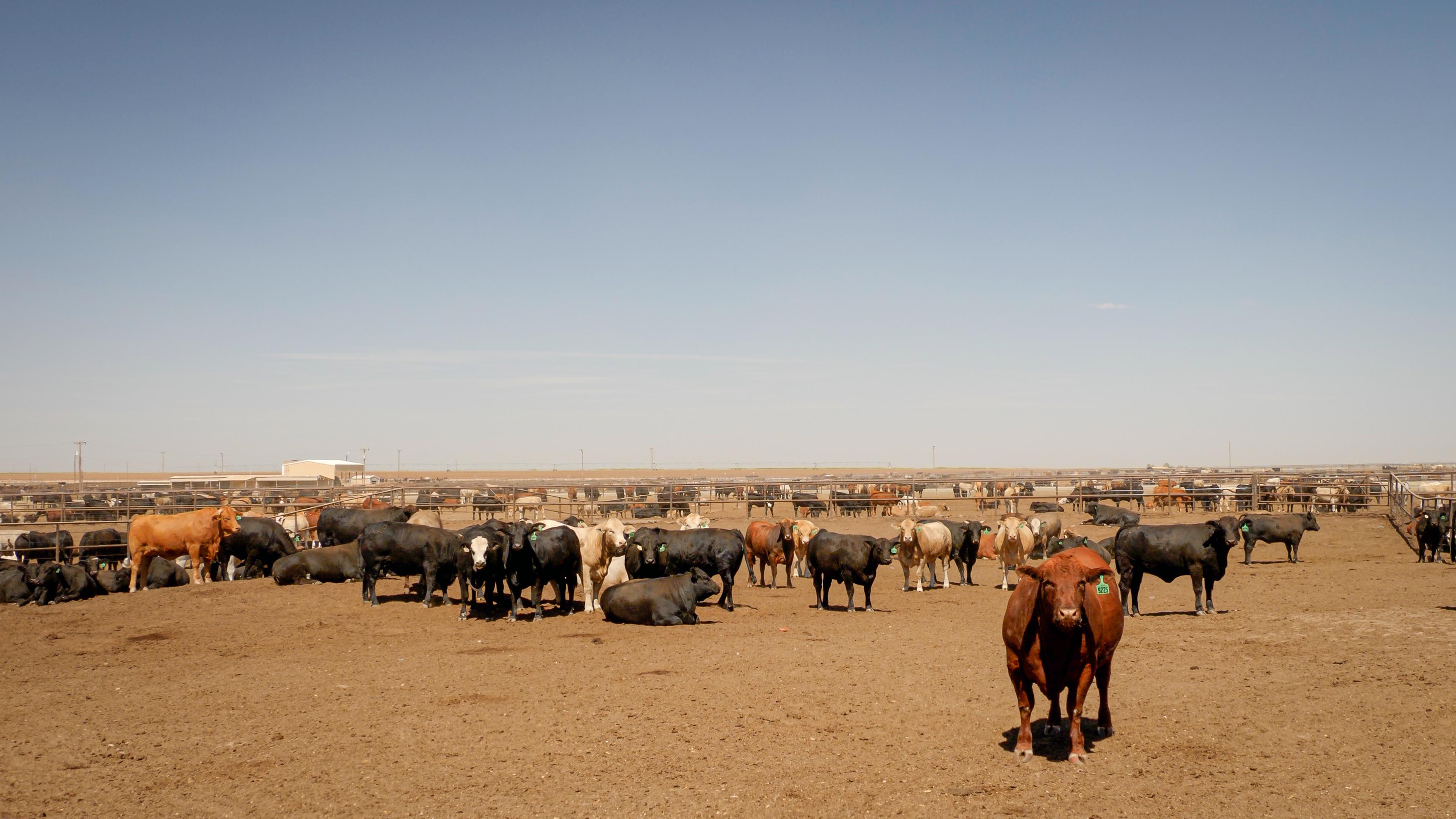
NASS expected the 2026 calf crop to reach 32.5 million head, 2 percent fewer than in 2025. Cattle and calves on feed for the slaughter market in all feedlots totalled 13.2 million head on 1 July, up 2 percent from a year earlier. Brownfield Ag News noted that although the 2026 calf crop would be smaller, the retention of replacement heifers could lift calf numbers in 2027.
Two counts a year, and the return of the July report
NASS takes stock of the national herd twice a year, on 1 January and 1 July. Its report of 30 January 2026 put the 1 January inventory at 86.2 million head, which the agency described as down slightly, with 27.6 million beef cows, 9.57 million milk cows and 13.8 million head on feed.
The July count has not always been published. According to the High Plains Journal, it was dropped in 2024 under budget constraints, and on 19 March 2025 NASS announced that it was reinstating the July Cattle report. For the 2026 edition the agency surveyed more than 17,400 operators across the country in the first half of July, who reported their 1 July inventories and their calf crop for the year online, by mail or by telephone.
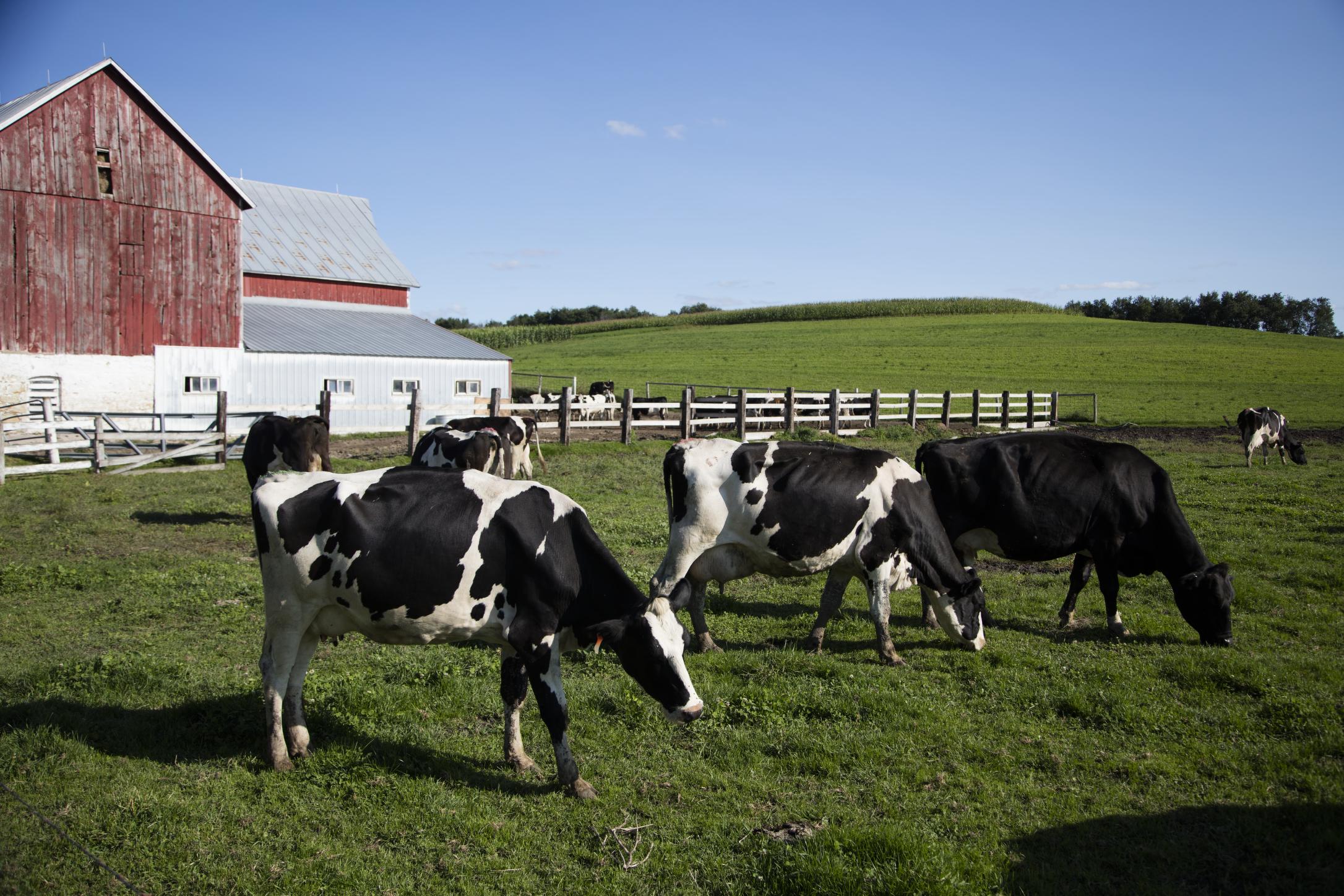
Photo: USDA NRCS Texas (Beverly Moseley) / Wikimedia Commons (public domain)
Sources: USDA National Agricultural Statistics Service (Cattle reports, July and January 2026; notice, March 2025), Brownfield Ag News, High Plains Journal
Comments
(0)