
GLP-1 weight-loss medications are starting to change what Americans buy for dinner, and that is opening opportunities for parts of animal agriculture, Brian Earnest, lead economist for animal protein at CoBank's Knowledge Exchange, told the NAFB News Service in a report carried by Michigan Ag Today on 30 October.
Earnest said an estimated one in four US households has someone using a GLP-1 drug, and many of those users decide what the household buys. Survey data are now beginning to show how they spend on animal protein. "Chicken works very well with a GLP-1 user who is trying to reduce caloric intake, but also increase protein as the portion of their caloric intake," he said.
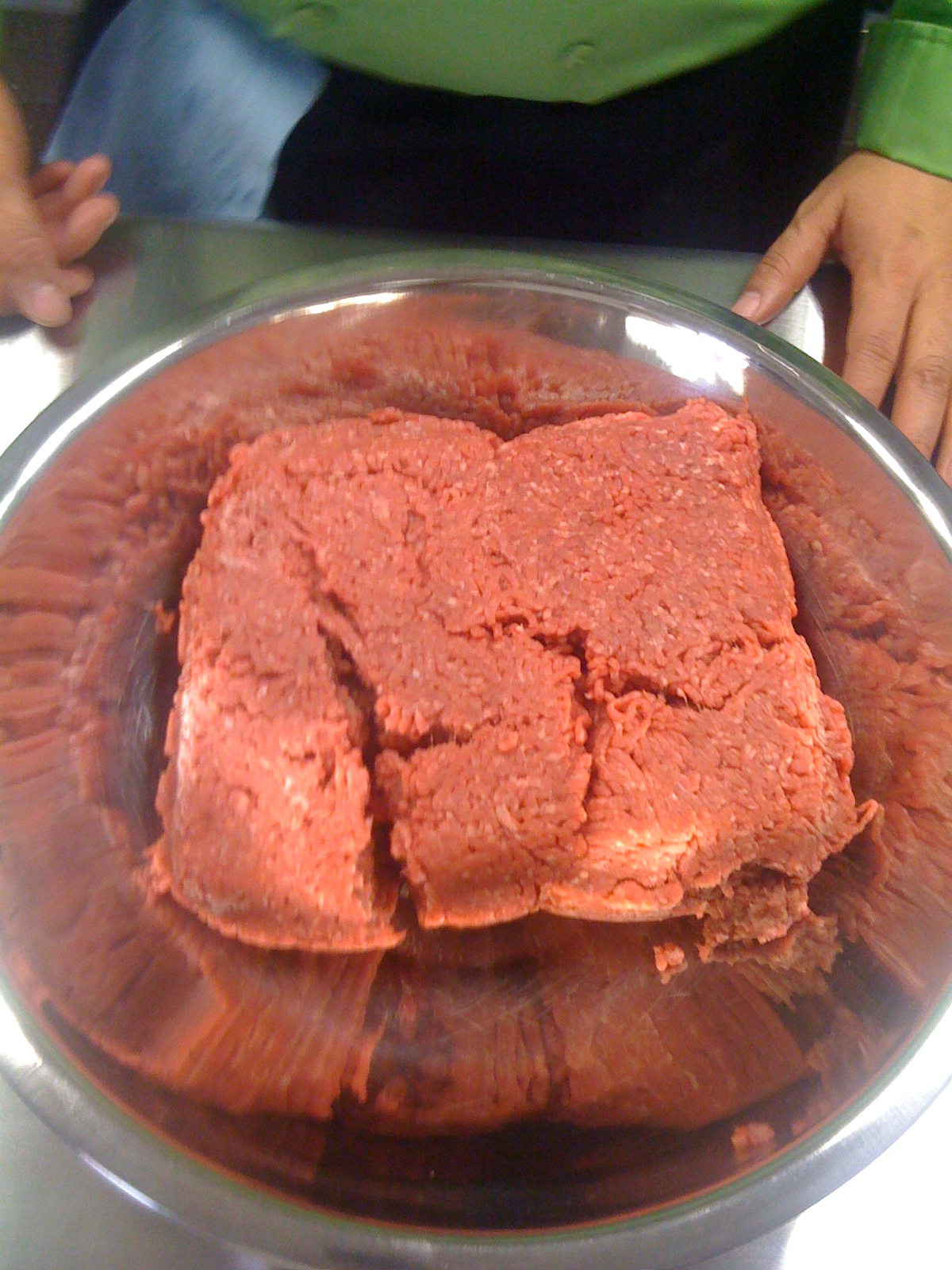
These shoppers are also choosier about type and portion size, and willing to pay more for quality. "When we think about the beef side of the equation, they're more receptive to a high-quality beef item, but they may not need a tomahawk ribeye," Earnest said. "It may be a higher-quality ground beef item in a small four-ounce portion."
The shift towards smaller, leaner beef portions matters for US cattle producers, he said. With carcasses getting larger and US cattle carrying more fat, processors need extra lean beef to meet demand, which is one reason beef imports have risen. As the drugs spread, Earnest said, the animal protein industry will have to adapt to consumers who want more protein, higher quality and smaller portions.
Photo: Saloca / Wikimedia Commons (CC BY-SA 3.0)
Source: Michigan Ag Today


Comments
(0)