
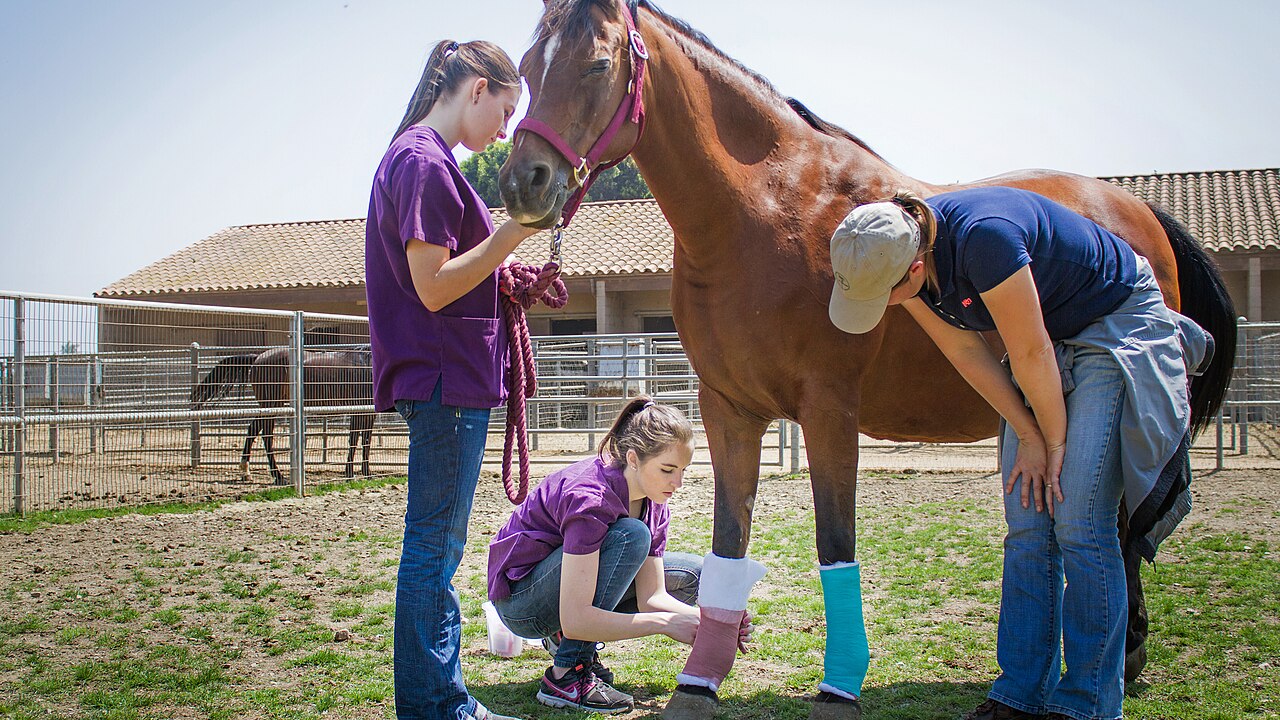
More than 500 counties in 46 US states had a shortage of large-animal veterinary care in 2025, according to US Department of Agriculture estimates, and livestock producers in rural areas are finding mixed and large-animal practices harder to reach, Northern Ag Network reported on 30 October.
The issue was the subject of a premiere in Livingston, Montana, for the third season of Zoetis' Born of the Bond documentary series, which features Stillwater Veterinary Clinic in Absarokee and how it changed its care model and recruited another vet to cover a large area. Owner and partner Lacey Fahrmeier told Northern Ag Network's Colter Brown that the answer starts with "recruiting the right people who have that community mindset, that want to live this lifestyle and serve producers."
Money is the other half. Veterinary graduates often leave school with $200,000 in student loans, and opening a practice needs more investment in equipment and buildings. Fahrmeier said help with the cost of setting up in underserved areas could make a difference, and that new vets need mentors long after graduation. Jesse Olsen of the same clinic said loan repayment programmes tied to service in underserved areas cut debt while bringing care to rural communities. Rosslyn Biggs, director of the Center for Rural Veterinary Medicine at Oklahoma State University, stressed job shadowing, mentoring and internships, and honesty about the rewards and the hardships.
Keeping vets is as hard as finding them. Todd Gunderson, a clinical assistant professor at Kansas State University, said surveys show that being on call for emergencies around the clock is among the most cited reasons vets leave large-animal and rural practice, while a survey of cow-calf producers found most value emergency availability above everything else. At Stillwater, Fahrmeier said, "just the addition of one more veterinarian in the practice made a big difference for the entire team" by sharing on-call duty.
Gunderson pointed to the Veterinary Training Program for Rural Kansas: 95% of its graduates are fulfilling or have fulfilled a commitment to practise in a rural county, and of those who finished their four-year commitment, 86% remain in a qualifying county and 92% still practise in Kansas.
Photo: Monirb / Wikimedia Commons (CC BY-SA 4.0)
Source: Northern Ag Network
Comments
(0)