
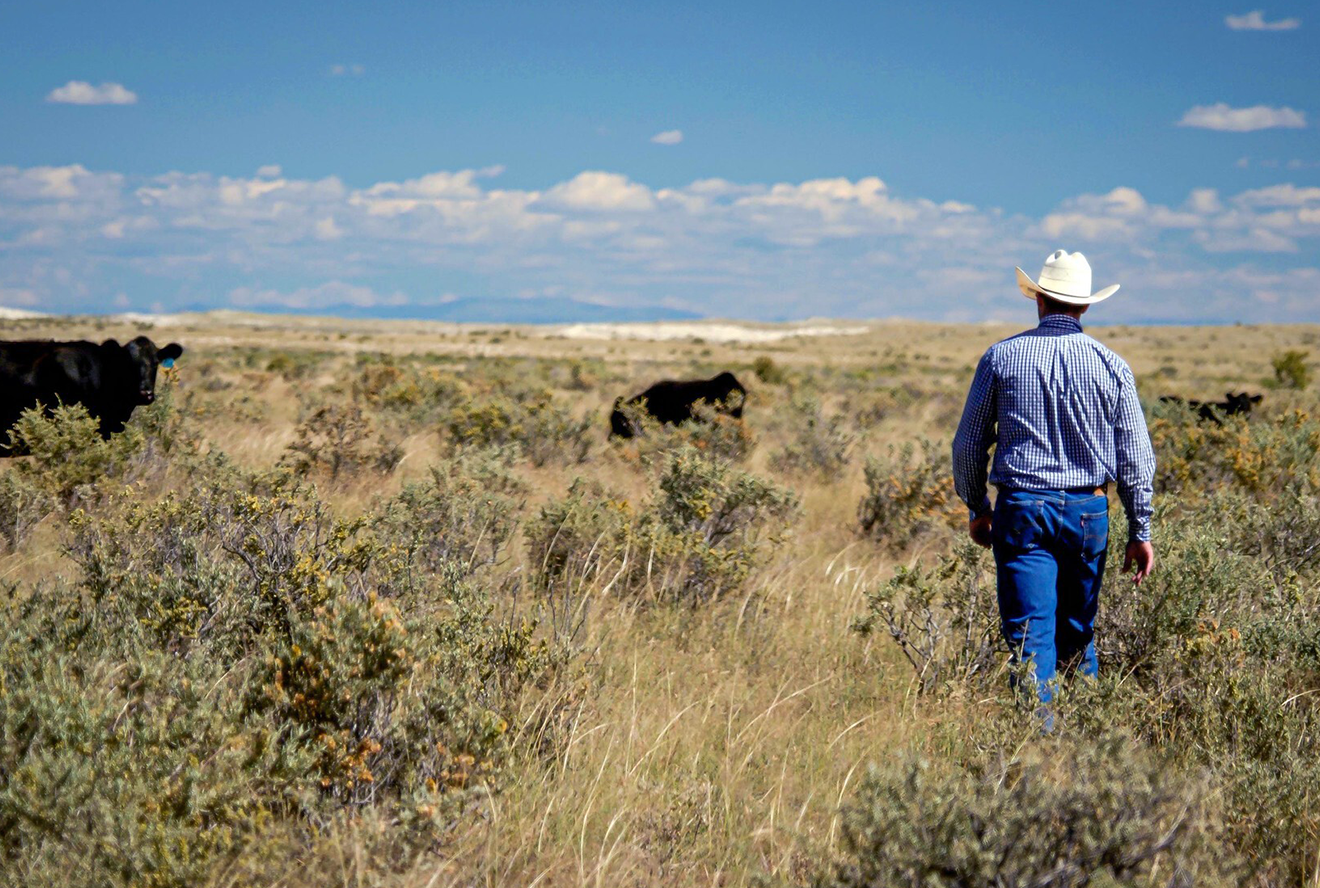
The US Department of Agriculture announced a package of measures on 31 August aimed at rebuilding a national cattle herd that it says stands at a 75-year low.
The centrepiece is an insurance product. A Beef Retention and National Development endorsement, attached to existing Livestock Risk Protection policies, would let a rancher insure the economic value of holding a heifer back for breeding over two years. If the animal's slaughter value rises above the value of keeping her as breeding stock, the policy pays the difference — removing the incentive to sell into a strong market and shrink the herd further.
That mechanism addresses a problem familiar to livestock economies everywhere: when prices are high, the cheapest thing a farmer can do is sell the breeding females, and the herd takes years to recover.
The department will also let producers use the Emergency Conservation Program on Grassland Conservation Reserve Program acres, so fencing and water infrastructure can be rebuilt faster after wildfires and other disasters.
On processing, a guaranteed loan programme will follow the existing Strengthening Processing for U.S. Ranchers scheme, supporting regional plants, processor co-operatives and a wider range of animal proteins. The department notes that recent closure announcements will free nearly 20 per cent of beef processing capacity, and says it wants that capacity to pass to small and mid-size American-owned operations.
Federal and state institutions — including prisons, hospitals and veterans' facilities — will be encouraged to buy locally processed American beef, extending a procurement push the department began with school meals.
Agriculture Secretary Brooke L. Rollins said the measures were about "investing real dollars to rebuild the Great American Beef Herd, giving producers the risk management tools they need, cutting the red tape that has squeezed small and independent operators." The department also set out support for beginning and veteran ranchers, including Farm Service Agency loans for land, livestock and equipment.
Source: USDA
Comments
(0)