
"The chance of holding global warming to below 1.5C above pre-industrial levels with no or limited overshoot is gone," the United Nations Environment Programme (UNEP) says in its Emissions Gap Report 2026, the 17th edition of its annual assessment, reports Richard Mahapatra for Down To Earth.
Global greenhouse gas emissions reached 58.4 gigatonnes of carbon dioxide equivalent in 2025, a fall of only 0.1 gigatonnes from 2024. That small decline hides a worrying trend: carbon dioxide from burning oil, coal and gas kept rising, as did nitrous oxide and fluorinated gases, while methane stayed about the same.
The rise was offset by a drop of about 0.5 gigatonnes in emissions from land use, land-use change and forestry, partly because global wildfire carbon emissions fell in 2025 after an exceptionally active 2024. More than two-thirds of all emissions come from fossil sources.
Emissions are neither peaking nor plateauing, UNEP warns. G20 members, excluding the African Union, account for 76% of global emissions, and their emissions excluding land use rose 0.7% in 2025. Sixty-three countries have cut emissions over the past decade, but 124 have increased them.
The task now, the report says, is to keep the overshoot as short and small as possible and return to 1.5C by the end of the century. On the lowest-overshoot path, emissions would have to fall 18% by 2030, 45% by 2035 and 69% by 2040 from 2025 levels, with large-scale removal of carbon dioxide from the air.
The report comes as temperature records keep falling: September 2026 was the second-hottest month on record, at 1.63C above pre-industrial levels, according to the Copernicus Climate Change Service. "Governments need to get on with enacting policies that cut fossil fuel use as soon as possible," said Bill Hare, chief executive of Climate Analytics.
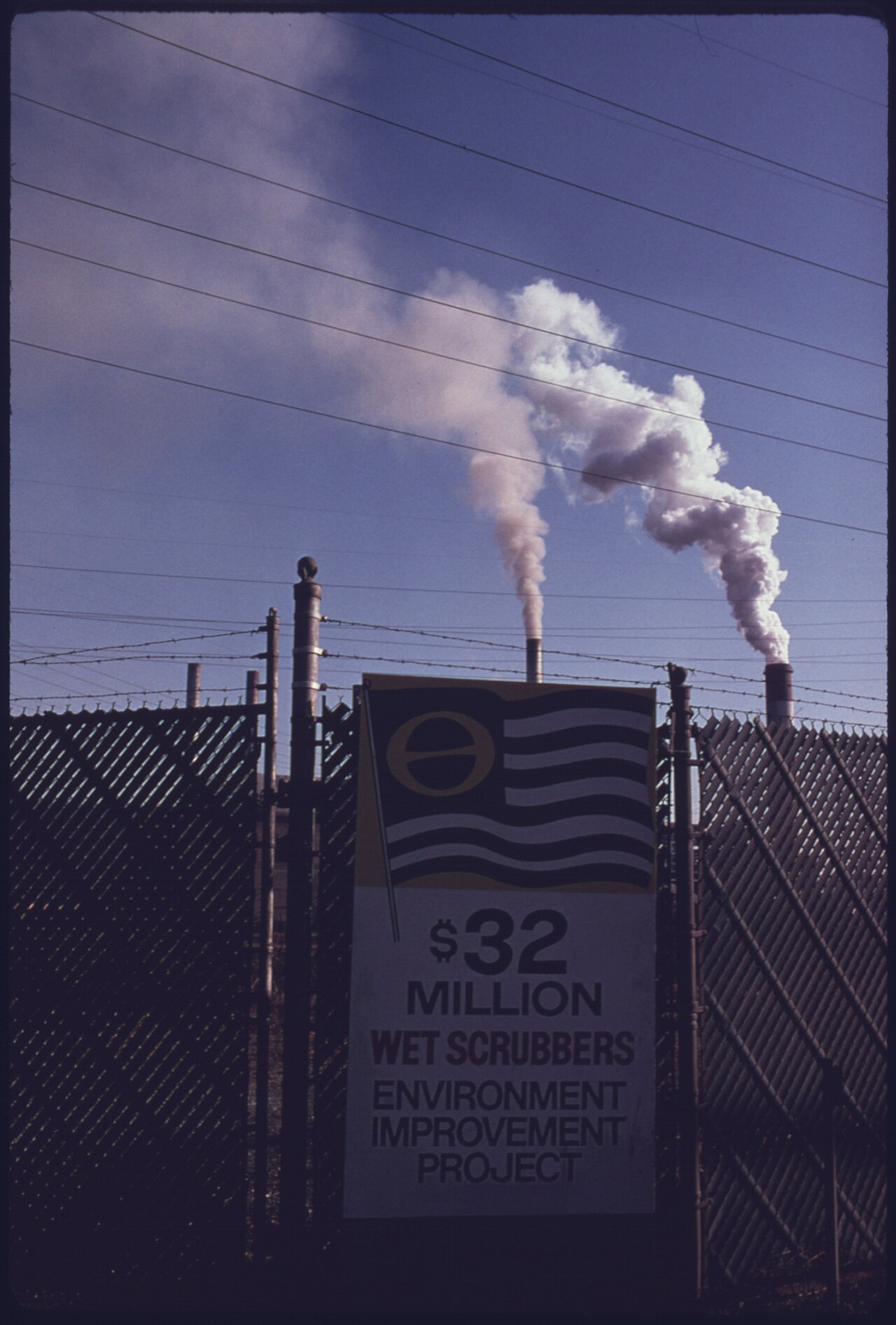
Photo: John L. Alexandrowicz / US National Archives / Wikimedia Commons (public domain)
Source: Down To Earth



Comments
(0)