
Britain has added a group of new fungicide combinations and wider insecticide uses for the 2027 growing season, according to the British Crop Production Council's (BCPC) monthly update of the UK Pesticide Guide, published on 5 October. BCPC is not the regulator; approvals are granted by the Health and Safety Executive's Chemicals Regulation Division, and BCPC compiles them as a reference for agronomists and farmers.
Syngenta listed Miravis Era, which pairs prothioconazole with the newer active pydiflumetafen for cereal disease control, approved for Great Britain pending final marketing confirmation. BASF added three products built on mefentrifluconazole: Revysense, a straight 97 g/l formulation, and two mixtures with prothioconazole, Yanila and Stelya, both approved to 30 September 2029.
On the insecticide side, FMC secured approvals for two cyantraniliprole products: Benevia 10 OD for carrots, against carrot root fly, and Preza 10 OD for potatoes, for use before the first berries are visible. Cyantraniliprole is already approved in the UK under other brands; the new formulations extend it to two of the country's largest field vegetable crops.
Corteva's clopyralid herbicide Shield Pro had its Great Britain approval extended to 31 October 2031. Syngenta widened the label of Taegro, a biological fungicide based on the bacterium Bacillus amyloliquefaciens strain FZB24, to brassica seedlings against powdery mildew, with up to three applications before plants go outdoors.
Several entries are provisional approvals awaiting final labels, so growers cannot buy them yet, and many others are duplicate registrations of products already on sale. Global Agriculture reads the three mefentrifluconazole products in one update as a sign of growing competition in cereal disease control as older single-site chemistry faces resistance.
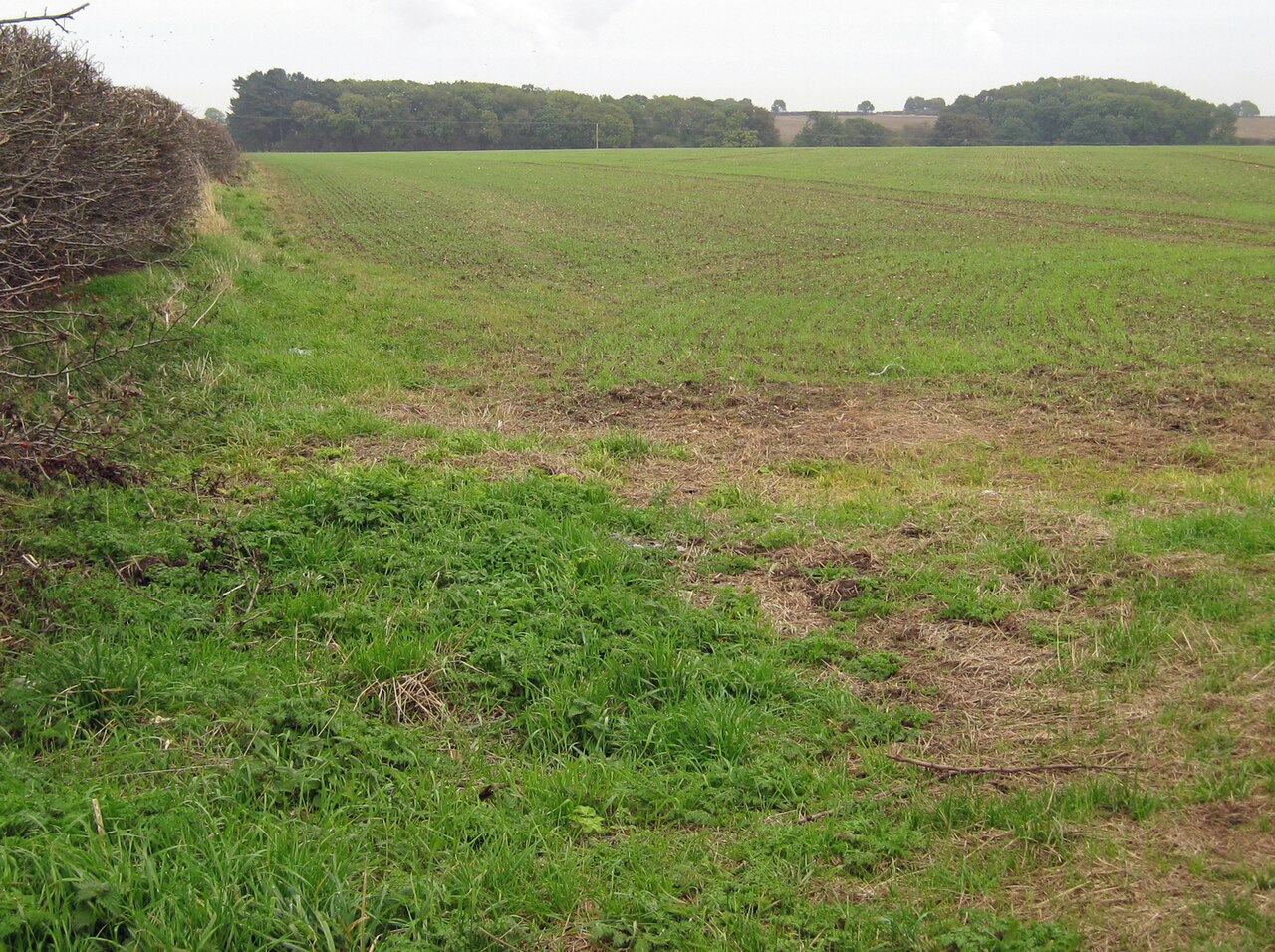
Photo: David Wright / Wikimedia Commons (CC BY-SA 2.0)
Source: Global Agriculture




Comments
(0)