
Canada's wheat sector is looking abroad for ways to fund and run variety breeding as Agriculture and Agri-Food Canada (AAFC) shifts away from late-stage variety development, the Manitoba Co-operator reports. Cuts to AAFC research stations and staff earlier this year sharpened the question of how the work is done and who pays.
In February the Canadian Wheat Research Coalition (CWRC) published a review of the country's wheat breeding system, and in May an industry-wide memo called for a new vision. "We recently looked at the Australian model, as well as European models," said CWRC chair Jocelyn Velestuk. Tyler McCann of the Canadian Agri-Food Policy Institute told a House of Commons committee that Australia's model was worth considering.
In Australia, the Grains Research and Development Corporation is funded mainly by grower levies, collected at the first point of sale as a share of farm-gate value, matched by the government up to a ceiling. Breeding there was once largely public. Australia also uses end-point royalties, in which farmers declare the variety when they sell grain and a royalty goes back to the breeder, so breeders earn even when farmers save seed, a point Laurin Comin of Seeds Canada highlighted.
The US system mixes federal and state research, universities and private breeders. University of Manitoba wheat breeder Curt McCartney said Canada could end up looking similar if producer money now going to federal programs moves to universities. Comin cautioned that private firms invest where returns are easiest to capture, so public money is still needed for wheat. Brazil, by contrast, keeps a public-centred system around Embrapa, which remains an active wheat breeder.
Saved seed remains contentious. SaskWheat director Rob Stone said Prairie farmers have already put more than $70 million into wheat breeding and that any talk of paying more should start with how well that money is spent. "We're looking for a made-in-Canada approach at this time," Velestuk said.
The report was written by Don Norman for the Manitoba Co-operator.
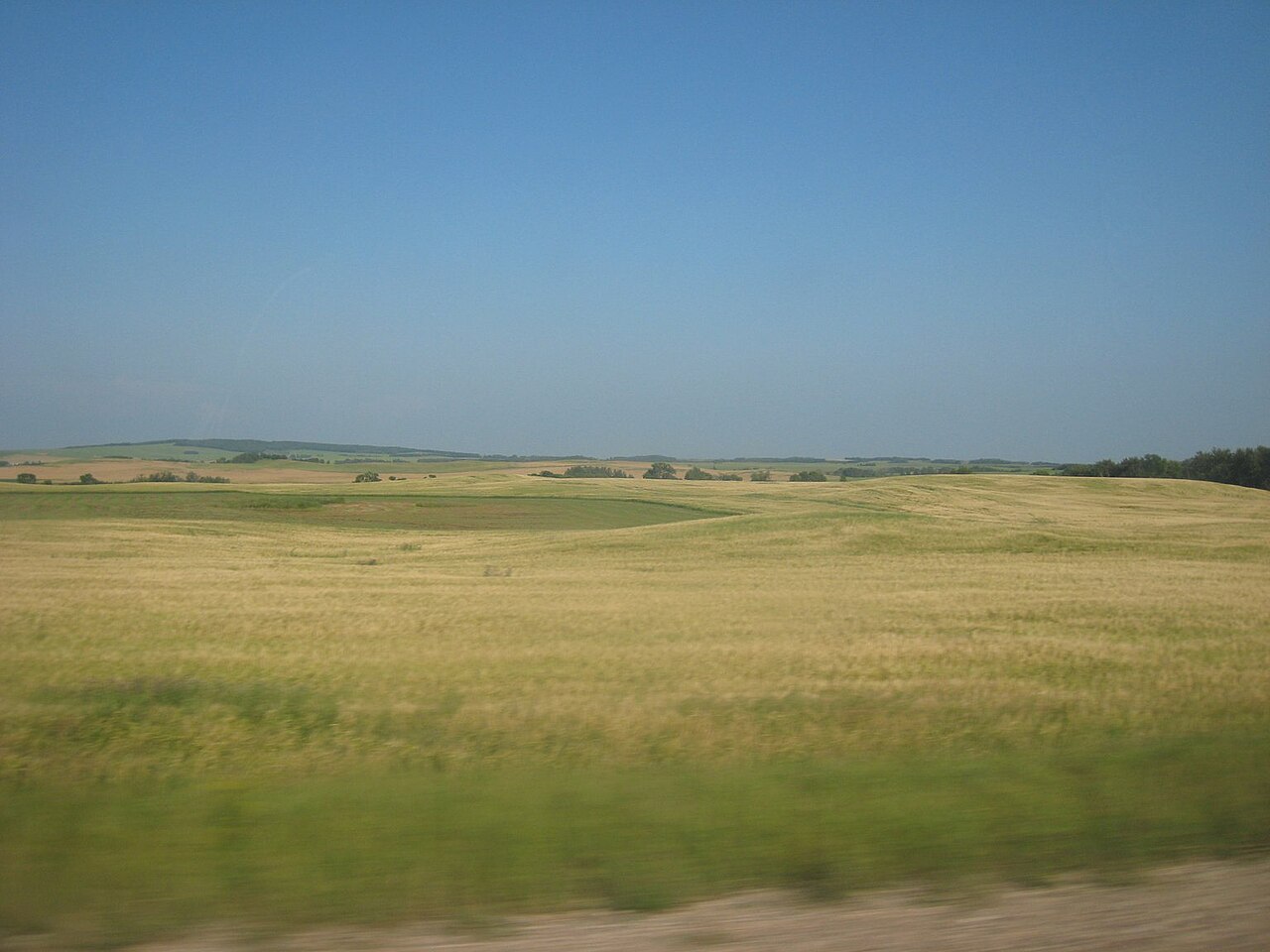
Photo: ggbaker / Wikimedia Commons (CC BY-SA 3.0)
Source: Manitoba Co-operator

Comments
(0)