
The Bangladesh government was developing a "Tree Monitoring App" to check digitally whether saplings planted across the country survive and grow, and to make the planting drives accountable, Bangladesh Sangbad Sangstha (BSS) and Jagonews24 reported on 2 July 2026. The initiative is set out in the National Budget Speech for fiscal year 2026-27 and the Bangladesh Climate Budget Report 2026-27 as part of the National Green Mission. Finance Minister Amir Khosru Mahmud Chowdhury presented the budget in parliament on 11 June 2026.
How the app will work
According to the budget and climate policy documents, the app aims to make afforestation more modern, transparent and accountable through continuous digital monitoring and care of planted trees. It will track the current state of saplings and help make sure they are looked after once they are in the ground.
For accuracy, the app will work with data collection systems based on the Global Positioning System (GPS) and Geographic Information Systems (GIS), allowing digital maps and records of areas afforested under the Forest Department. It is expected to play a central role at scattered planting sites in villages and towns where officials cannot easily check in person.
The One Child, One Tree programme
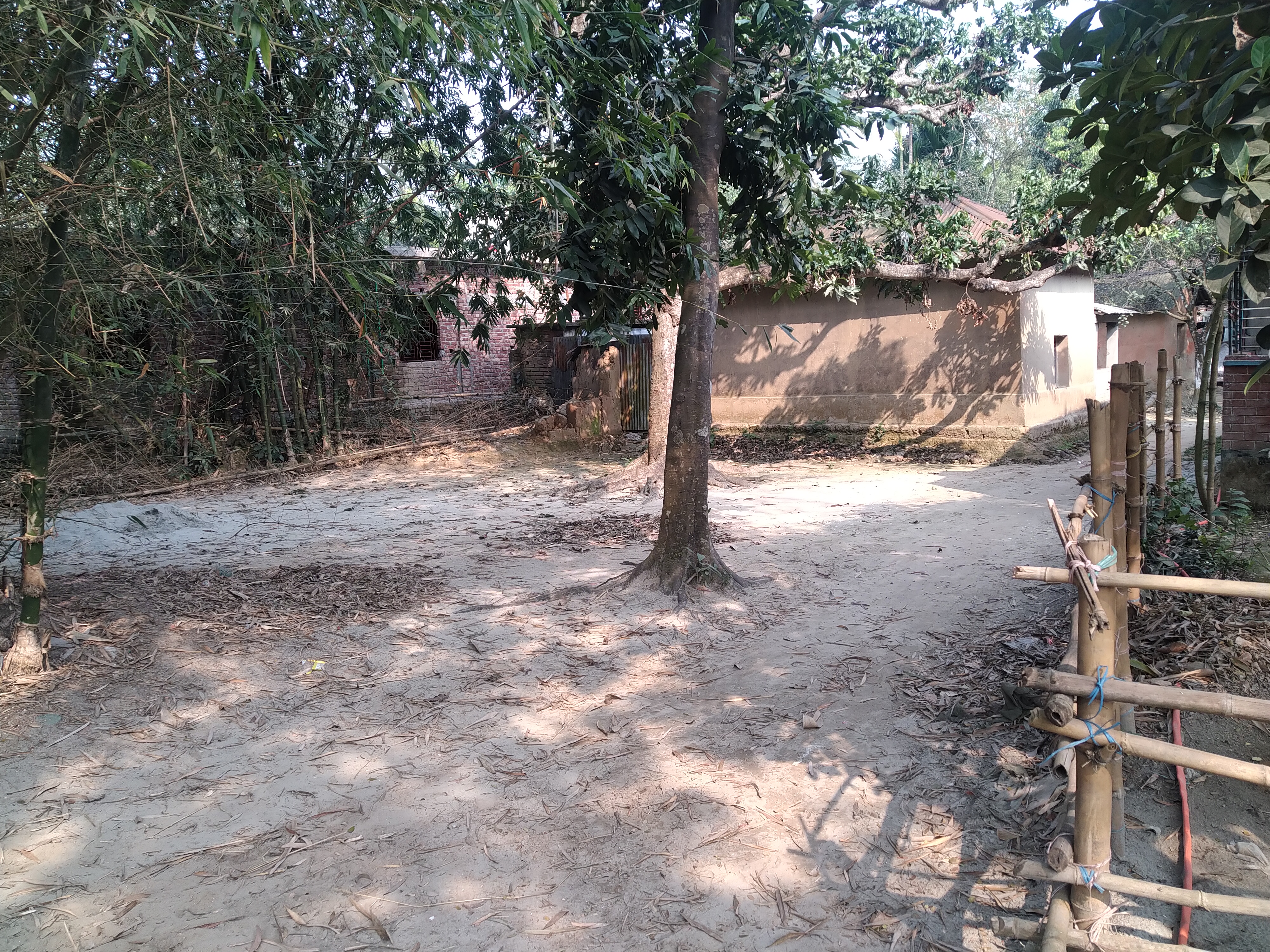
One Child, One Tree engages government primary school students to plant one crore (10 million) trees at their homes and homesteads. A BSS report of 28 June 2026 quoted the finance minister as saying that "the government has finalised an action plan to facilitate the planting of 1 crore trees at the homes and homesteads of students." The aim is to build a sense of environmental responsibility in the younger generation. Because so many trees are spread across individual households, they are hard to monitor, which is where the app is meant to help most.
The National Green Mission and the budget targets
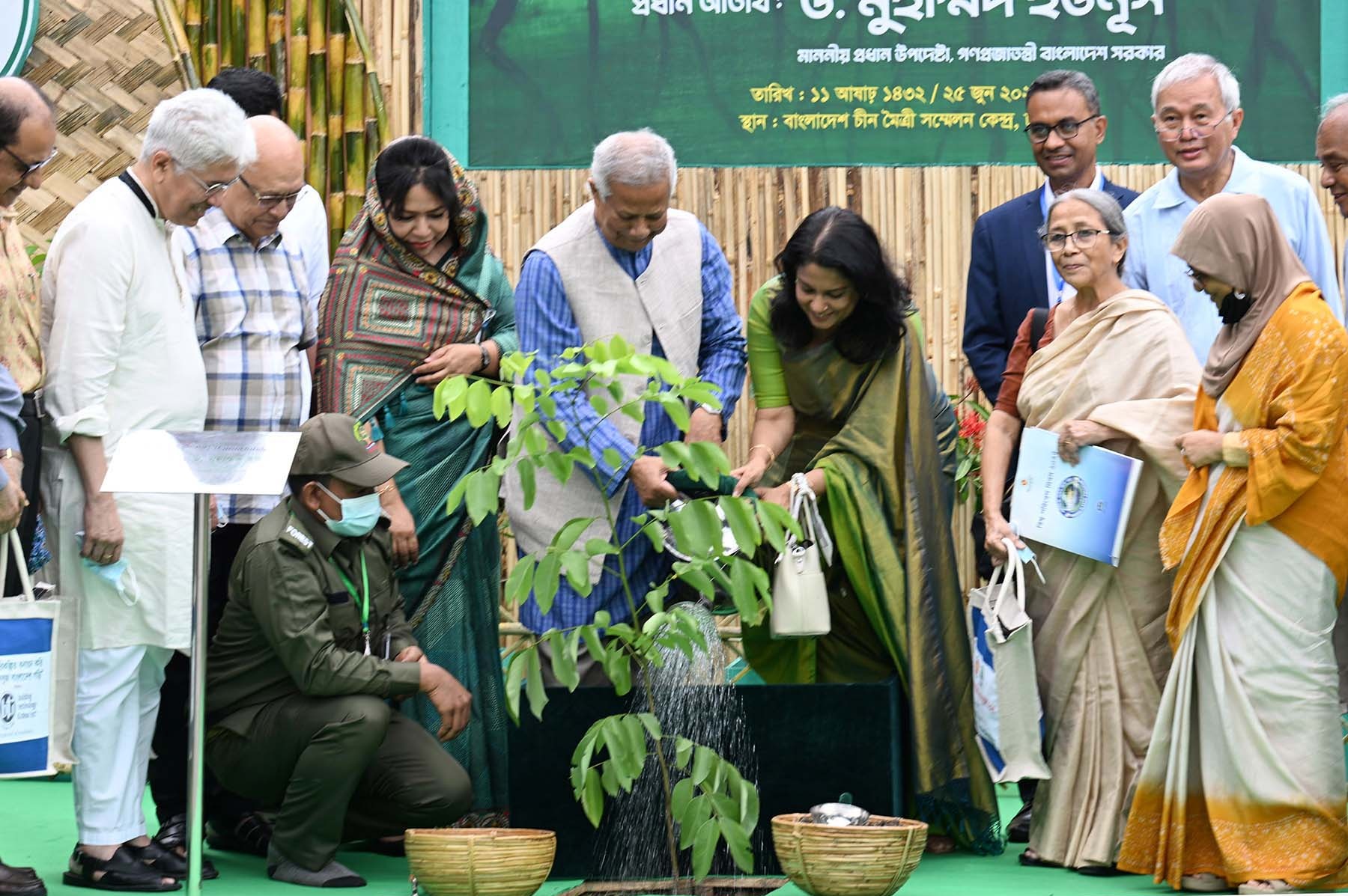
The National Green Mission targets 25 crore (250 million) trees over the next five years to restore degraded forests, keep the ecological balance and increase carbon absorption. The wider afforestation drive is meant to create about 350,000 green jobs, directly and indirectly. The budget documents also plan to bring 50 percent of coastal mangrove forests under carbon trading to earn revenue while supporting conservation.
For FY2026-27, UNB reported, the budget set targets of 42.9 million saplings in 25,960 hectares of block plantations, 3.7 million along 3,727 kilometres of strip plantations and 17.8 million in 4,000 hectares of mangrove plantations, plus 56 lakh saplings under homestead afforestation. The Ministry of Environment, Forest and Climate Change was allocated Tk 2,240 crore, up from Tk 2,144 crore in FY2025-26.
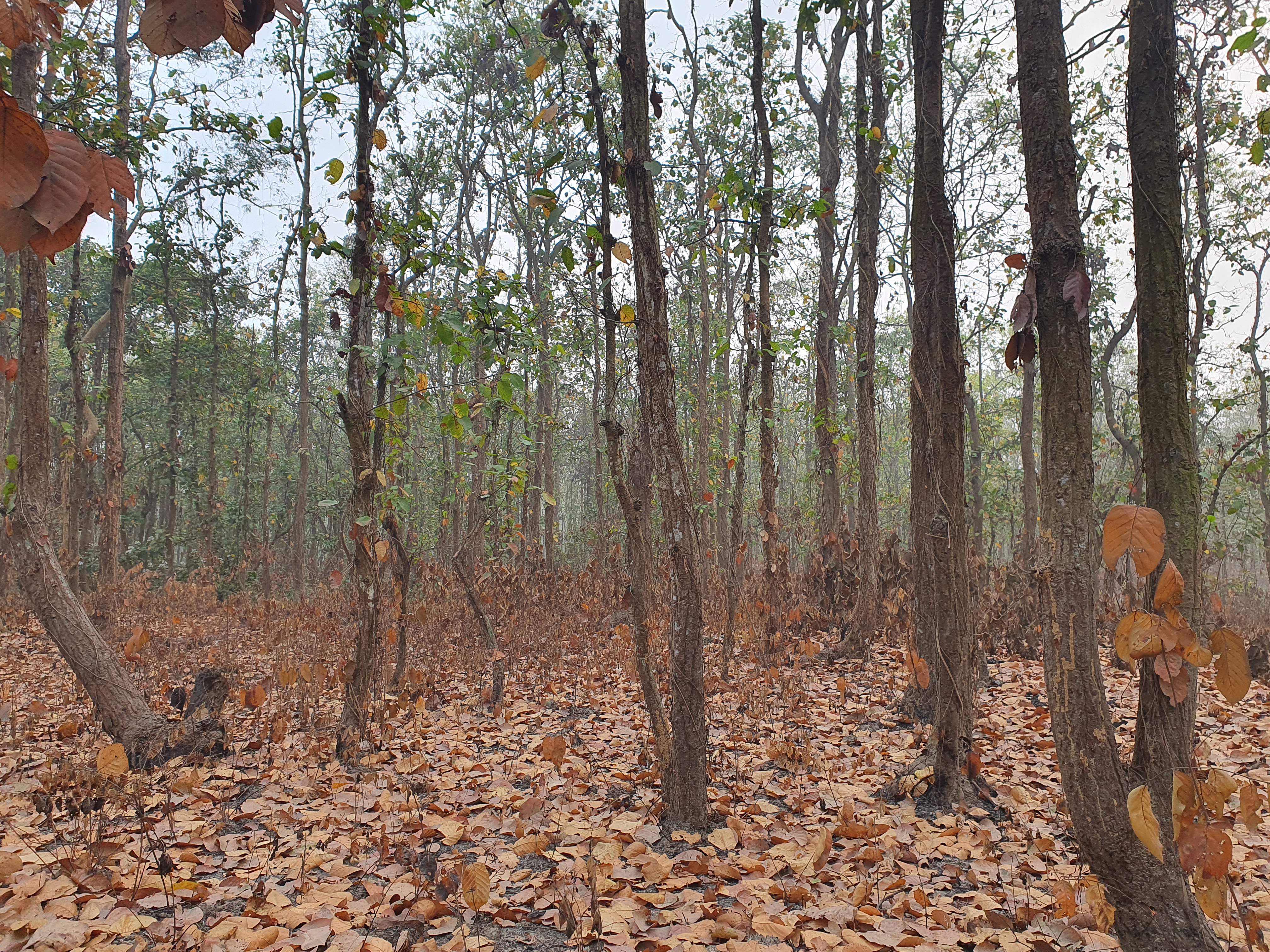
The programme gives priority to mangrove species on coastal chars, restoration of sal forests in the hills and the central region, and conservation of endangered forest species. Sal (Shorea robusta) is a tree of the family Dipterocarpaceae that can grow up to 40 metres tall and is native to Bangladesh, India, Nepal and the Himalayan region. The Sundarbans, spread across Bangladesh's Khulna Division and India's West Bengal, is the world's largest mangrove forest; its Bangladesh part was inscribed as a UNESCO World Heritage Site in 1997.
The plan also covers planting suited to each area on marginal land along roads, highways, embankments, riverbanks and canal banks, together with more urban forestry and agroforestry. The budget further proposed a 15 percent VAT on imports of trees and aromatic tree extracts.
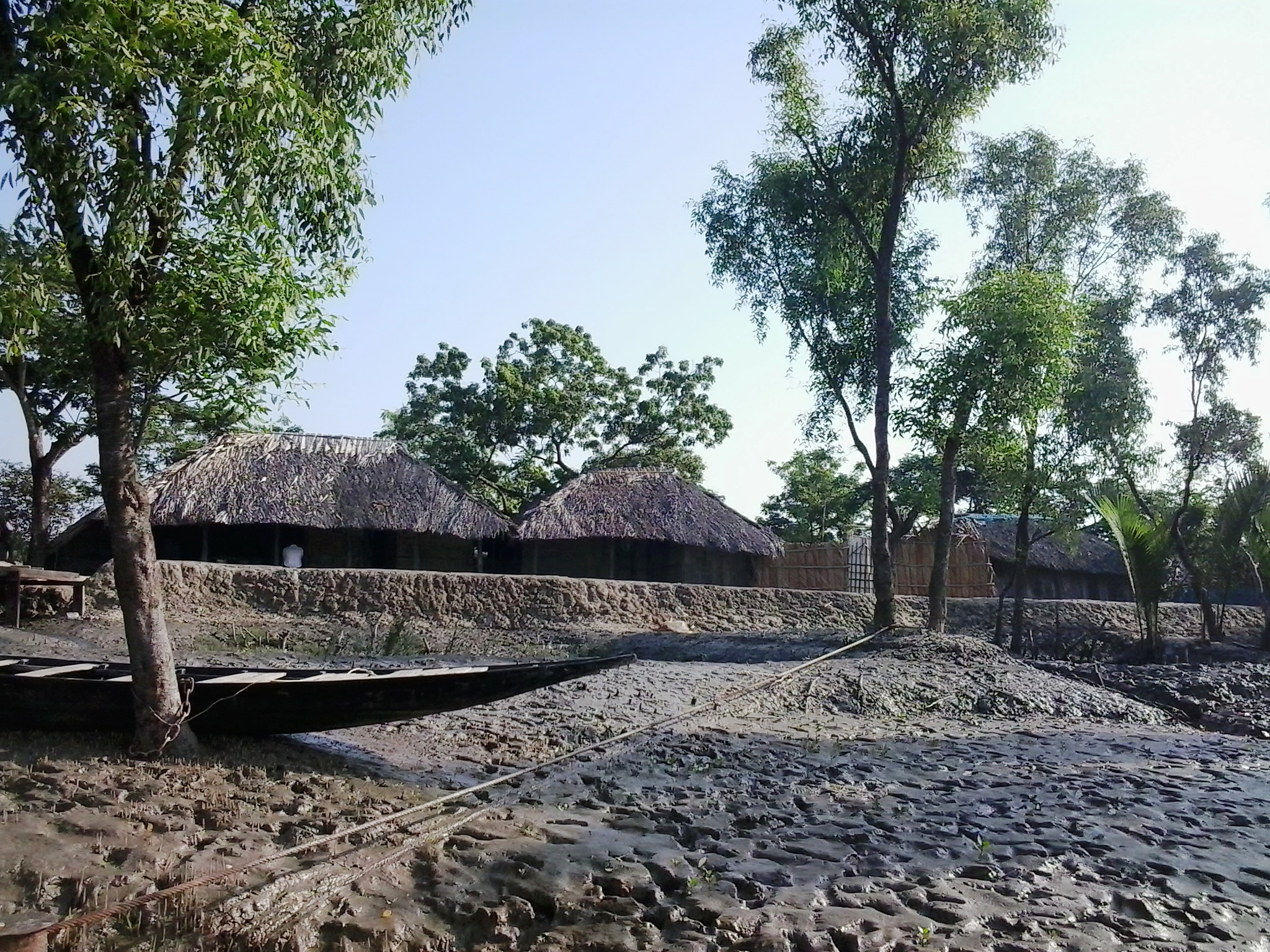
Photo: Ujjal86 / Wikimedia Commons (CC BY-SA 4.0)
Sources: Jagonews24, Bangladesh Sangbad Sangstha (BSS), UNB, Bangladesh Post, Wikipedia
Comments
(0)