
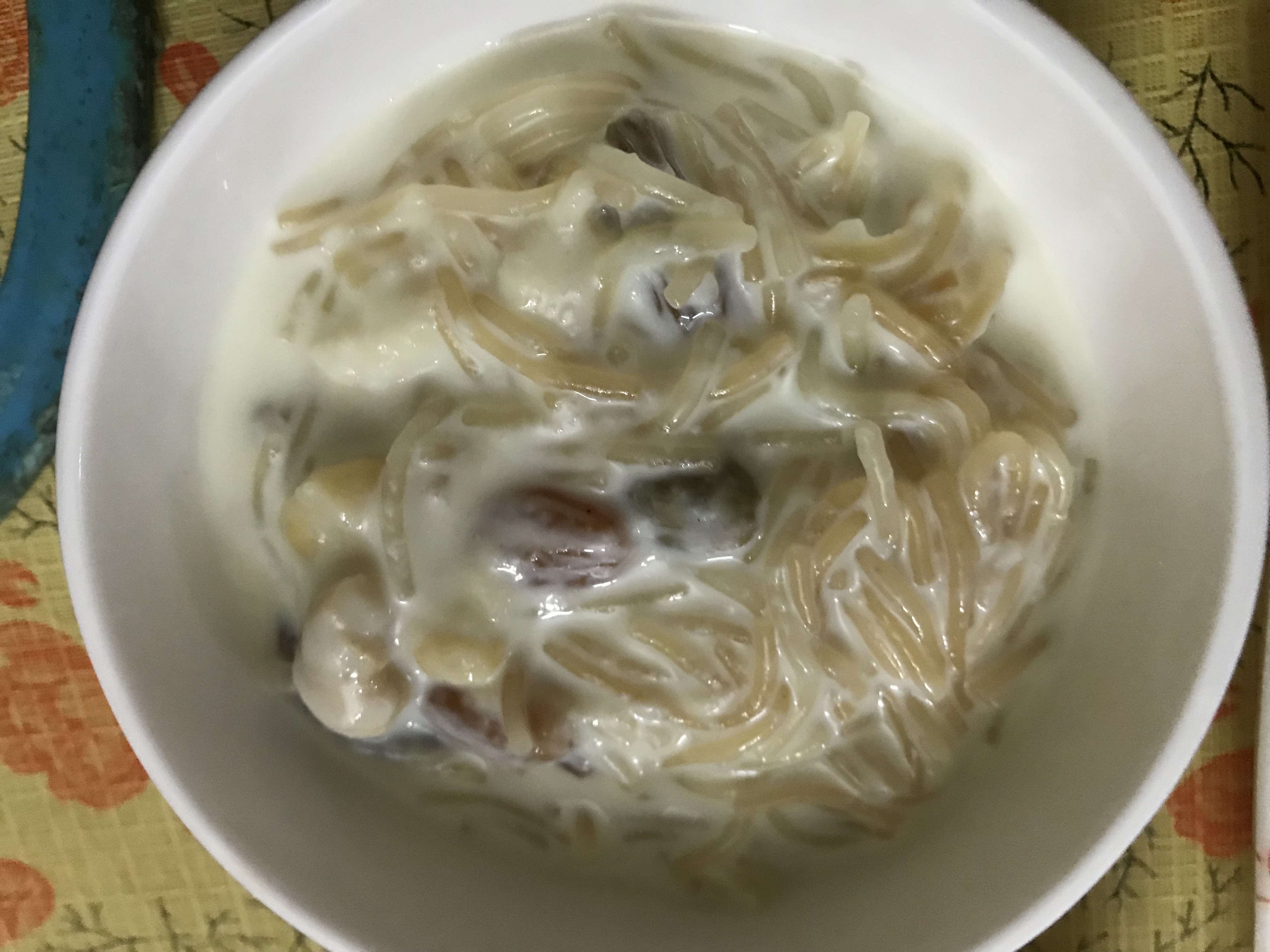
On 16 March 2026, with Eid ul-Fitr expected in Bangladesh on 21 March subject to the sighting of the moon, the lifestyle desk of Jagonews24 published a recipe for dudh semai, the vermicelli cooked in sweetened milk that many families serve on Eid morning. The recipe needs one litre of milk, one cup of sugar, one cup of semai, a tablespoon of ghee, a tablespoon each of chopped nuts and raisins, two or three cardamom pods and two pieces of cinnamon. The semai is fried lightly in ghee, added to milk that has been boiled with the sugar and the spices, cooked over medium heat until thick, and finished with the nuts and raisins.
Jagonews24 introduced the dish by noting that Eid means a variety of sweet dishes, that semai is always on the list, and that among its many versions dudh semai never loses its appeal. The recipe is given below as the paper published it, with its steps set out in order, together with what was reported in the weeks before that Eid about the dish, the semai trade, prices in Dhaka's markets and drives against unhygienic semai factories, and the official figures and health guidance that bear on its two main ingredients, milk and sugar.
Semai on the Eid morning table
Eid ul-Fitr falls on the first day of the month of Shawwal, at the end of the month of Ramadan fasting. Banglapedia, the national encyclopedia published by the Asiatic Society of Bangladesh, describes the festival as celebrated in Bangladesh with great eclat: on this day everyone tries to dress well and to prepare improved foods according to their means, and relatives and neighbours share the joy. It records that in villages, after the morning Eid prayers, people return home and then visit one another's houses, where they are served shirni, a sweet dish, and that Eid fairs sell foods such as chira, muri, khai, manda and sweets.
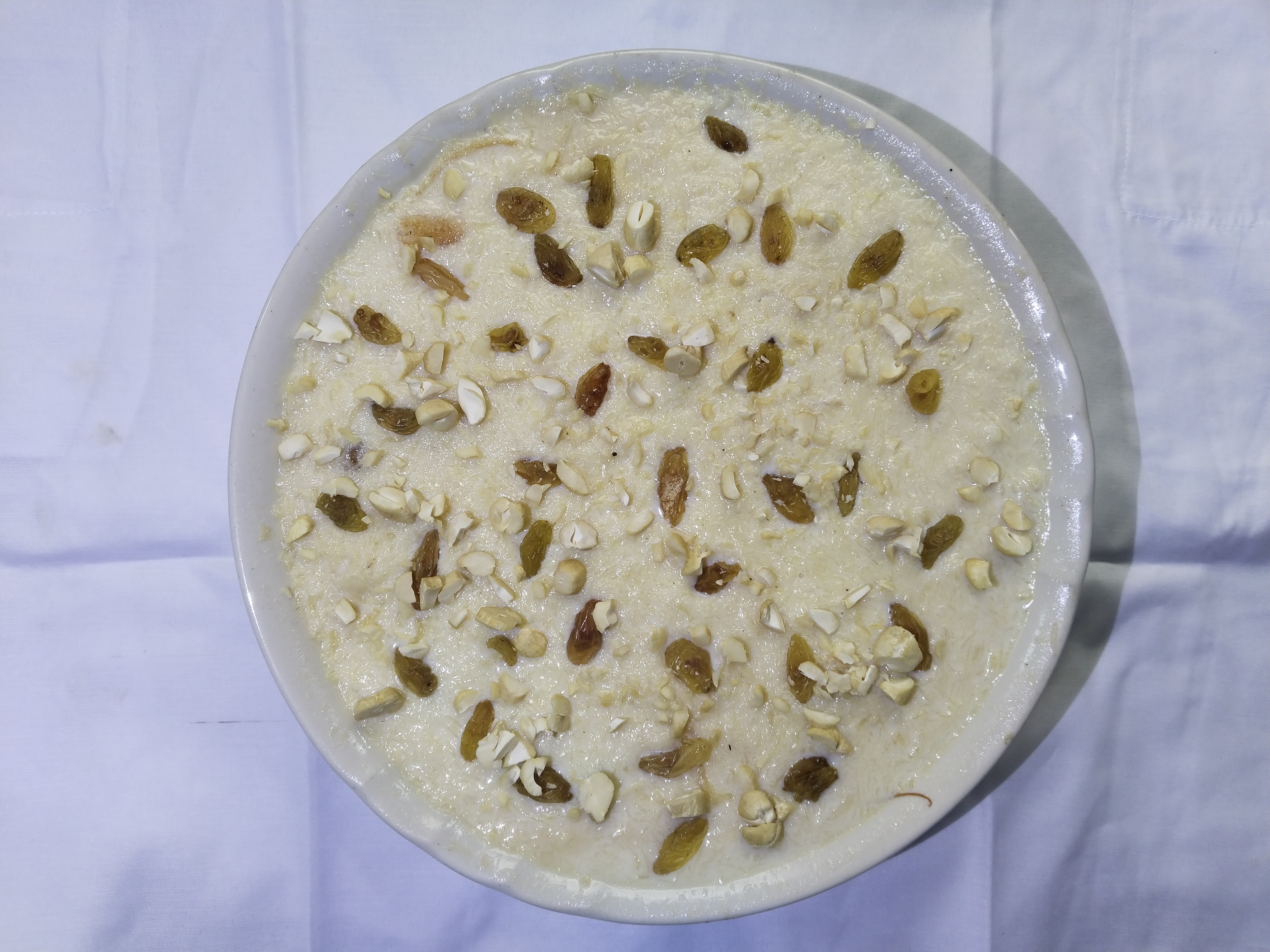
Semai is the sweet most closely tied to the day. A Shomoyer Alo report from Jhalakathi on 1 March 2026 described eating semai before setting out for the Eid prayer as a long-standing tradition, and listed the forms it takes in Bangladeshi homes: semai soaked in milk, fine dry semai, flour semai and semai balls. The same report noted that semai is just as popular in West Bengal, and that it is also eaten in Pakistan, India and Afghanistan.
The Business Standard, in a report from Chattogram on 4 March 2026, wrote that semai was not originally a food of Bengal but has become one of the companions of Eid in the Muslim society of the subcontinent, so much so that Eid ul-Fitr in West Bengal and Bangladesh seems incomplete without it. The paper cited the linguist Suniti Kumar Chatterji, who traced the word 'semai' to the Greek semidalis, and noted that the food is called semiya in Afghanistan and sewai in Pakistan. It is believed, the paper wrote, to have reached the region from outside and later to have become an inseparable part of the food heritage of Bengali Muslims.
Reference works describe the same family of dishes. Wikipedia's entry on shemai calls it a traditional dessert of Bangladesh and of the Indian states of West Bengal and Odisha, a dessert form of vermicelli soaked in sweet milk and often garnished with nuts, popular during Eid but eaten throughout the year. Its entry on sheer khurma, whose Persian name means 'milk and dates', describes a festive vermicelli pudding prepared by Muslims for Eid in India, Pakistan, Afghanistan and parts of Central Asia, served in the family on Eid morning after the prayer as breakfast and through the day to visiting guests. Vermicelli itself is a thin, round pasta whose Italian name means 'little worms', from the Latin vermis; it is typically made from semolina, and in the Arab world, where it is called sha'riyya, it is toasted in butter before use.
The 2026 festival came with a long public holiday. On 8 March the Ministry of Public Administration issued a circular declaring 18 March a holiday by executive order, which, bdnews24.com reported, gave government and private offices seven days off from 17 to 23 March: 17 March for Shab-e-Qadr, the holidays already fixed for 19 to 23 March around the likely Eid date of 21 March, and the added day between them. In the same week, reporters for bdnews24.com and Jugantor found shoppers crowding the semai and sugar shops of Dhaka.
The ingredients
Jagonews24 listed eight ingredients for its special dudh semai:
- Milk: 1 litre
- Sugar: 1 cup
- Semai (vermicelli): 1 cup
- Ghee: 1 tablespoon
- Chopped nuts: 1 tablespoon
- Raisins: 1 tablespoon
- Cardamom: 2 to 3 pods
- Cinnamon: 2 pieces
The recipe uses the same cup to measure the sugar and the semai, and leaves the choice of nuts open. In Dhaka's Kaptan Bazar, a spice and nut seller told bdnews24.com on 13 March 2026 that many buyers pick up cashew nuts with their semai to improve its taste, and that some also buy raisins. The recipe does not name a kind of semai; that week Dhaka's markets sold both the fine plain semai, also called Bangla semai, and the fried, flaky lachcha semai.
The method, step by step
The method as Jagonews24 gave it, set out in order:
- Heat a little ghee in a pan and fry the semai lightly. The paper says this makes the aroma and flavour of the semai better.
- In a separate pot, put the milk, sugar, cardamom and cinnamon together and bring them to the boil.
- When the milk comes to the boil, add the fried semai.
- Cook over medium heat for a while, until the semai thickens and the milk has blended into it.
- Add the chopped nuts and raisins, stir for a few minutes, and take the pot off the stove.
- Serve when the semai has cooled a little; it can also be cooled fully before serving.
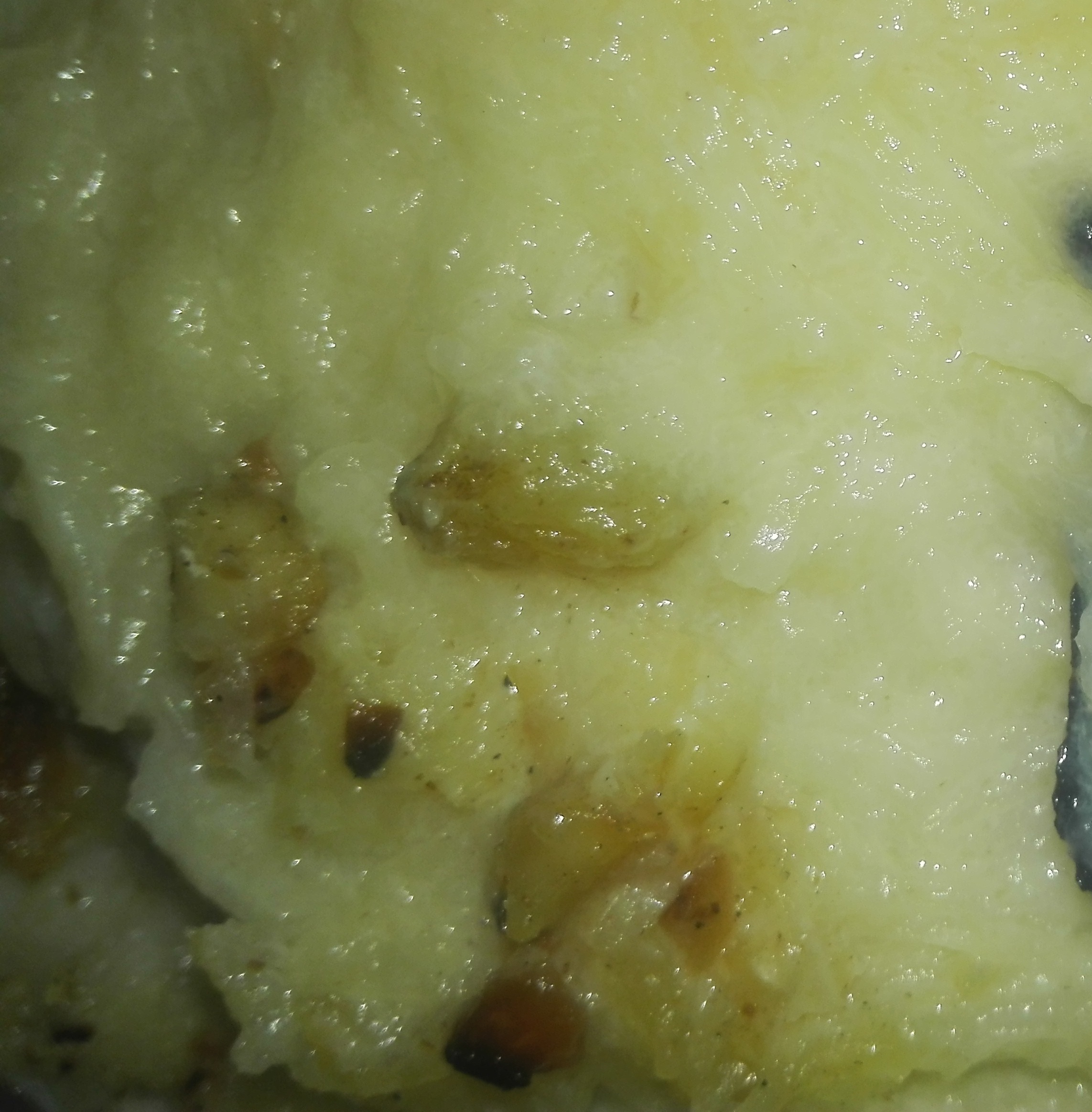
The order matches the standard method in reference works. Wikipedia's account of sheer khurma says the vermicelli is first fried in clarified butter, then milk is added and the vermicelli cooks further; as the mixture thickens, sugar and dates are added with any other dried fruit, and in some areas cooks use more milk for a thinner, almost drinkable consistency. Its shemai entry gives the staple ingredients as milk, ghee, sugar, roasted vermicelli and various nuts and spices, and notes that some recipes use powdered or condensed milk. The Jagonews24 recipe differs in one detail: the sugar goes into the milk with the spices at the start rather than once the semai has thickened.
What each ingredient brings
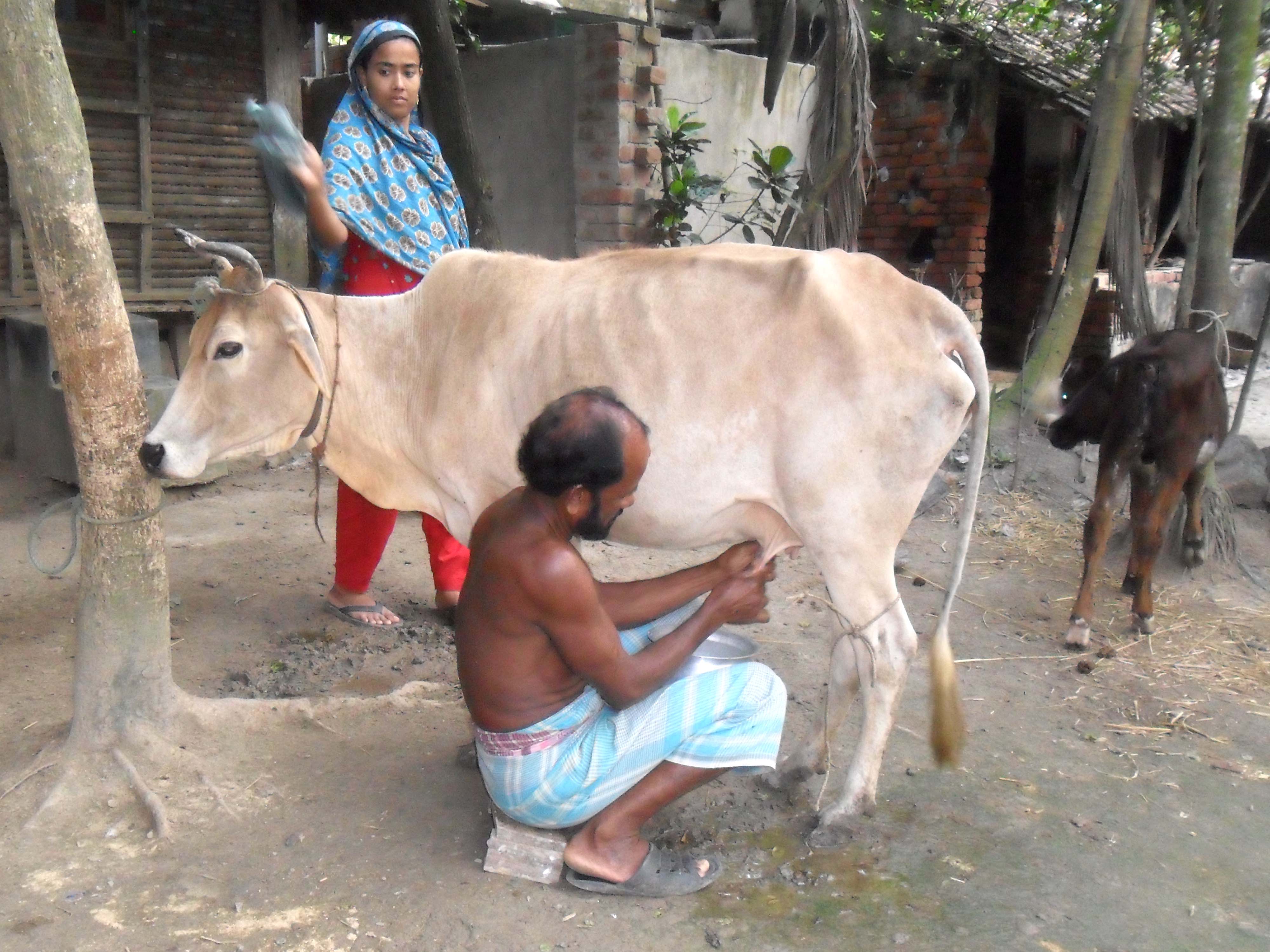
Milk is the body of the dish. Banglapedia gives the average composition of cow's milk as 87.6 per cent water, 3.7 per cent fat, 3.2 per cent protein, 4.8 per cent lactose and 0.72 per cent ash, describes whole milk as an excellent source of calcium, phosphorus, riboflavin, protein and vitamin A, and says one hundred millilitres of milk may furnish 65.3 calories. It notes that the food value of milk varies from animal to animal and with the fodder the animals eat.
Ghee is a clarified butter that originated in the Indian subcontinent, usually made from cow or buffalo butter. It is valued in cooking for its nutty flavour and for its high smoke point, which allows it to be heated to high temperatures without burning.
The two whole spices give the milk its scent. Banglapedia's entry on spices explains that cinnamon and cassia come from bark and cardamom from seeds, that spices are valued for their aroma, which comes from essential oils, and that although many spices are grown in Bangladesh, a large number are imported from India, Malaysia and Indonesia. It names cardamom among the other common but important spices and notes that the popular garam masala, a combination of clove, black pepper, cinnamon and cardamom, is used not only in meat and rice dishes but also in preparing many kinds of foodstuff and sweets.
Green or true cardamom, Elettaria cardamomum, is a herbaceous perennial of the ginger family, native to southern India and cultivated widely in the tropics; its seeds give a strong aroma used in both savoury and sweet cooking. Cinnamon is the inner bark of trees of the genus Cinnamomum in the laurel family. Ceylon cinnamon, Cinnamomum verum, named after Sri Lanka, is considered true cinnamon, but most cinnamon in international trade comes from related species more correctly called cassia. Its characteristic aroma and flavour come mainly from its essential oil, whose principal component is cinnamaldehyde.
Where Bangladesh's semai is made
Most of the semai bought for Eid is made in small seasonal factories. Prothom Alo reported on 27 February 2026 that semai factories in Bogura start preparing months before Eid and supply lachcha and fine semai to many districts. Most of the lachcha factories are in Kahaloo upazila, where the Shekhahar Bazar area, with more than a hundred lachcha factories, has become known as the lachchapalli, the lachcha village. Traders there told the paper that several thousand tonnes of lachcha semai are made in a full season, with a market value of Tk 100 crore to Tk 150 crore, and that many well-known food companies buy semai there and sell it under their own packets. On the outskirts of Bogura town, the paper wrote, villages such as Bejora, Ghatpara, Sheolagati, Kalisamati and Shyambaria have become a fine-semai cluster.
In Jhalakathi, Shomoyer Alo reported on 1 March 2026, several seasonal factories had been producing since February and production was at its peak: workers made semai at night and packed and dispatched it by day, sending it by van, autorickshaw and pickup to markets across the district and to neighbouring upazilas of Pirojpur, Barguna, Barishal and Bhola. A semai maker there told the paper that the plain stick semai, shola semai, is made from flour and water alone, and that lachcha semai is made by frying the raw shola semai in oil.
Some makers keep older methods. The Business Standard's Chattogram report described a bakery at Kapasgola, beside the Bahaddarhat to Chawkbazar road, which has made coiled chak semai, known locally as Bangla semai, since 1936. Dough is made by mixing flour with hot water in large pans, pressed through a special device into fine strands, arranged in coils on trays, dried in the sun and then toasted lightly in a tandoor oven to give it a reddish colour. An employee told the paper that the bakery makes about 100 kg of semai a week through the year but 100 kg to 150 kg every day in Ramadan, when demand rises about sevenfold; the loose semai sold at Tk 250 a kg.
Drives against unhygienic semai factories
The weeks before Eid also brought enforcement drives against semai factories, as they do most years. Prothom Alo reported that on 26 February 2026 the Directorate of National Consumer Rights Protection, the Bangladesh Food Safety Authority, the Rapid Action Battalion and the district police ran a joint drive at the Shekhahar semai village in Kahaloo. According to the officials who led it, workers at the largest factory there were kneading the dough with their feet, burnt oil was being used to fry lachcha, conditions were very unhygienic and the finished semai was stored beside a toilet; the owner was fined Tk 3 lakh. The owner told the paper that he produced with approval from the Bangladesh Standards and Testing Institution (BSTI). A district administration source told the paper that mobile courts had by then run drives at about ten lachcha factories in the district that Ramadan, that evidence of kneading flour by foot was found at most of them, and that four or five owners had been fined.
On 3 March, Prothom Alo reported, a mobile court of the Bogura district administration and the food safety authority fined two lachcha factories in the Nishindara area of Bogura town a total of Tk 3.4 lakh. The food safety officer told the paper that dough was being kneaded by foot at one of them, that its semai was stored beside a toilet and that it lacked a BSTI certificate; about 100 kg of dough was seized. The paper reported that the day before, BSTI and the consumer rights directorate had fined six unapproved lachcha factories more than one lakh taka in all for making substandard semai in unhygienic conditions. In Jhalakathi, the assistant director of the consumer rights directorate told Shomoyer Alo that semai factories and other food producers were being monitored round the clock and that legal action was taken where needed.
Semai, sugar and spice prices in Dhaka before Eid
By mid-March 2026, after clothes, the Eid shopping had moved on to semai and sugar. On 13 March bdnews24.com surveyed Jatrabari, Kaptan Bazar in old Dhaka and Segunbagicha and found fine semai selling at Tk 80 to Tk 100 a kg depending on the company, and lachcha semai at Tk 225 to Tk 500 a kg. One shop sold loose lachcha at Tk 200 to Tk 220 a kg. Most branded lachcha came in packets of 180 g to 200 g priced at Tk 45 to Tk 70, while loose plain semai sold at Tk 90 to Tk 100 a kg, so the packaged product cost several times more. Buyers and sellers told the paper that semai prices had changed little from the year before. Many packets of lachcha said the semai was fried in ghee and dalda, but buyers doubted whether such semai could be sold at Tk 200 to Tk 250.
The other ingredients of dudh semai had risen more. At Kaptan Bazar, bdnews24.com reported, cashew nuts sold at Tk 1,300 a kg, Tk 100 more than the year before, raisins at Tk 800 to Tk 1,200 a kg depending on quality, and sugar at Tk 100 a kg. Cardamom, which had sold at Tk 3,200 a kg six months earlier, was selling at Tk 4,700 a kg.
Jugantor's market survey of the same day, at Khilkhet, Karwan Bazar, Shantinagar, Agargaon and Rampura, found crowds at semai and sugar shops with seven to eight days still left before Eid. Loose lachcha semai sold at Tk 180 to Tk 200 a kg, small branded packets of lachcha at Tk 45 to Tk 70, ordinary semai known as Bangla semai at Tk 80 to Tk 90 a kg, and sugar at Tk 100 to Tk 110 a kg.
Milk in Bangladesh: production and demand
A litre of milk is the largest item in the recipe, and its supply depends on the country's livestock farmers. The Department of Livestock Services' Livestock Economy at a Glance for 2024-25, prepared in July 2025 from Bangladesh Bureau of Statistics data, put provisional milk production for 2024-25 at 155.38 lakh tonnes, up from 150.44 lakh tonnes in 2023-24 and 72.75 lakh tonnes in 2015-16. Against a demand it calculated at 162.33 lakh tonnes, based on 250 ml per person per day, availability stood at 239.29 ml per person per day.
The same table counted 251.71 lakh cattle, 15.32 lakh buffaloes and 272.91 lakh goats in 2024-25. Livestock contributed 1.81 per cent of gross domestic product at constant prices and 16.54 per cent of agricultural GDP. Banglapedia's entry on milk notes that because production has long been lower than national demand, a considerable quantity of milk powder is imported, and that a large part of the milk available is used to make milk products.
Keeping milk sweets safe at home
Banglapedia states that most milk in Bangladesh is consumed after boiling for not less than 20 minutes, and that the pasteurised milk available in several cities is heated to at least 63 degrees Celsius for at least 30 minutes, or to at least 72 degrees Celsius for at least 15 seconds, and then cooled at once to 4.4 degrees Celsius or less, to destroy all pathogenic microorganisms. In this recipe the milk is boiled before the semai goes in and the two cook together afterwards.
Cooked milk dishes need care once they leave the stove, especially at Eid, when semai is offered to visitors through the day. The World Health Organization's Five Keys to Safer Food manual, published in 2006, sets out five rules: keep clean, separate raw and cooked, cook thoroughly, keep food at safe temperatures, and use safe water and raw materials. It names milk, along with meat, seafood, cooked rice, cooked pasta, cheese and eggs, among the foods that provide ideal conditions for microorganisms to grow, and explains that one bacterium can become two in just 15 minutes and, within six hours, more than 16 million. The manual defines the danger zone as the range from 5 to 60 degrees Celsius, in which microorganisms grow and multiply very fast, and its checklist treats storing leftovers in a cool place within two hours of cooking, and reheating cooked food until it is piping hot throughout, as safe practice.
Sugar, diabetes and festive sweets
A cup of sugar in a litre of milk makes dudh semai a sweet dish, and guidance on sugar comes from the World Health Organization. In a guideline announced on 4 March 2015, WHO recommended that adults and children reduce their intake of free sugars to less than 10 per cent of total energy intake, a strong recommendation, and said a further reduction to below 5 per cent, roughly 25 grams or six teaspoons a day, would bring additional benefits, a conditional recommendation. WHO defines free sugars as the sugars added to foods and drinks by the manufacturer, cook or consumer, together with the sugars naturally present in honey, syrups, fruit juices and fruit juice concentrates. Sugars naturally present in milk are not counted, because no adverse effects have been reported from them. In dudh semai, then, the sugar stirred into the pot counts as free sugar; the lactose of the milk does not.
Sellers had noticed demand for less sweet options: the owner of a Kaptan Bazar shop told bdnews24.com on 13 March 2026 that, alongside loose and packaged semai, he stocked a lachcha without sugar for customers with diabetes. People with diabetes or any other condition affected by diet should ask their doctor how much of a sweet dish such as dudh semai they can eat over the Eid days.
Photo: Marajozkee / Wikimedia Commons (CC BY-SA 4.0)
Sources: Jagonews24, bdnews24.com, Jugantor, Prothom Alo, The Business Standard, Shomoyer Alo, Banglapedia (Asiatic Society of Bangladesh), Department of Livestock Services, World Health Organization, Wikipedia

Comments
(0)