
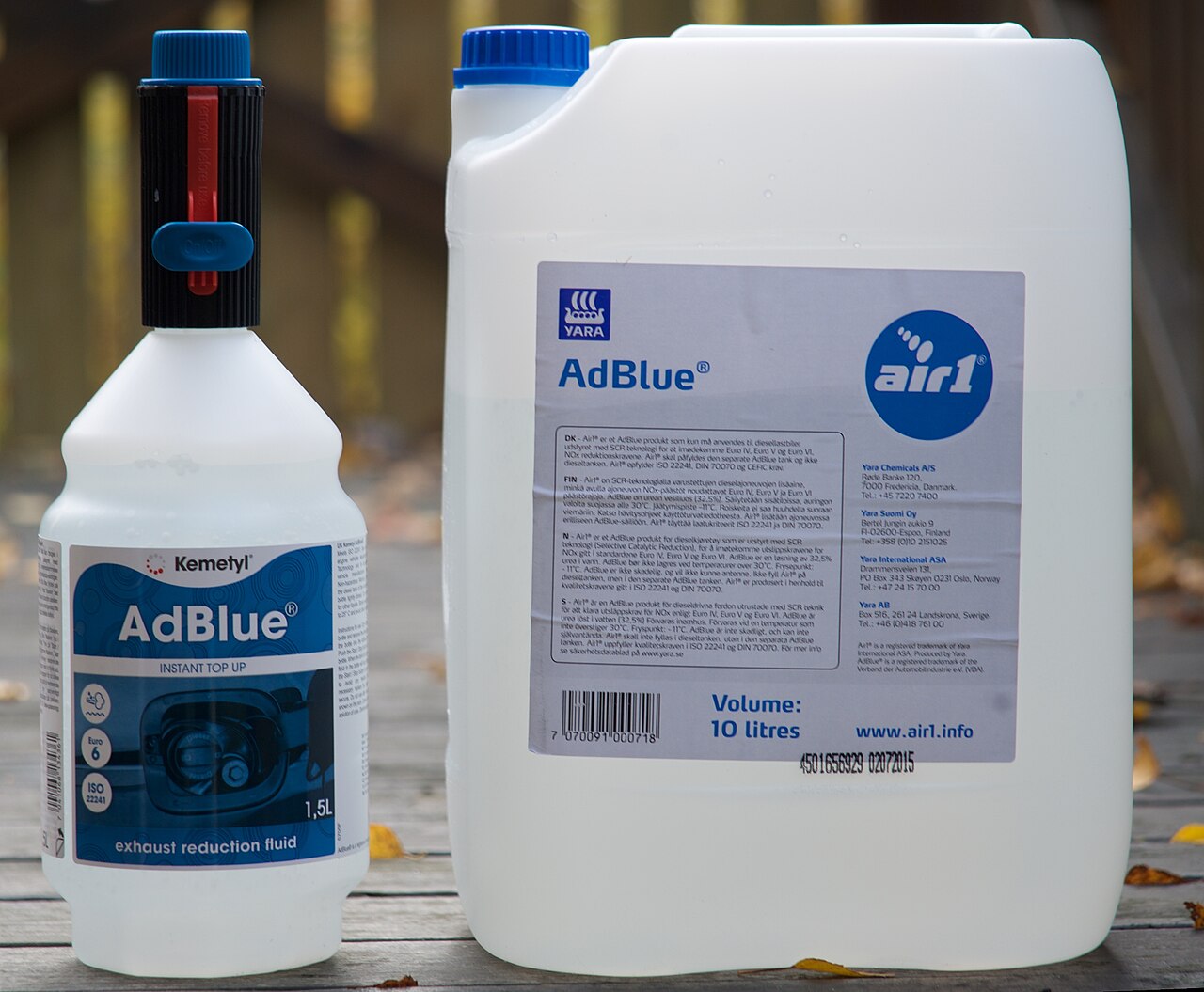
Owners of heavy-duty tractors with selective catalytic reduction (SCR) emissions systems are getting days instead of hours to fix an emissions fault before the machine loses power, Manitoba Co-operator reports. The change follows guidance issued by the US Environmental Protection Agency in 2025 to cut downtime for farmers, especially in busy seasons, and Canada is following suit.
SCR systems inject diesel exhaust fluid (DEF) into the exhaust stream to reduce emissions. Until now, an operator had four hours after an inducement, triggered by a fault such as low DEF or a failed sensor, before the tractor was slowed to as little as eight kilometres an hour. Under the new guidance, delivered through a manufacturer's software update, torque is cut by 25% after 36 hours of operation past the fault and by 50% after the final 100 hours.
The guidance applies retroactively to existing non-road heavy-duty diesel engines on chassis-certified vehicles, which in farming generally means tractors; for new engines it covers model years 2025 and 2026, with separate federal rules from 2027. It is not a law, but CNH, John Deere and AGCO have said they will comply. CNH began issuing updates in the fourth quarter, and John Deere plans to deploy nearly 80% of its updates by the end of 2026 and the rest during 2027.
"Customers have been clear: they need solutions that help them stay productive, especially during seasonally critical windows," said Scott Harris, CNH's president for North America. CNH said the guidance does not change emissions requirements, only the timing of inducements, and that its updates will be available to Canadian owners of eligible equipment.
Environment and Climate Change Canada said it has determined that the EPA's DEF guidance is applicable in Canada as long as the EPA certificates remain valid, and that the finalised US rule will apply in Canada without regulatory amendments. The report is by Jeff Melchior.
Photo: Lenborje / Wikimedia Commons (CC BY-SA 4.0)
Source: Manitoba Co-operator



Comments
(0)