
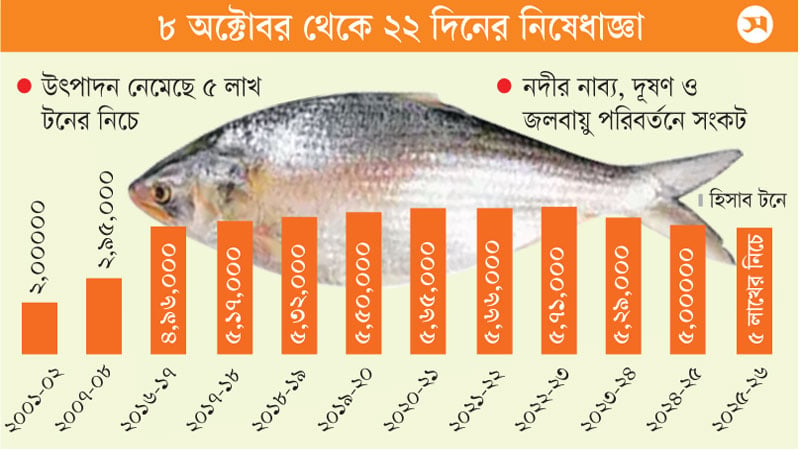
Hilsa landings in Bangladesh keep falling. The Department of Fisheries puts the July-August catch of the current 2026-27 financial year 30 to 40 per cent below the same period last year. Production for 2025-26 has not been finalised, but the department says it has dropped below 500,000 tonnes. This season therefore closes a third consecutive year of decline.
Departmental figures show hilsa production peaked at 571,000 tonnes in 2022-23. It fell to 529,000 tonnes in 2023-24 and to about 500,000 tonnes in 2024-25.
Output had risen steadily for nearly two decades before that. Production was around 200,000 tonnes in 2001-02 and 295,000 tonnes in 2007-08. By 2016-17 it reached 496,000 tonnes, and the following year crossed half a million for the first time at 517,000 tonnes, climbing to 566,000 tonnes by 2021-22.
Researchers are uneasy. They point to falling navigability in rivers and estuaries, reduced flows, pollution, overfishing, the use of small-mesh nets and the effects of climate change, which together disrupt the fish's breeding and migration. Anisur Rahman, a former director of the Bangladesh Fisheries Research Institute, said: "I have researched hilsa for 33 years. But I have never been this worried about the current fall in production." Alongside natural causes, he blames overfishing and the catching of juvenile hilsa.
To protect breeding, a nationwide 22-day ban on catching hilsa will run from 8 to 29 October. Transport, storage, marketing, sale, purchase and exchange of hilsa are barred during that period. The decision was taken on Tuesday at a meeting of the national task force committee on hilsa resource development at the Secretariat, chaired by Mohammad Aminur Rashid, minister for fisheries, livestock and agriculture.
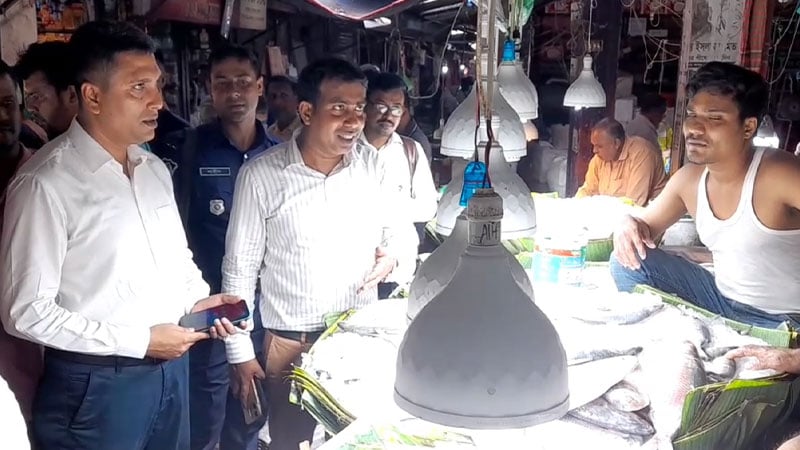
Fishermen who stay off the water during the ban will receive VGF food support. The minister said there would be no concession where protecting brood hilsa is concerned, with surveillance and drives stepped up in the main breeding areas including Barishal, Chandpur and Bhola, and closer watch on ice mills, arats and markets to stop illegally caught hilsa reaching the market.
State minister for fisheries and livestock Sultan Salauddin Tuku said research must establish why production is falling. That the country now has to import hilsa because output has dropped, he said, is itself a matter of concern.
Source: Samakal (staff correspondent)
Comments
(0)