
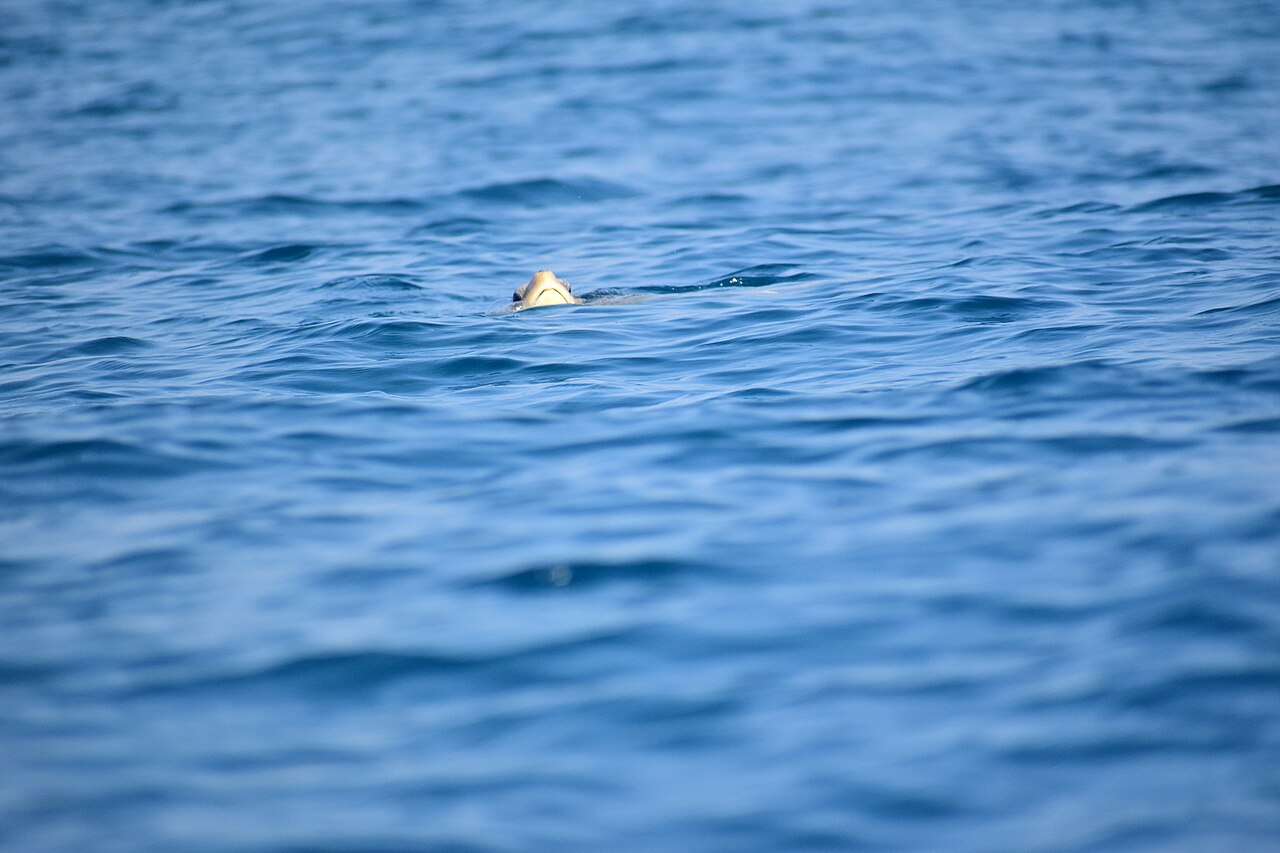
Odisha's forest department began its annual seven-month fishing ban off the state's olive ridley turtle nesting grounds on 1 November; it stays in force until 31 May 2027, Down To Earth reports. The turtles arrive in coastal waters around November to mate, and females come ashore to lay eggs, usually in March, at Gahirmatha beach in Kendrapara district and Rushikulya beach in Ganjam district.
Gahirmatha was declared a marine sanctuary in 1997. Fishing is banned within 20 km of the coast in the sanctuary, which covers 1,435 square km of sea between Hukitola and Dhamara and was marked out with 14 buoys in 2023. In 2025 an estimated 606,933 turtles nested there between 5 and 10 March, but in 2026 the mass nesting, called an arribada, did not happen on Odisha's coast.
Chitrasen Jena, the sanctuary's forest range officer, said the missed arribada was natural and did not by itself show a falling population, noting that none took place in 1982, 1988, 1997 and 2002. He named untimely rain and erosion of nesting sites among the causes. The department has set up 14 turtle protection camps, four of them on the offshore islands of Madali, Sasanipada, Ekakula and Babubali, and put four patrol boats on the water, with marine police and the coastguard helping.
Odisha hosts an estimated 50% of the world's olive ridleys and about 90% of India's. Trawlers there must fit turtle excluder devices (TEDs), a grid in the net that lets shrimp through but steers turtles to an escape opening. In October the Marine Products Export Development Authority (MPEDA) gave 1,200 TEDs free to trawler owners in the state.
The devices matter to the fishing economy. Since 2019 the United States has barred wild-caught shrimp from India under Section 609 of its Public Law 101-162, which admits shrimp only from countries certified as protecting sea turtles. MPEDA puts the cost to India at about Rs 4,500 crore (US$550 million). Wild-caught shrimp exports fell from 153,286 tonnes in 2018-19 to 65,882 tonnes in 2023-24, and the average export value dropped from $9.87 a kg in the US market in 2018-19 to $5.26 a kg overall in 2023-24.
Landing prices for black tiger, white, flower, karikadi and poovalan shrimp have fallen by Rs 100-200 a kg since the restrictions, said Subhrakanta Mohapatra, MPEDA's state co-ordinator in Bhubaneswar. Each TED costs Rs 28,000 and was bought with Pradhan Mantri Matsya Sampada Yojana funds. Many fishers fear the devices cut their catch by 10-20%, he said, but MPEDA's trials show a loss of only 1-5%. The report is by Ashis Senapati.
Photo: Nandita Madhu / Wikimedia Commons (CC BY-SA 4.0)
Source: Down To Earth

Comments
(0)