
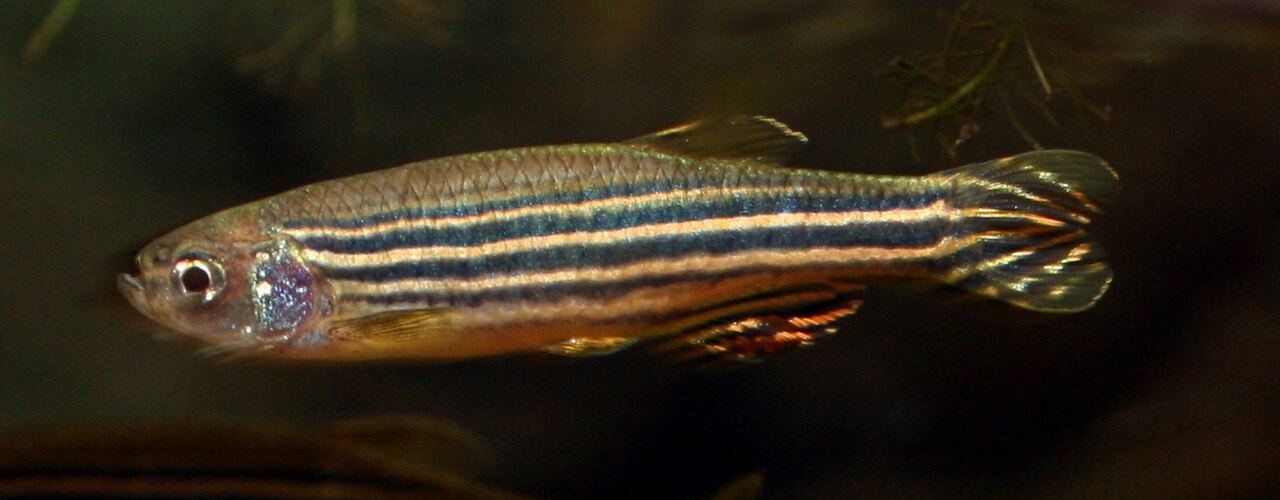
Three native fish species could control mosquito larvae far better than the imported guppy, laboratory tests in Bangladesh suggest. Napit khoira, zebrafish and blue panchax ate more larvae in both clean and polluted drain water, including the larvae of the dengue-carrying Aedes mosquito.
The study was carried out by Jahangirnagar University entomologist Professor Kabirul Bashar, his student Farhan Chowdhury and other researchers. Larvae collected from drains in Savar were used in laboratory and semi-field tests: each fish was kept in its own container and given 100 third-stage Culex larvae, and the survivors were counted after 24 hours.
In clean water napit khoira ate an average of 94.5 larvae and in polluted water 93.75. Zebrafish ate 87 and 86.25, blue panchax 80.75 and 78.75. The guppy ate 56.5 and 61.5. Professor Bashar told Prothom Alo that when fed Aedes larvae, all three native fish ate 93 to 94 percent of them.
Offered other food as well, such as tubifex worms and artificial fish feed, the three native fish still preferred the larvae; the guppy showed no clear preference. In a 10-day test in polluted water all four species survived but became somewhat sluggish, so the researchers do not treat this as proof of long-term tolerance.
The study names napit khoira as the most promising species. A 2022 effort to release guppies in Dhaka North City Corporation did not work well, according to those involved, and using native species could also reduce the risk of an imported fish spreading through local waters.
Releasing fish will not on its own solve the mosquito problem, the report says: whether fish can reach the places where larvae live, how long they survive and how they breed must be tested in the field, as part of integrated control alongside insecticides and removing breeding sites. By the Directorate General of Health Services' count, 133,367 people had been admitted to hospital with dengue this year up to 30 October, and 418 had died.
Reporting: Partha Shankar Saha, Prothom Alo.
Photo: Soulkeeper / Wikimedia Commons (Public domain)
Source: Prothom Alo



Comments
(0)