
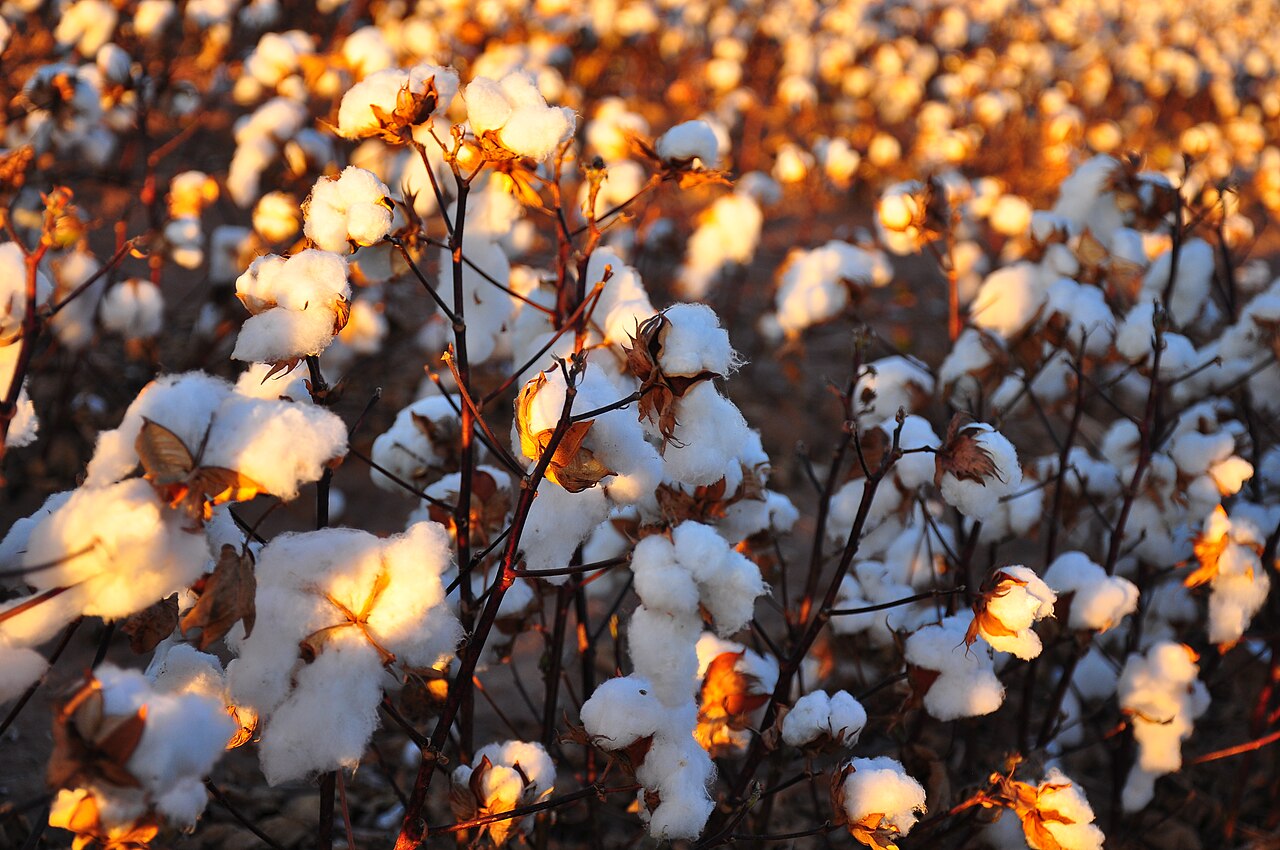
Tariff costs are moving through the global apparel supply chain in ways that could change where textiles are sourced and, in the end, where cotton is in demand, according to trade analyst Robert Antoshak of Gherzi Americas, speaking to All Ag News.
Antoshak says US importers formally pay the tariffs at the border, but buyers often press overseas suppliers for lower factory prices to win back part of the cost. Shoppers can still face higher retail prices even when foreign manufacturers absorb some of the tariff.
How sourcing responds matters for cotton. Antoshak says apparel orders are shifting among Asian suppliers such as Bangladesh, Vietnam, Cambodia and Indonesia, rather than returning in any broad way to factories in the United States. That keeps textile demand concentrated overseas.
He also warns that discounts factories grant because of tariffs can become built into future prices, even if importers later receive tariff refunds. Suppliers may have little leverage to win those concessions back once they are part of the base price.
For US cotton growers, the bigger question is where textile production finally settles, because mill activity drives demand for raw fibre in world markets. For garment-exporting countries such as Bangladesh, the same shifts decide where orders, and the price pressure that comes with them, land.
The story was reported by Tony St. James.
Photo: Kimberly Vardeman / Wikimedia Commons (CC BY 2.0)
Source: All Ag News



Comments
(0)