
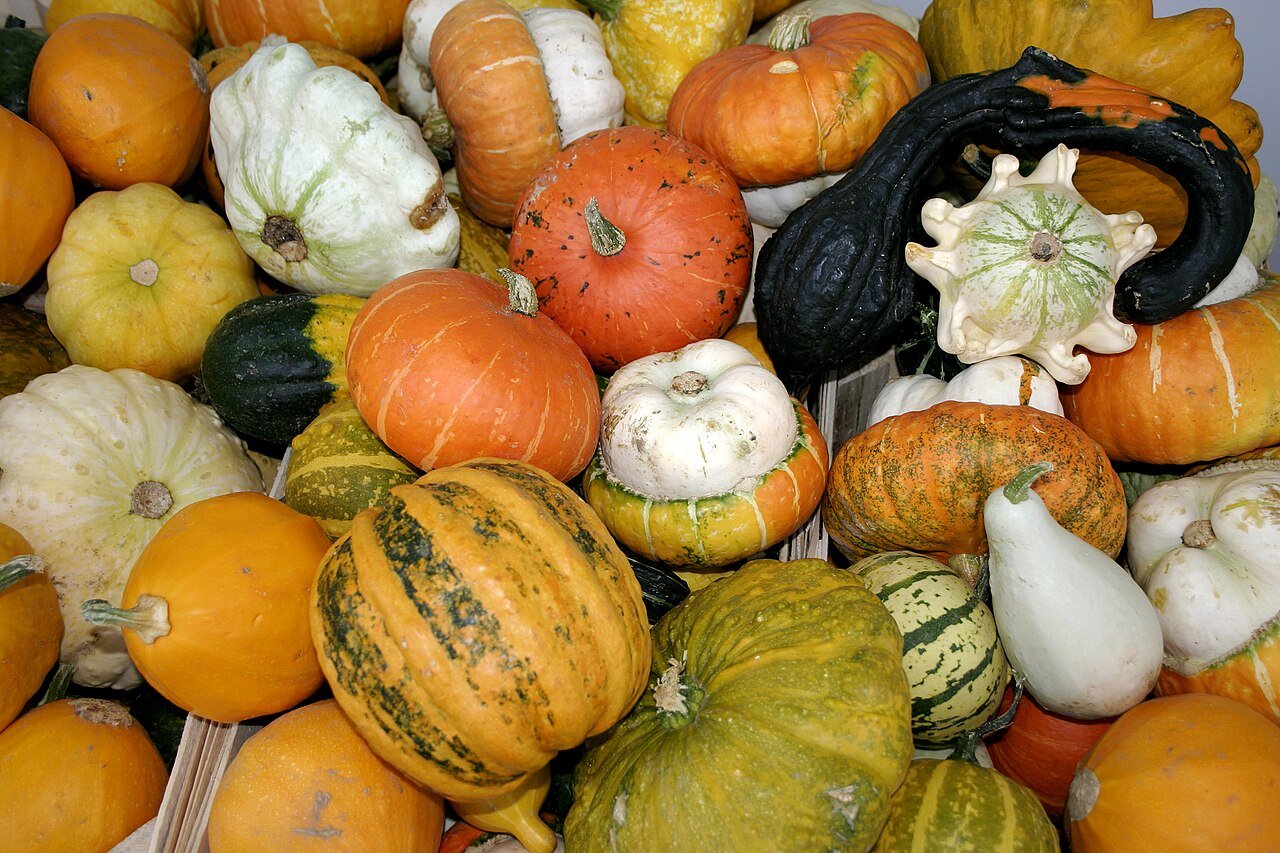
Butters Farms, east of St. Thomas in Ontario, has found an unusually profitable niche: ornamental pumpkins and gourds bought to decorate homes, businesses and event spaces in autumn. They make up only about 10% of the farm's production but bring in roughly 50% of its revenue.
Farms.com presents the farm as an example of a wider trend in Canadian agriculture, in which producers use diversification, direct marketing and agritourism to capture more of what consumers spend. Input costs for fertiliser, fuel, machinery, labour and insurance remain high, and weather risks are growing, so many farmers are looking for income that does not depend on volatile commodity markets.
Unlike field crops sold into world markets, decorative pumpkins and gourds can command premium prices and be sold directly to consumers, garden centres, retailers, decorators and farm visitors.
Ontario leads Canadian pumpkin production. Statistics Canada data show the province harvested 9,431 acres of pumpkins in 2022, about 76.4% of the national pumpkin area, and more than 73,600 tonnes of pumpkins were harvested across Canada that year. Norfolk County, with favourable soils, a long growing season and an established vegetable industry, grows a large share of the national crop.
Autumn farm experiences add to the opportunity. Pumpkin patches, corn mazes, farm markets, wagon rides and harvest festivals draw both rural and city visitors. Research from Agritourism Ontario puts the sector's annual economic output at about $633 million, its contribution to provincial GDP at $313 million and the jobs it supports at more than 8,700.
Ornamental crops will not suit every farm, but the Butters Farms numbers show how a small area of a high-value crop, sold close to the customer, can carry a large part of a farm's income.
Photo: Nino Barbieri / Wikimedia Commons (CC BY-SA 2.5)
Source: Farms.com
Comments
(0)