

Farmers in Tarash, Ullapara and neighbouring upazilas of Chalan Beel are relying more and more on chemical pesticides against pests and diseases in rice and other crops. There are also complaints of spraying more than needed or too often, raising fears for soil health and the environment, Krishi Shomoy reports.
Farmers say that even several times more pesticide than before often fails to control pests. Ashraful of Lauta village in Tarash said one spray used to be enough; now even three do not stop stem borer and other insects. Snakes, frogs, birds and other useful creatures are no longer seen in the fields as before, he said, but farmers spray anyway to save their rice.
Shafiqul Islam of Uttar Shyampur said he has to use more fertiliser every year, while fertiliser is both scarce and expensive. Razzak of Tarotia village said he applied two maunds of fertiliser a bigha last year and has applied about one and a half so far this season, with more to come. He has sprayed three times against stem borer and expects to spray again.
Agricultural specialists say unplanned pesticide use destroys beneficial soil microbes and upsets the environmental balance, and as pesticides lose effect farmers spend more to spray more. To keep land productive in the long run, they say, there is no alternative to protecting soil health, using more organic fertiliser, rotating crops and integrated pest management.
Tarash upazila agriculture officer Sharmistha Sen Gupta said excessive pesticide can harm soil health, beneficial microbes and the environment, so pesticides must be used safely and correctly. She advised farmers to follow integrated pest management (IPM), use organic fertiliser and protect soil health, and to consult the agriculture department's field staff before spraying.
Reporting: Chalan Beel correspondent, Krishi Shomoy
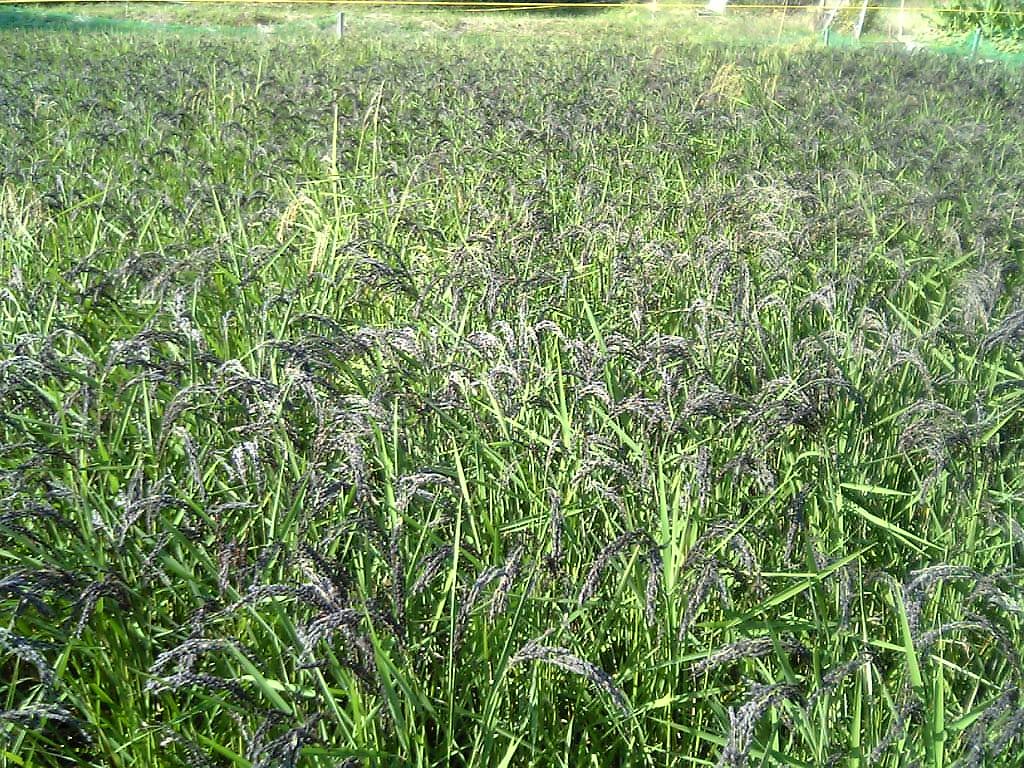
Photo: Shahnoor Habib Munmun / Wikimedia Commons (CC BY 3.0)
Source: Krishi Shomoy


Comments
(0)